#manufacturing-revitalization
#manufacturing-revitalization
[ follow ]
#electric-vehicles #manufacturing #automotive-industry #automation #ford #ai #robotics #blue-collar-jobs

#ai

fromFortune
2 weeks agoSilicon Valley
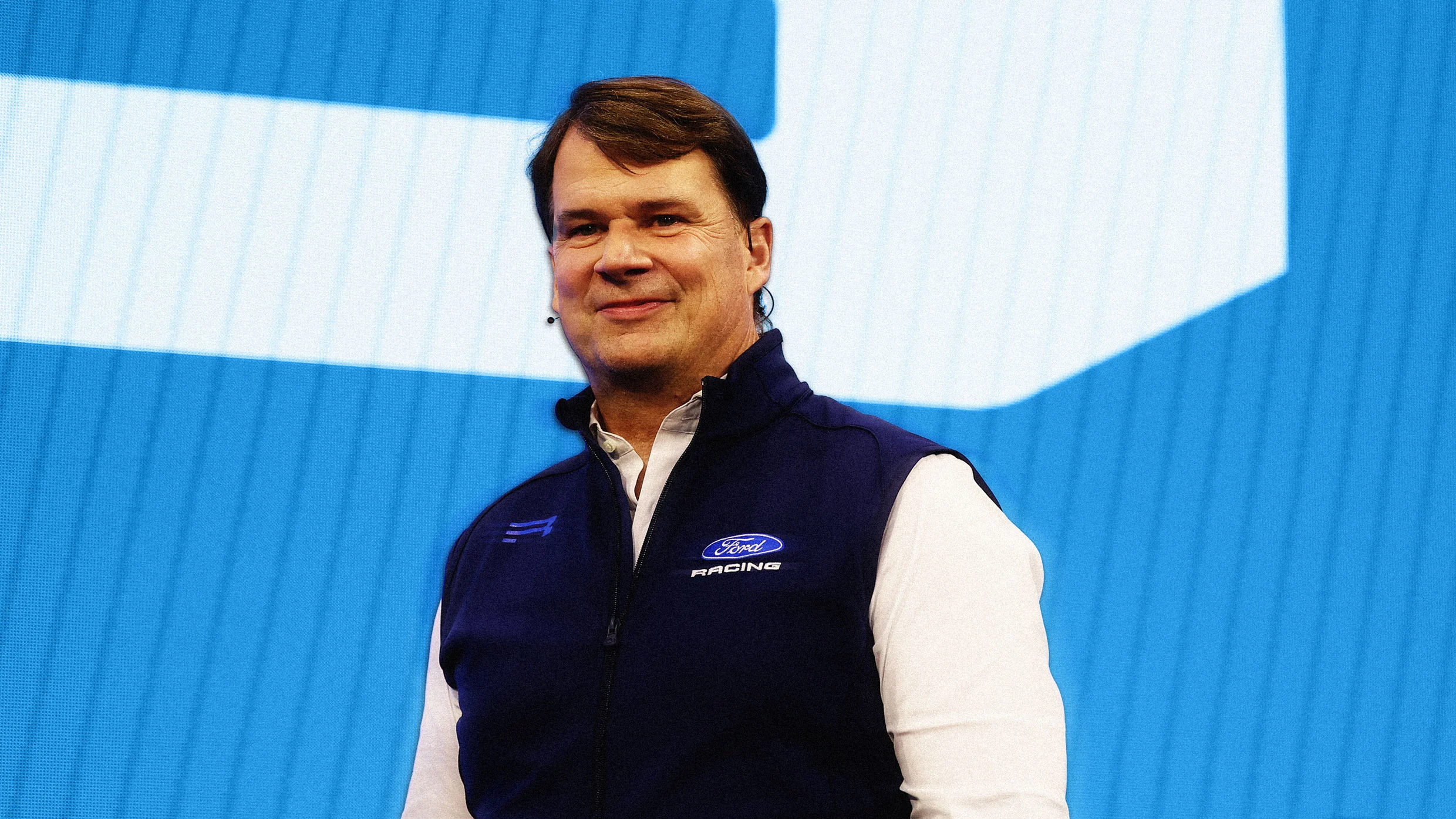
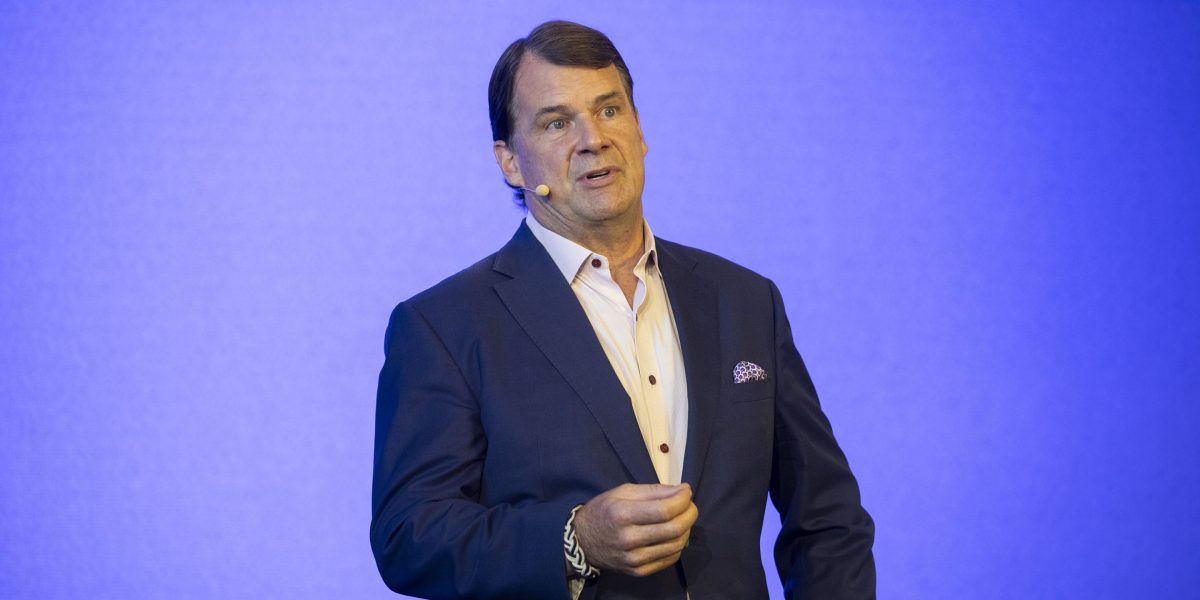
Ford's Jim Farley has been warning that America's ignoring the 'essential economy' while AI eats jobs. Goldman Sachs has the receipts | Fortune
America's AI growth may be hindered by a shortage of skilled blue-collar workers, not by a lack of capital or technology.
Silicon Valley
fromFortune
2 weeks agoFord's Jim Farley has been warning that America's ignoring the 'essential economy' while AI eats jobs. Goldman Sachs has the receipts | Fortune
America's AI growth may be hindered by a shortage of skilled blue-collar workers, not by a lack of capital or technology.

fromBusline News
2 days agoTEMSA North America Expands Operations With New Facility In Orlando To Support Growing Market Demand - Busline News
"Today, more than 2,500 TEMSA motorcoaches are actively transporting passengers across North America, reflecting the brand's increasing market penetration and strong customer confidence."
Miami food


European startups
fromFortune
5 days ago'People are trying to be creative': Tariff-battered American companies are so cash-starved they are using refund claims as collateral for loans. | Fortune
The Supreme Court's ruling on tariffs may lead to $166 billion in refunds for U.S. importers, but many companies face financial struggles.

Business
fromFortune
2 weeks agoA CEO trying to reindustrialize America says blue-collar pay is headed for 'massive hyperinflation' and kids should skip college to become welders | Fortune
The knowledge economy is declining due to AI, increasing demand for blue-collar jobs and potentially higher salaries.
fromFortune
3 weeks agoThis AI-proof career faces a 250,000-worker shortage-now the Trump administration is trying to revive the job millennials abandoned | Fortune
"This is absolutely a rare window for young workers because the demand is real, funded, and seemingly long-term," Fraser Patterson, CEO of Skillit, stated. "These are not speculative jobs. They are tied to multi-decade investment cycles, and they offer a path to strong earnings, skill development, and stability without requiring a traditional four-year degree."
Business
Intellectual property law
fromPatently-O
1 month agoMade in America: Director Squires Ties IPR Institution to Domestic Manufacturing
The USPTO Director introduced three discretionary factors for IPR and PGR decisions prioritizing U.S. manufacturing and small business status, mirroring the ITC's domestic industry requirement for patent relief.
Alternative transportation
fromStreetsblog USA
2 weeks agoTrump's 'Freedom Means Affordable Cars' Rings Hollow As Gas Prices Surge - Streetsblog USA
Rising gas prices challenge the Trump administration's oil consumption strategy and highlight the need for better mobility alternatives in American cities.
fromwww.npr.org
1 month agoTrump wants more apprenticeships. An Arkansas manufacturer is giving it a try
Caleb Moss's workday starts early on Tuesdays and Thursdays, before the sun comes up. At 4:30 a.m., he reports to his post in tool and die at Virco Manufacturing. Under the guidance of a mentor, he turns steel into high-precision tools and molds used throughout the plant. At 9:00 a.m., Moss leaves the plant and heads to Pulaski Technical College in North Little Rock, Ark., for a full day of instruction, beginning with math class and moving on to hands-on training on machines similar to those Moss uses on the job.
Miscellaneous
US Elections
fromFast Company
1 month agoHow this Trump supporter's manufacturing business is getting crushed by the president's tariffs
Trump's tariffs intended to help American manufacturing are instead harming factories by raising production costs, causing job losses and business closures despite initial supporter expectations.
Artificial intelligence
from24/7 Wall St.
4 weeks agoAI Might Be Coming for BlueCollar Work-And These Robotics Stocks Still Look Wildly Underestimated
White-collar jobs face near-term AI automation risk, while blue-collar roles may follow as physical AI and robotics advance, creating uncertainty across employment sectors.
fromHoodline
1 month agoMilwaukee Job Market Shifts As Hybrid Roles Rise
Roughly one in four new openings around Milwaukee now advertise some version of hybrid work, while most roles still expect people in the office full time. The split is rippling through downtown, where vacancy rates remain stubbornly high and landlords are rethinking how to fill all that space.
Remote teams
#humanoid-robots
Artificial intelligence
fromFuturism
1 month agoFactory Paying Human Worker to Watch Robot Worker All Day
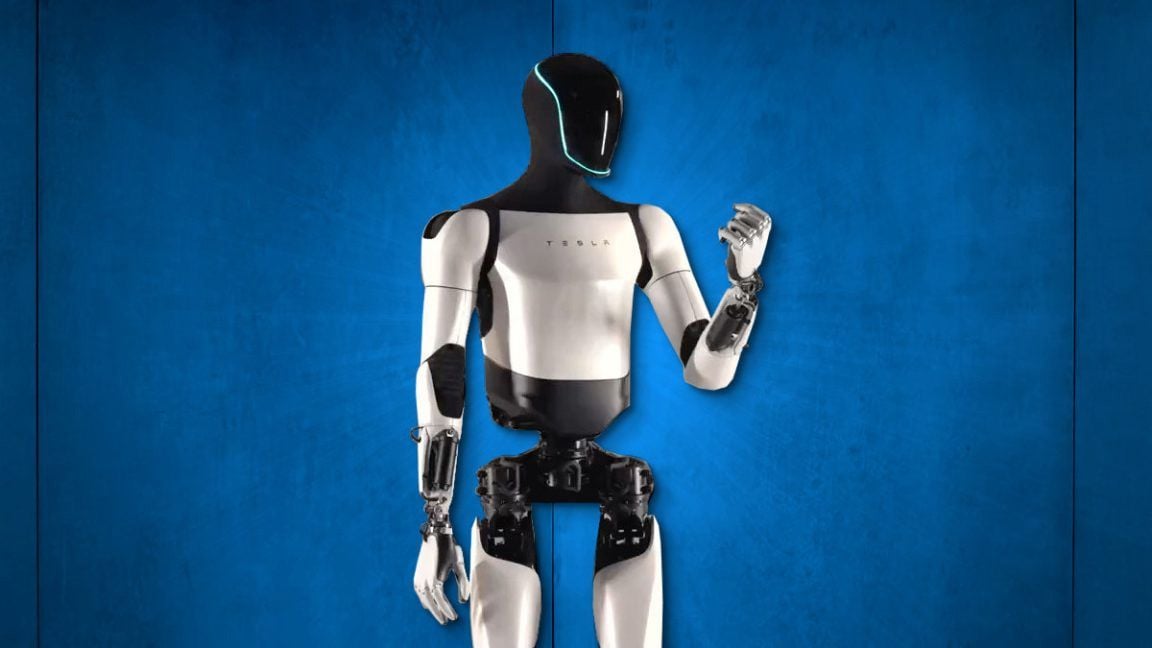
Humanoid robots like Digit are being deployed in factories with human supervisors, with costs expected to drop from $10-$25 per hour to $2-$3 per hour, potentially displacing workers earning $20 per hour.
Artificial intelligence
fromComputerWeekly.com
1 month agoLab for autonomous agents to drive boost in manufacturing in India | Computer Weekly
IBM Research launches Emergence India Labs to develop autonomous systems for manufacturing, logistics, and infrastructure, positioning India as a frontier AI research hub beyond traditional IT services.
Startup companies
fromBusiness Insider
1 month agoHow robotics could upend the US manufacturing industry
Machina Labs promotes distributed, flexible, portable robotics-enabled manufacturing to leapfrog centralized factories and accelerate U.S. reindustrialization in defense, aerospace, and automotive sectors.
fromIPWatchdog.com | Patents & Intellectual Property Law
1 year agoMaking Licensing Harder Doesn't Boost U.S. Manufacturing
While it's appropriate to lament the lack of bipartisan cooperation in Washington, just because something's bipartisan doesn't mean it's a good idea. Exhibit A could be Senator Tammy Baldwin (D-WI) and Senator J.D. Vance's (R-OH) "Invent It Here, Make It Here" bill. Despite the name and its good intentions, it condemns promising federally funded inventions to waste away without doing a thing to build our domestic manufacturing base. It's scheduled to be considered this Thursday in the Senate Commerce, Science and Transportation Committee.
US politics
fromwww.cbc.ca
2 months agoAuto production by Detroit Three declines in Canada as Japanese automakers lead the way, report says | CBC News
As the Detroit Three automakers have made fewer cars in Canada over the past decade, Japanese car makers have kept their Canadian footprint consistent, according to a new report. The findings by the Trillium Network for Advanced Manufacturing, a non-profit think-tank at Western University that analyzes manufacturing in Ontario, show a decline in the overall number of cars made in Canada compared to a decade ago. In 2016, 2.3 million cars were assembled in the country; by 2025, that figure fell to 1.2 million.
Canada news
fromFuturism
1 month agoYou'll Choke When You Hear How Many Full-Time Jobs a $136 Million Data Center Will Actually Create
The Ark project was one of eight developments rewarded with a multimillion-dollar tax break by the Ohio Tax Credit Authority - not on its own initiative, but on the recommendation of JobsOhio, an economic development nonprofit in the state. The data center company's tax break was the largest of the eight, according to Cleveland.com, and constitutes a ten-year sales exemption at 50 percent, mostly covering newly purchased equipment.
Business intelligence
fromwww.theguardian.com
1 month agoWorkers decry Whirlpool's job cuts amid offshoring, praise of Trump's tariffs
Whirlpool began cutting production lines from the plant and moving those to Mexico several years ago. Now we're seeing that they're making our product in Mexico. The number of workers at the plant has declined from nearly 3,000 just a few years ago to close to 1,300, and more cuts are likely.
US politics
Cars
from24/7 Wall St.
1 month agoStellantis, Oshkosh, and Mastercraft: 3 Vehicle Manufacturers Worth Watching
Three vehicle manufacturers show vastly different financial health, with Stellantis in crisis from aggressive EV betting, Oshkosh facing challenges, and a third company performing strongest based on earnings, revenue growth, margins, guidance, and overall financial metrics.
UK politics
fromLondon Business News | Londonlovesbusiness.com
2 months agoManufacturers seeing light at the end of the tunnel - London Business News | Londonlovesbusiness.com
UK manufacturing shows improving PMI momentum but remains constrained by geopolitical uncertainty, rising costs, labour pressures, and the need for policy stability to enable investment.
fromFortune
1 month agoDetroit automakers ask White House to be spared from new tariffs | Fortune
Automakers are facing billions of dollars in additional costs from Trump's tariffs, particularly those levied on imported autos and car parts. Those tariffs, as well as levies targeting steel and aluminum, were implemented under a law that gives the president authority to impose import taxes on national security grounds. The duties were unaffected by the Supreme Court's ruling that struck down Trump's broader import taxes imposed on many countries.
US politics
from24/7 Wall St.
2 months agoThe F-150 Saved Ford
While Ford ( NYSE: F) was eating through billions of dollars in an attempt to gain a large market share in the US EV market and its EU and China units stagnated, its best-selling, and likely most profitable vehicle, the F-150, continued its gargantuan unit sales. The F-150 is part of the F-Series of full-size pickup trucks. Last year, unit sales of these in the US reached 828,832, up 8.3%.
Cars
fromBusiness Insider
2 months agoThe roaring revival of the V8 engine
The American automotive landscape is changing after a period that saw tighter emissions rules push automakers toward more efficient, quieter powertrains and prompted shifts away from big V8 engines. But many of those regulations, including the federal EV incentives, have fallen away, leading automakers that once promised to discontinue the gas-hungry engines to reinvest in V8 offerings - especially in full-size trucks and performance cars.
Cars
[ Load more ]