#lara-schenk
#lara-schenk
[ follow ]
#contemporary-art #art-exhibition #art #photography #art-exhibitions #sustainability #venice-biennale #sculpture
fromKALTBLUT Magazine
20 hours agoPLATTE Feierabend - Fashion Revolution Edition with Natascha Von Hirschhausen - KALTBLUT Magazine
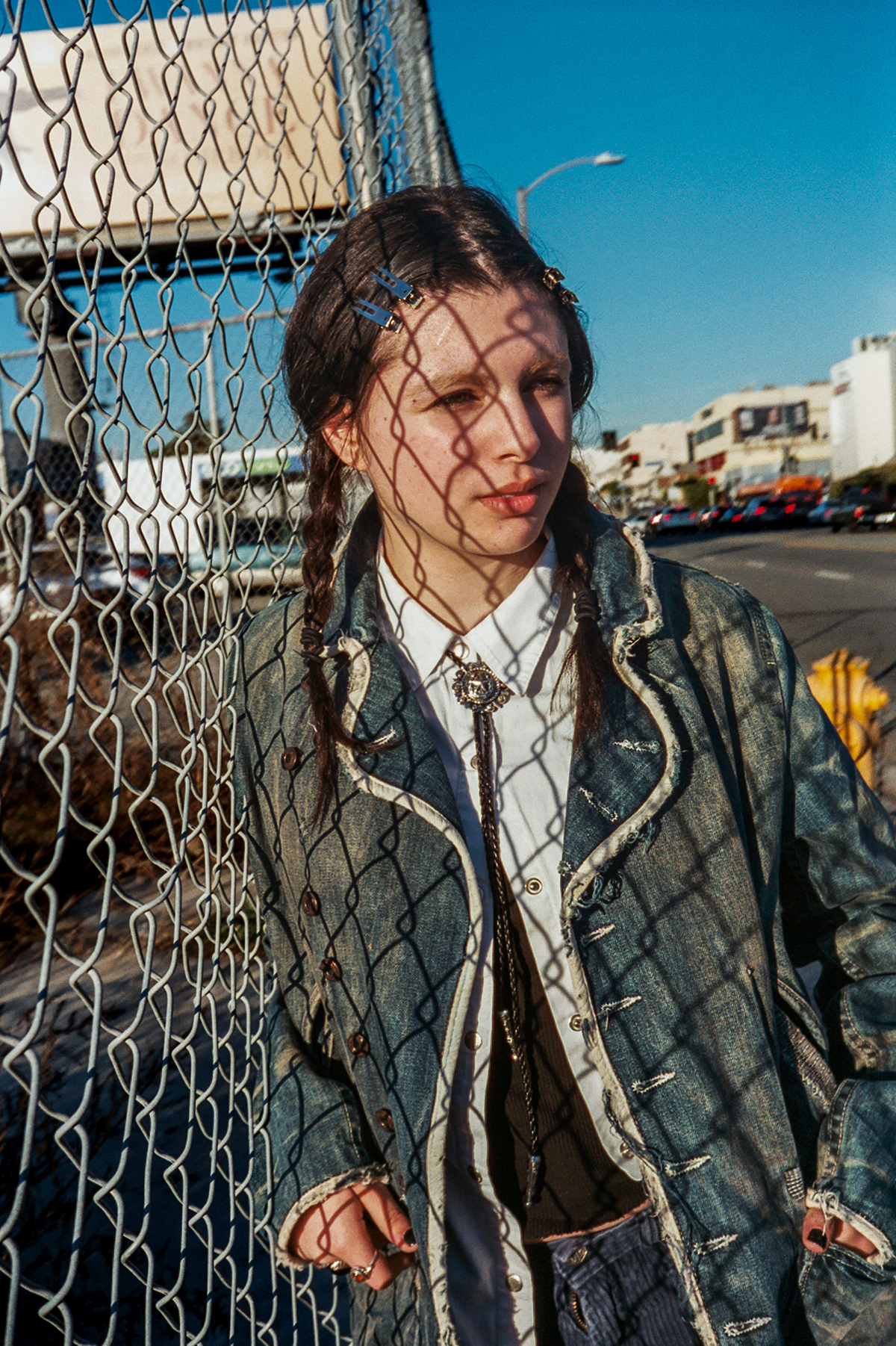
Natascha von Hirschhausen's commitment to sustainability is evident in her zero-waste concept, which reduces pattern cut-offs to less than 1% and emphasizes made-to-order production.
Fashion & style



fromdesignboom | architecture & design magazine
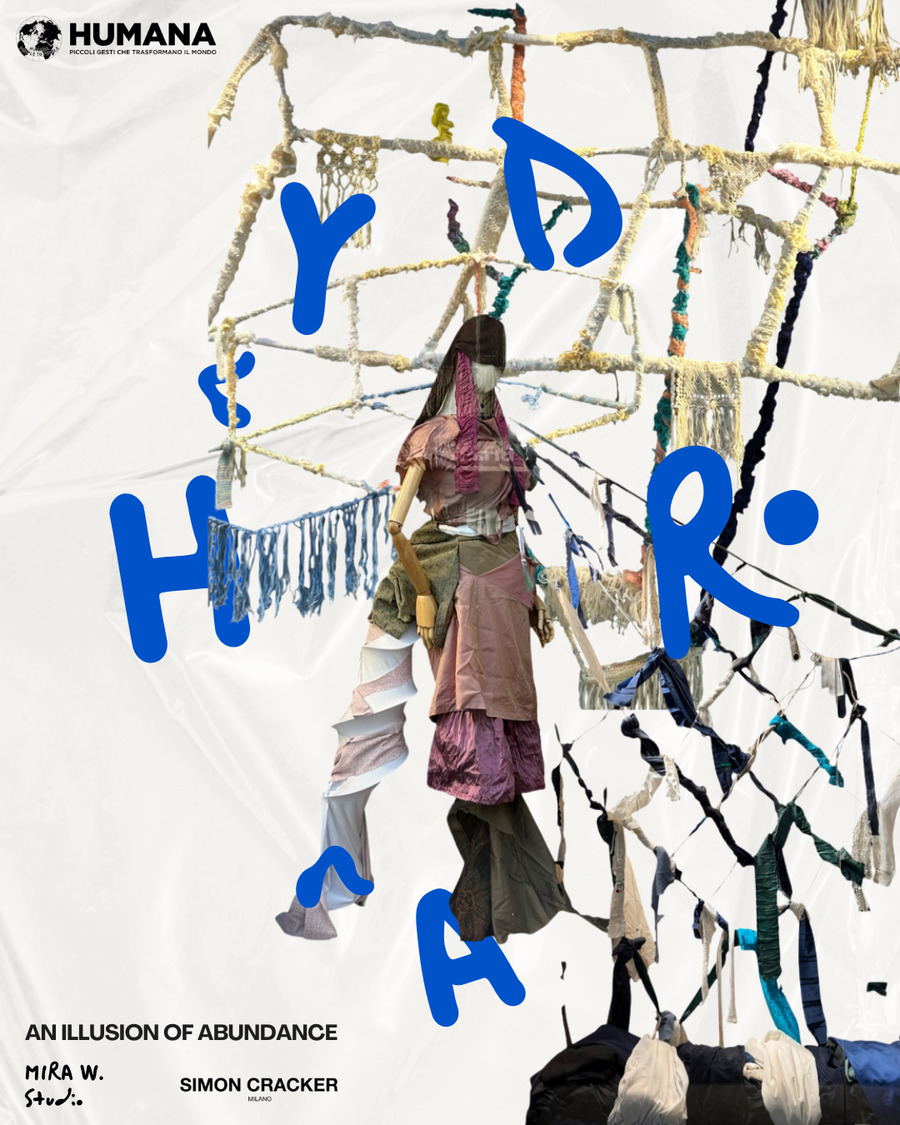
5 days agopilar zeta's sculpted portals transform public spaces into pocket dreamworlds
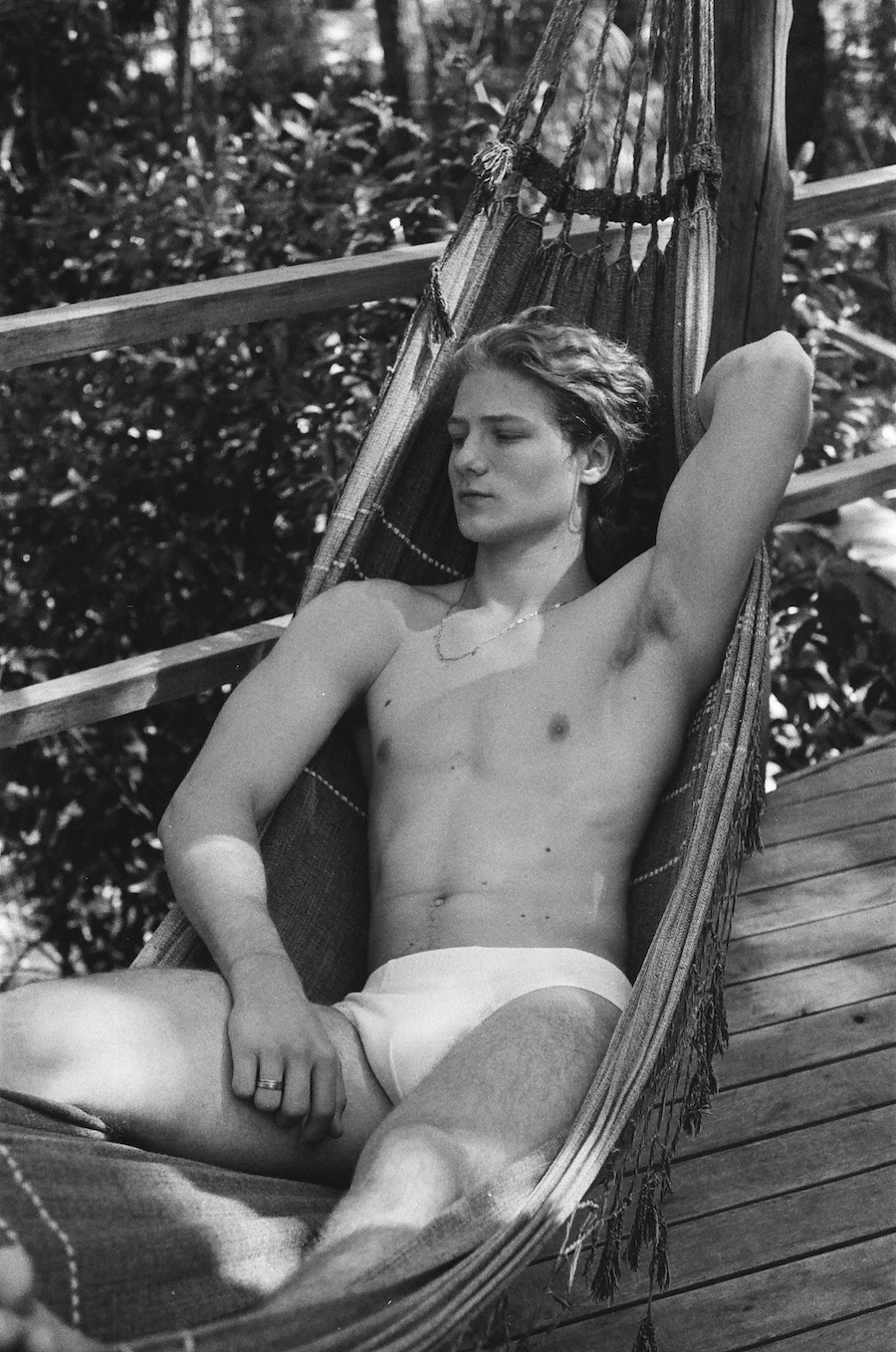
Pilar Zeta builds environments like dreams that feel like stepping into a thought mid-formation. Her sculptural works take shape in the form of portals and objects that invite direct engagement, as visitors are invited to walk through them and notice subtle shifts in perception.
Design
fromOregon ArtsWatch * Arts & Culture News
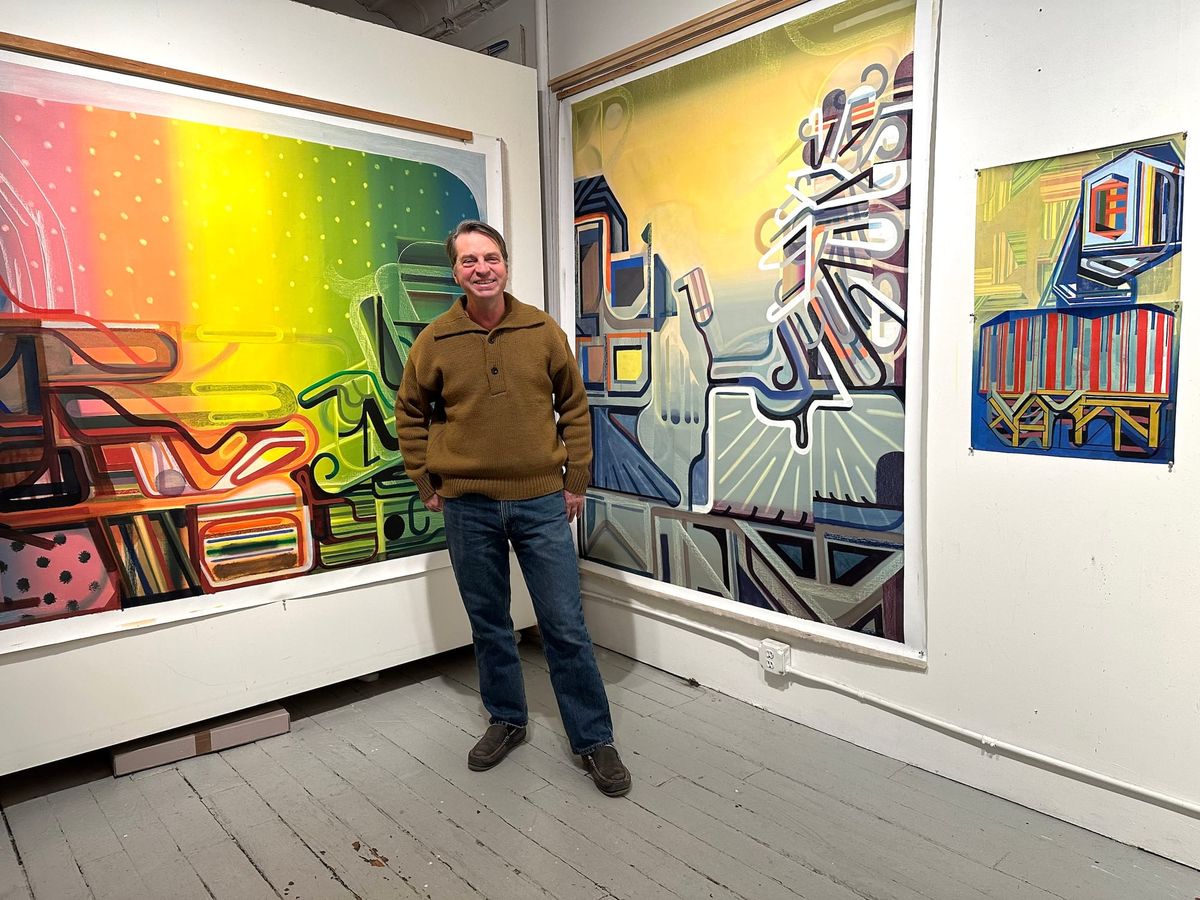
1 day agoTom Prochaska: Through the Open Door * Oregon ArtsWatch
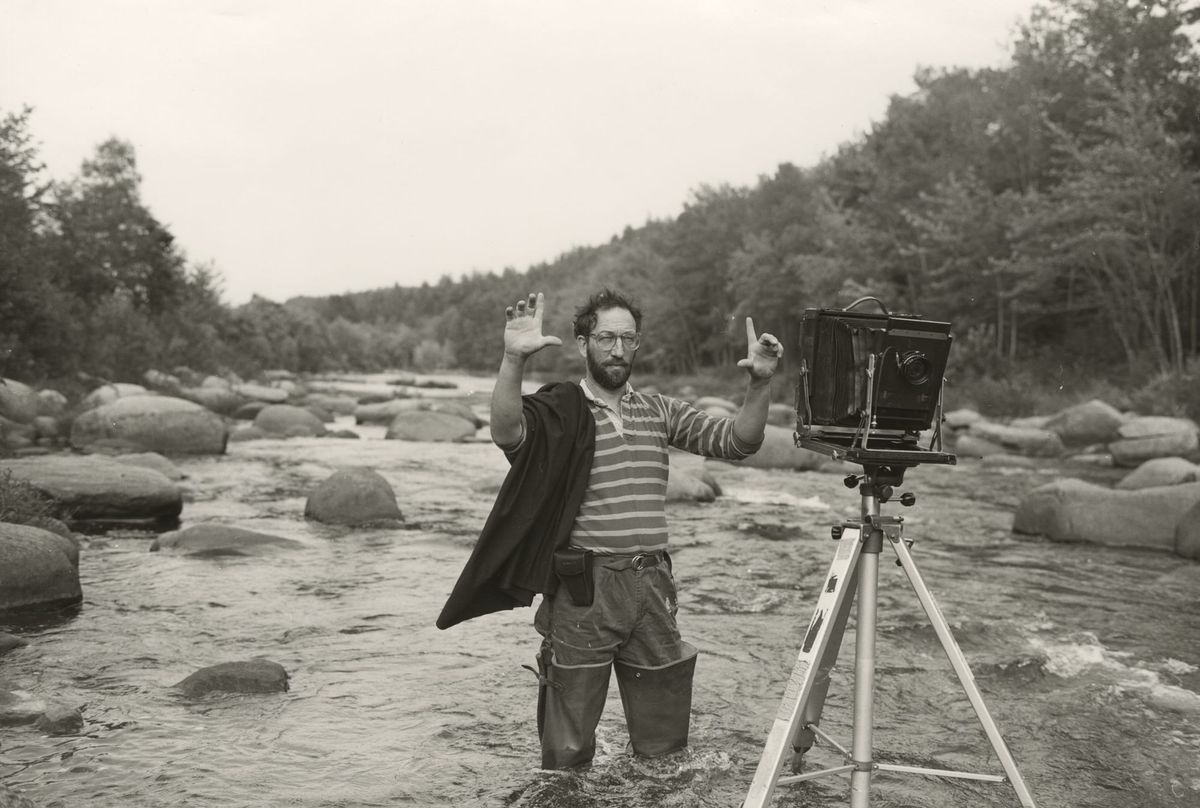
Tom Prochaska distinguished himself in many mediums: He was a masterful printmaker, an intuitive painter, a builder of papier-mâché figures, a creator of fused glass panels, and graphite-on-paper drawings.
Arts
Berlin music
fromKALTBLUT Magazine
1 day agoThomas Azier releases his most personal work to date. Exploring love, illness, and his upcoming album PANORAMA - KALTBLUT Magazine
Thomas Azier's new works reflect his personal journey through love and illness, culminating in the album 'PANORAMA' set for release in 2027.


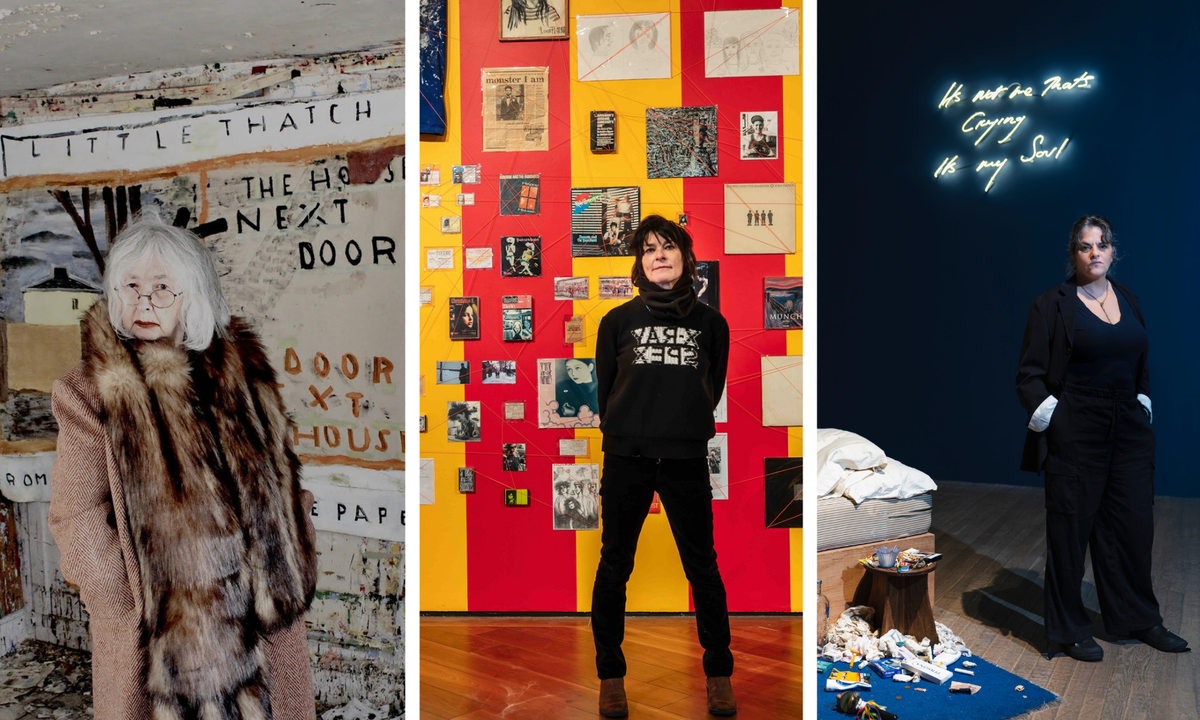

fromThe Art Newspaper - International art news and events
2 days agoArtist interview: Sarah Rosalena
I see myself first and foremost as a weaver working at the intersection of craft and technology. As an Angeleno, I grew up learning how to weave in the Wixárika tradition of my matriarchal bloodline by watching my mother and my grandmother.
Arts
fromBerlin Art Link
1 week agoAn Interview with Leila Hekmat | Berlin Art Link
The title was spontaneous, impulsive. It was inspired by Kenneth Anger. He has two films with 'Rising' in the title - 'Lucifer Rising' and 'Scorpio Rising' - and I wanted to make something in this supernatural, surreal, occultist, exaggerated, fantasy world, like his films.
Berlin music
fromArtnet News
4 days agoPainting Has Entered Its Performance Era | Artnet News
Much of Instagram's video content is organized around transformation-the virtual magic of the before-and-after and clips that show cause and effect. A person makes pasta from scratch in 20 seconds via edits that compress time-intensive labor.
Arts
Arts
fromThe Art Newspaper - International art news and events
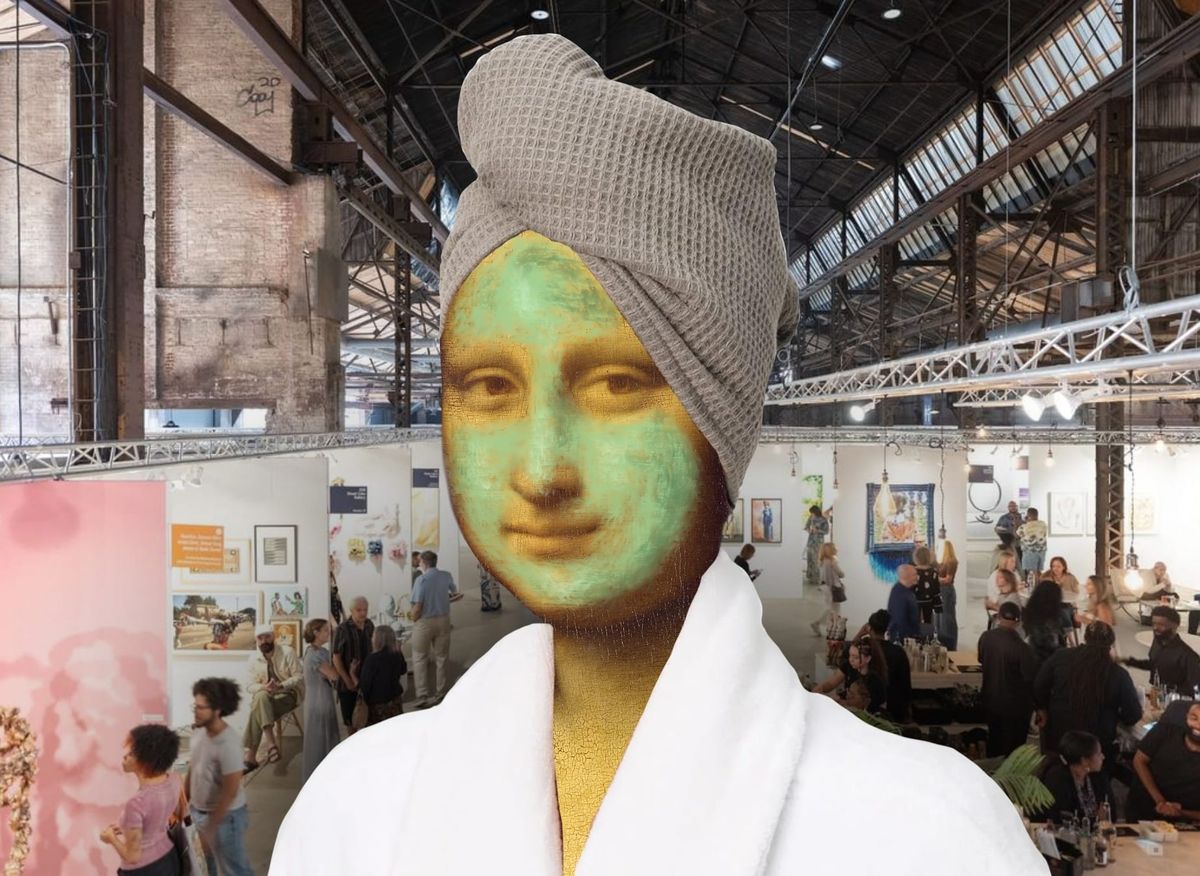
3 days ago'It was my job to create the view': US artist Liza Lou on making colourful works in her windowless warehouse
Liza Lou's artistic journey emphasizes the significance of color and materiality in her work, blending oil painting with glass beads.

Berlin music
fromKALTBLUT Magazine
1 month agoExperience the Pulse of Existence: "Urgency" by Leonis Works at Haus Der Visionare - KALTBLUT Magazine
"Urgency" is a groundbreaking multi-disciplinary dance work exploring personal experience and socio-political issues through immersive choreography that transcends traditional stage boundaries.
fromwww.theguardian.com
2 months agoIt's dedicated exclusively to female artists, from Frida Kahlo to Tracey Emin': readers' favourite unsung museums in Europe
We visited the Female Artists of the Mougins Museum, in Mougins, a small village on a hill near Cannes. Full of exclusively female artists from Berthe Morisot in the 19th century and Frida Kahlo in the early 20th to contemporary figures such as Tracey Emin it houses an incredible collection of often overlooked art and artists. We visited on a rainy October day and it was remarkably quiet and calm. I particularly enjoyed the abstract works well worth a trip up the hill.
Travel
fromKALTBLUT Magazine
1 month agoIn Conversation with Malte Bossen! A Movement Of Change. - KALTBLUT Magazine
Pornceptual challenges mainstream perceptions of pornography, reframing it as inclusive, artistic, intimate, and respectful rather than exploitative or taboo. Its events, from Berlin to international stages, bring a sex-positive, body-inclusive ethos to nightlife. Strict consent practices, no-photo policies, and spaces designed for authentic self-expression create a rare kind of freedom - one that allows visitors to explore identity, desire, and intimacy without judgment.
Berlin music
fromBOOOOOOOM!
2 weeks ago"Idling" by Artist Greta Kresse
"These paintings merge the landscape and the intimacy of windows through the framing of the car, bridging the two realms I've typically explored separately. The car becomes a meditation on transition, on existing simultaneously here and elsewhere."
Arts
fromBerlin Art Link
2 months agoStudio Visit with Myriam Jacob-Allard | Berlin Art Link
Myriam Jacob-Allard appears through a heavy door and greets us with an easy warmth, scooping us up and welcoming us into her world. We are immediately absorbed by an unexpected color-drenched stairwell. Every surface is saturated in a dense, glowing yellow that reads unmistakably as egg yolk, insulating us from the outside in as we make our ascent. We turn into a long hallway whose fragrant freshly waxed floor catches the light, reflecting it back upward so that the corridor seems to glow beneath our feet.
Photography
fromwww.kaltblut-magazine.com
2 months agoExperience the Essence of Black Creativity at Platte Berlin!
From February 17 to March 10, 2026, the vibrant intersection of fashion and art will come alive at Platte Berlin with SPOTLIGHT ON BLACK CREATIVITY. This unmissable pop-up exhibition showcases the brilliance of Black designers and visual artists, setting the stage for an extraordinary celebration of heritage and contemporary expression. Dive into a world where creativity knows no bounds, featuring groundbreaking brands such as adesa, Amaluma Studio, Gelisa George, Dinga, Azea Zalea, and GEMZ.
Fashion & style
fromArtnet News
4 weeks agoBerlin's First-Ever Art Gala Was a Love Letter to the City
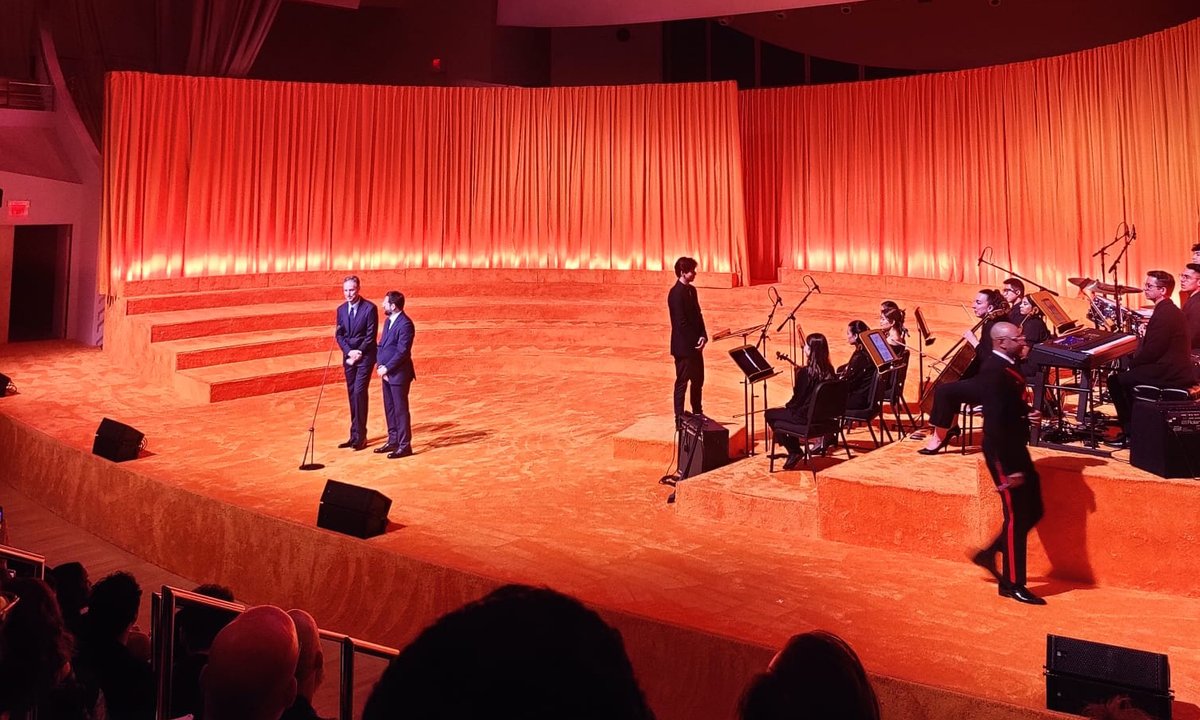
The evening, spearheaded by directors Sam Bardouil and Till Fellrath alongside patrons Monique Burger and Christine Würfel-Strauss, arrived at a fraught moment for Berlin, whose cultural scene faces funding cuts of roughly €130 million.
Arts
Berlin music
fromKALTBLUT Magazine
1 month agoUnveil the Pulse of Memory: Filipp Jenikae's Visual Symphony at Galerie Sara Lily Perez - %
Filipp Jenikäe's exhibition explores how urban spectacle, collective memory, and personal experience merge through dynamic paintings of cities, crowds, and athletic figures.
fromArtnet News
1 month agoVeronica Fernandez Builds an Uneasy Monument to Childhood Imagination
There's this push and pull between feeling unease and discomfort, the nature of the spaces, and why they feel uncomfortable. But there is also tenderness and warmth, people adapting to these spaces and finding ways to make them comfortable.
Arts
fromHyperallergic
1 month agoEmbracing Friction in the Art World
On Franklin Street in Brooklyn's Greenpoint neighborhood, one non-commercial gallery fosters 'a small, stubbornly human space for friction.' Friction—the ubiquitous buzzword that captures the simultaneous delight and discomfort of doing things the slow way—is at the heart of artists Pap Souleye Fall and Char Jeré's current show at Subtitled NYC. It also reflects the overall spirit of this little exhibition space and of a burgeoning movement to reject our culture of optimization in favor of a bumpier, more intimate, less alienating experience.
Arts
Arts
fromKALTBLUT Magazine
1 month agoLeaving the System Behind: Ines Trafford's Approach to Artist Advocacy - KALTBLUT Magazine
Inès Trafford developed a practice focused on long-term preservation and stewardship of artists' careers by addressing gaps in traditional gallery systems' ability to maintain artistic legacies.
fromArtforum
2 months agoHenrike Naumann, Set to Represent Germany at the Venice Biennale, Dies at 41
German artist Henrike Naumann, known for her installations of furniture and household objects addressing the turmoil of German reunification and showing how aesthetic choices affect political ideology, died in Berlin on February 14. She was forty-one. Her husband, Clemens Villinger, wrote in a statement that her death arrived "after a cancer diagnosis that came far too late." Naumann had been set to represent Germany at the Sixty-First Venice Biennale, opening this spring alongside Vietnamese German artist Sung Tieu.
Arts
fromBerlin Art Link
1 month agoAn Interview with Monia Ben Hamouda | Berlin Art Link
Monia Ben Hamouda's work weaves calligraphy, material transformation and ancestral memory into sculptures and installations that oscillate between language and form. In conversation, we traced the conceptual and sensory threads of her practice, unfolding through key works that reflect on heritage, embodiment and translation. Using materials such as iron, stone and pigment, her installations become sites where history is not only referenced but physically felt.
Arts
Arts
fromdesignyoutrust.com
2 months agoRobert Reimann Turns Synthography Into Surreal Fine Art Where Prompts Meet Hand And Lens
A wide-ranging showcase of contemporary visual art and photography spanning surrealism, digital and AI art, conceptual sculptures, documentary photography, and inventive fashion and design.
Arts
fromThe Art Newspaper - International art news and events
2 months ago'Still young and going strong': Berlin's pioneering contemporary art space Hamburger Bahnhof turns 30
Hamburger Bahnhof will operate as an experimental, production-oriented public museum that engages artists to reshape institutional structures, practices, and public dialogue.
[ Load more ]