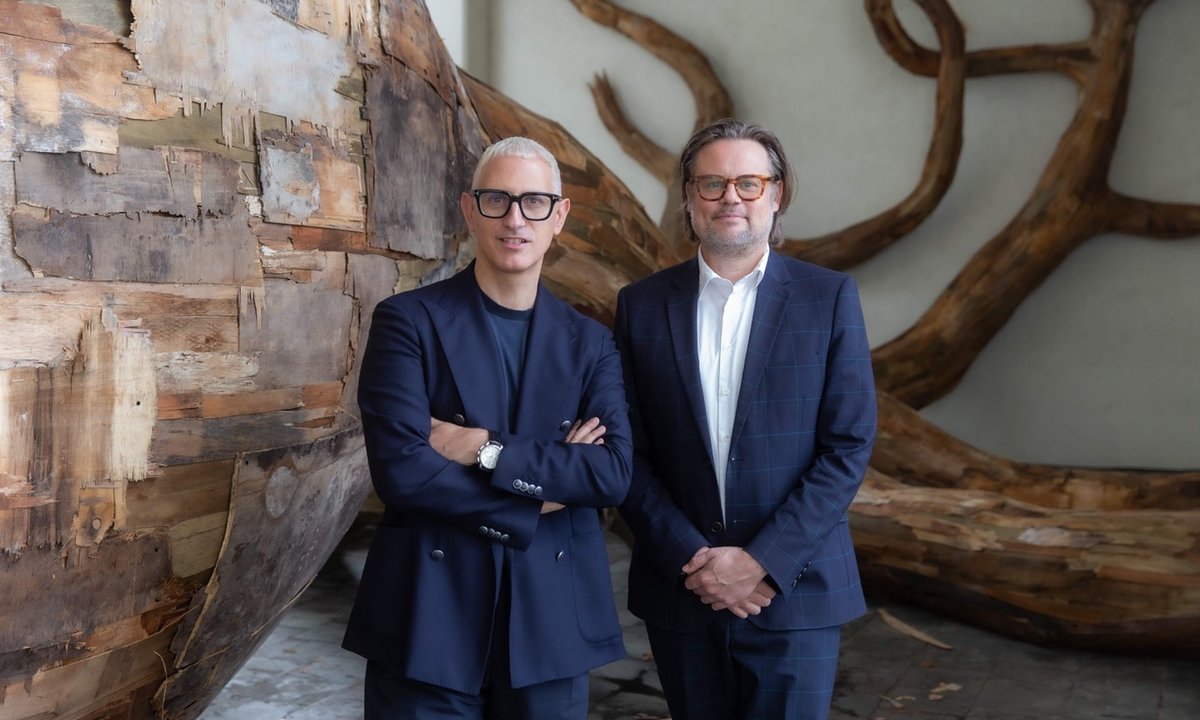
"To be a place of experimentation, you have to be closely engaged with artists and allow them to challenge institutional structures. Artists like Delcy Morelos or Dan Lie bring living elements into the museum, which raises questions when these works are shown alongside figures such as Joseph Beuys. This forces us to rethink conservation, education and exhibition practices across all departments. Experimentation is not theoretical. It means changing structures and remaining fluid, allowing artists to truly inform how the institution works."
"It is essential to acknowledge the role this museum has played, not only in Berlin but also in the global discourse on contemporary art and in supporting artists. Many important artists had their first major exhibitions at Hamburger Bahnhof and went on to international recognition. Anne Imhof is one example, as is Tomás Saraceno, whose early installations were shown in the main hall."
Hamburger Bahnhof positions itself as a site of production, dialogue and experimentation that centers artist engagement to reshape institutional structures. The museum integrates living works and challenging installations alongside historic figures, prompting reevaluation of conservation, education and exhibition practices across departments. Experimentation is framed as practical structural change and operational fluidity that allows artists to inform how the institution works. The institution recognizes its role in launching artists to international prominence while confronting political pressures on cultural spaces. Key priorities include defining the museum’s publicness, mediating difficult conversations, protecting plurality, and rethinking the museum model for the next 30 years.
Read at The Art Newspaper - International art news and events
Unable to calculate read time
Collection
[
|
...
]