Wildlife populations are in decline. Recreation sites are crowded and often underfunded. Wildfires are larger, more destructive and harder to control. Climate change is reshaping natural systems, from ocean fisheries to mountain snowpacks, faster than institutions can respond. At the same time, communities are being asked to host new energy projects, transmission lines and mineral development - often without clear processes, adequate resources or trust that decisions are being made in the public interest.
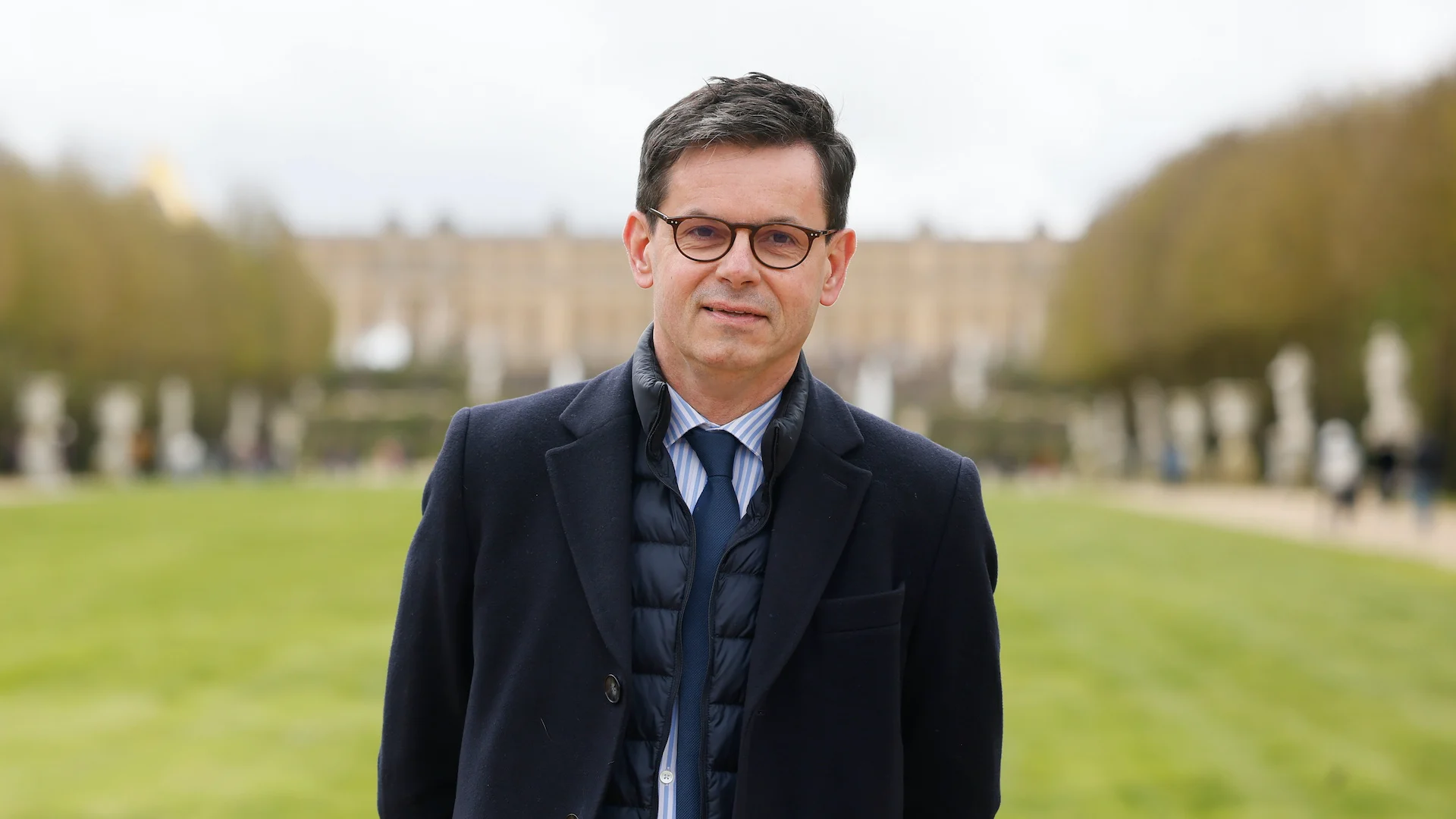
Leribault's priority will be to strengthen the safety and security of the building, the collections, and people, to restore a climate of trust, and to carry forward, together with all the teams, the necessary transformations for the museum, the culture ministry said in a statement on Wednesday.
Higher ed cannot restore public trust in colleges and universities unless the sector reckons in a clear-eyed fashion with the causes of the current crisis. Simply put, the fundamental problem is that when the sector or its individual institutions draw public criticism, we are unable either to make quick changes in response, to explain compellingly why we should not do so, or to redirect public attention effectively toward the overall value and purpose of our work.
His career is, in itself, a map of both the transformation and the limitations of states in the face of organized crime: he played a key role in the downfall of Colombia's major cartels in the 1990s; led the intelligence services during the moments of greatest threat to his country; spearheaded police reforms that professionalized criminal investigations; and, as vice president, participated in the construction of peace agreements that marked a turning point in Colombia's recent history.
"I've heard it said that hope is the consequence of action more than its cause," he told David Leonhardt while appearing on the New York Times Podcast, The Opinions, "and that's something I try to think about a lot in this moment. Instead of waiting around for hope, we actually have an obligation - a responsibility - to build hope, and that hope is the result of what we do in this moment."
The communications out of the Federal Reserve on Wednesday show the present and potential future of American monetary policy in vivid contrast. The big picture: Current leaders of the central bank view the U.S. economy as in basically sound shape, experiencing some labor market softness that is nothing a few modest interest rate cuts can't solve. They emphasize sober consensus-building and moving gradually and predictably.