#job-displacement
#job-displacement
[ follow ]
#artificial-intelligence #ai #ai-automation #labor-market #ai-impact #economic-impact #autonomous-vehicles
#ai-automation

Artificial intelligence
fromIntelligencer
2 weeks agoAI Job Loss Is Coming. Does Anyone Have a Plan?
AI is predicted to automate 18% of jobs, prompting discussions on a new work structure and economic policies.


Software development
fromSeangoedecke
2 months agoI don't know if my job will still exist in ten years
AI advancement threatens to fundamentally transform software engineering within the next decade, potentially automating away most programming roles while senior engineers may transition to supervising AI agents.
US Elections
fromFortune
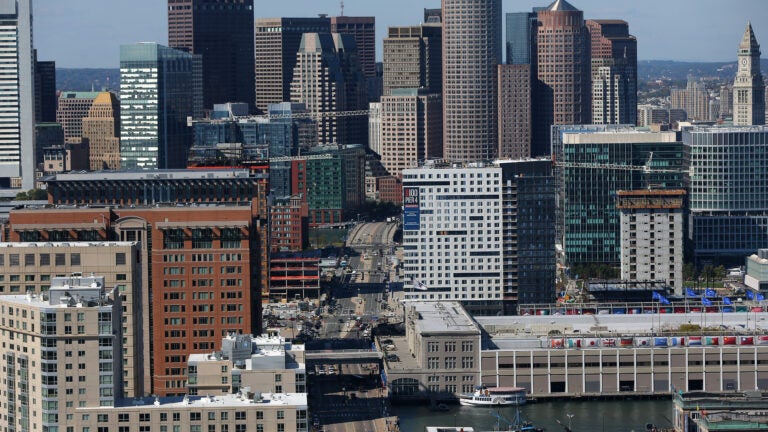
4 hours agoThe China shock hollowed out factory towns. This professor thinks the AI shock is coming for your urban coffee shop | Fortune
AI automation risk is concentrated in knowledge-driven metros, threatening millions of jobs and large projected income losses, especially as AI replaces more labor.


#ai



Artificial intelligence
fromFortune
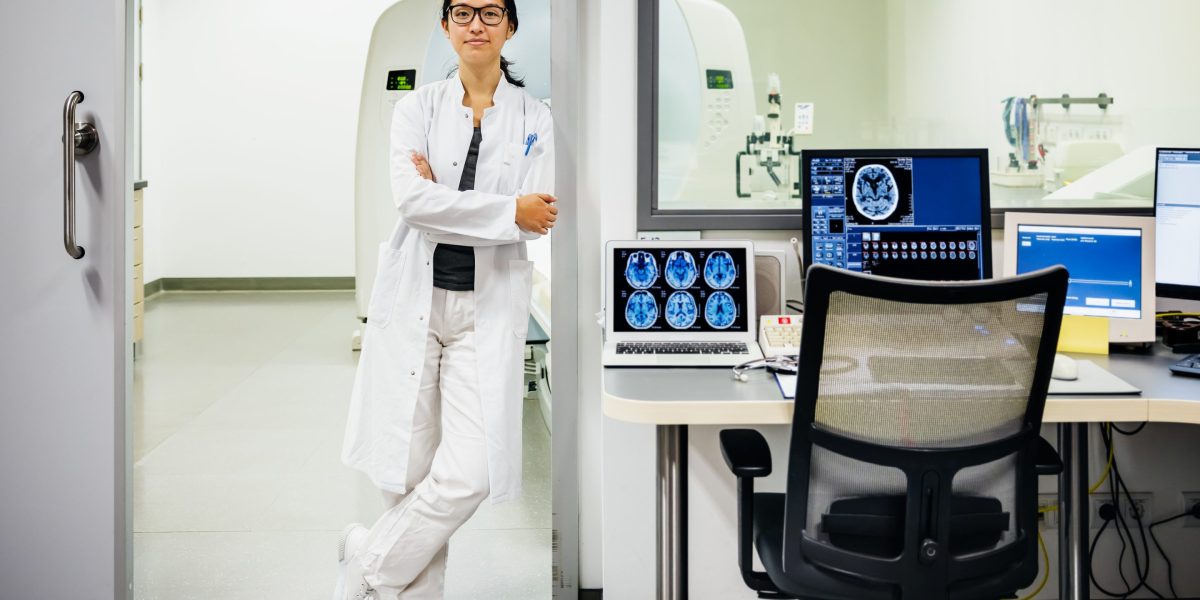
1 week agoA decade after the 'Godfather of AI' said radiologists were obsolete, their salaries are up to $571K and demand is growing fast | Fortune
AI predictions about replacing radiologists have been overstated, with a growing demand for human radiologists instead.
#ai-washing
Artificial intelligence
fromFortune
1 week agoSam Altman says the quiet part out loud, confirming some companies are 'AI washing' by blaming unrelated layoffs on the technology | Fortune
AI washing occurs when companies falsely attribute layoffs to AI, while some job displacement is genuinely caused by the technology.

Artificial intelligence
fromFortune
1 week agoSam Altman says the quiet part out loud, confirming some companies are 'AI washing' by blaming unrelated layoffs on the technology | Fortune
AI washing occurs when companies falsely attribute layoffs to AI, while some job displacement is genuinely caused by the technology.





Careers
fromSilicon Canals
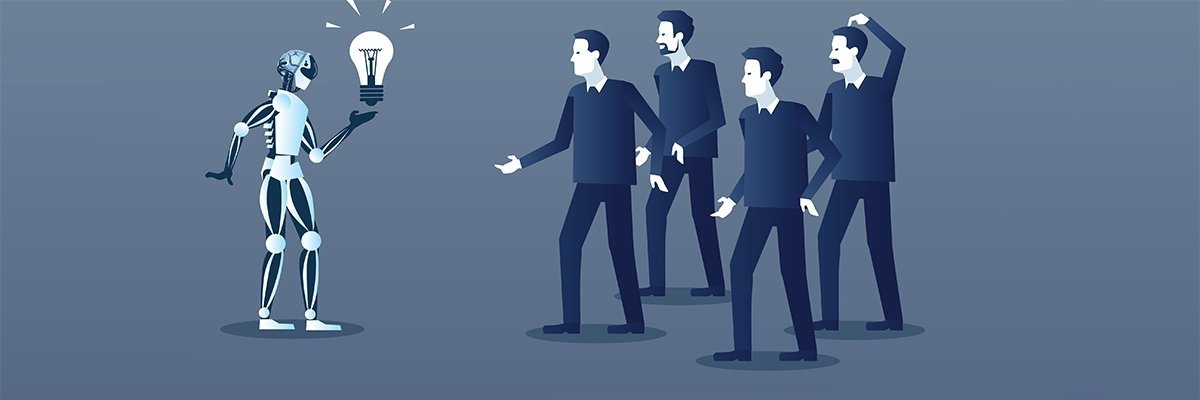
1 week agoAI Job displacement was always going to happen - what nobody predicted was that it would come first for the knowledge workers who once felt safest - Silicon Canals
Automation is displacing white-collar jobs, challenging the belief that knowledge work is safe from technological advancement.
#autonomous-vehicles
Alternative transportation
fromFortune
1 month agoWaymo co-CEO insists its robotaxis aren't eliminating human jobs because real people will still be needed to change tires and calibrate the sensors | Fortune
Waymo claims autonomous vehicles create new jobs in maintenance, fleet operations, and infrastructure rather than eliminating existing employment in served markets.

Alternative transportation
fromFortune
1 month agoWaymo co-CEO insists its robotaxis aren't eliminating human jobs because real people will still be needed to change tires and calibrate the sensors | Fortune
Waymo claims autonomous vehicles create new jobs in maintenance, fleet operations, and infrastructure rather than eliminating existing employment in served markets.
Artificial intelligence
fromFast Company
1 month agoWhat will the robot jobs apocalypse look like? Ask Amazon warehouse workers
Generative AI and automation are significantly transforming job landscapes, particularly in Amazon warehouses, potentially replacing hundreds of thousands of jobs with robots.


#ai-training-data
Artificial intelligence
fromThe Verge
1 month agoAI companies want to harvest improv actors' skills to train AI on human emotion
AI training companies hire creative professionals like actors and comedians to generate specialized data that helps fix gaps in AI model knowledge, raising concerns about accelerating job obsolescence in creative industries.

Artificial intelligence
fromThe Verge
1 month agoAI companies want to harvest improv actors' skills to train AI on human emotion
AI training companies hire creative professionals like actors and comedians to generate specialized data that helps fix gaps in AI model knowledge, raising concerns about accelerating job obsolescence in creative industries.
Artificial intelligence
fromFortune
1 month agoMorgan Stanley warns an AI breakthrough Is coming in 2026 - and most of the world isn't ready | Fortune
A major AI breakthrough is expected in early 2026, driven by massive compute accumulation, but faces severe power infrastructure constraints and will cause significant job displacement.
fromThe Atlantic
2 months agoPlay It Again, Claude
By the early 1900s, player pianos had evolved to more fully reproduce a human performance, including subtle dynamics like tempo changes and the introduction of a damper pedal. The human role went from deskilled to fully deprecated as electric motors replaced foot-powered bellows. With the Seeburg Lilliputian Model L, the only job left for humans who wanted to play the piano in the 1920s was to put in a coin.
History

Artificial intelligence
fromFortune
2 months agoThe billion-dollar justification: why AI giants need you to fear for your job | Fortune
AI transformations shift software economics toward costly centralized infrastructure and venture-capital-driven scale, disrupting business models more than directly eliminating workers' paychecks.
Artificial intelligence
fromFortune
2 months agoDeutsche Bank asked AI how it was planning to destroy jobs. And the robot answered | Fortune
AI will displace repetitive, data-rich jobs—especially in software, finance, and customer service—while roles requiring empathy and manual dexterity remain safer for now.
fromBusiness Insider
2 months agoGary Marcus skewers viral essay warning about job disruption
"I think that one should work from the facts rather than just trying to cause an alarm," Marcus told Business Insider. "Hyped-up views have gotten us into a bad place, possibly one that's going to lead to a serious economic recession or something like that," Marcus told Business Insider. "And I guess I think that one should work from the facts rather than just trying to cause an alarm."
Artificial intelligence

fromFortune
2 months agoAI could trigger a global jobs market collapse by 2027 if left unchecked, former Google ethicist warns | Fortune
"It's a kind of competitive logic that self-reinforces itself," Harris said. "It forces everyone to be incentivized to take the most shortcuts, to care the least about safety or security, to not care about how many jobs get disrupted, to not care about the well-being of regular people."
Artificial intelligence


[ Load more ]