#fogbugz-alternatives
#fogbugz-alternatives
[ follow ]




fromTechCrunch
4 days agoFathom adds a bot-less meeting mode in a bid to take on Granola | TechCrunch
A lot of these bot-less tools don't indicate who said what in their captured transcript. Many people face problems with misattribution when they ask their meeting note-taker a question about what they might have said in a particular meeting a few months ago.
Roam Research


fromComputerworld
3 days agoMicrosoft Teams cheat sheet: How to get started
Using the Mic button and dropdown, you can select your audio devices, including your speaker volume. In most cases, Teams selects this correctly, but if you want to switch to a Bluetooth or USB headset, for instance, choose the right device from the Speaker and Microphone section of the right pane.
Remote teams


#github-copilot
Node JS
fromgithub.com
1 month agozahhar/ghcp-dashboard: Dashboard with Github Copilot Metrics
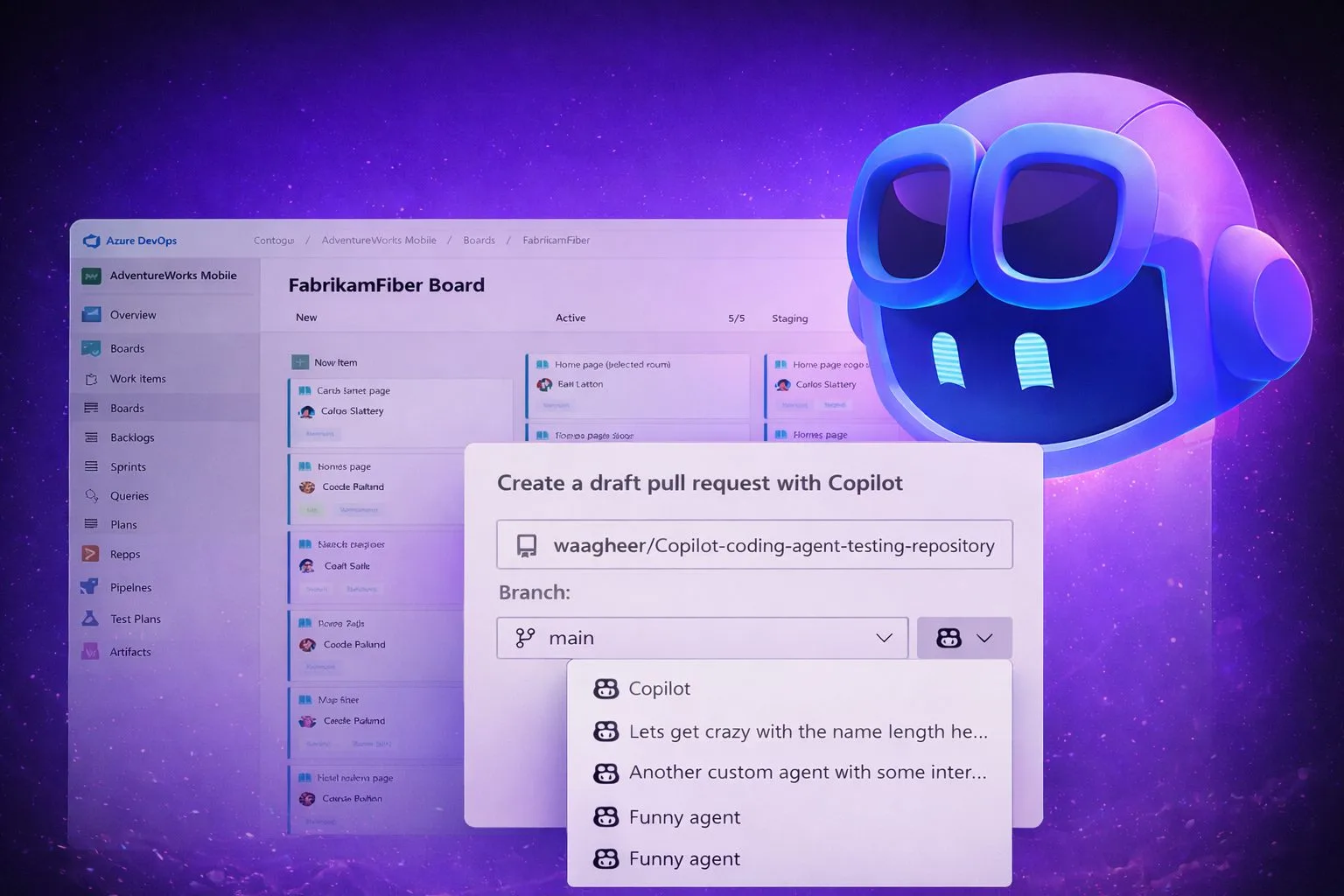
A lightweight Node.js dashboard aggregates GitHub Copilot usage metrics via REST API to display team adoption patterns, user engagement, and model/IDE preferences through a browser-based leaderboard interface.
Node JS
fromgithub.com
1 month agozahhar/ghcp-dashboard: Dashboard with Github Copilot Metrics
A lightweight Node.js dashboard aggregates GitHub Copilot usage metrics via REST API to display team adoption patterns, user engagement, and model/IDE preferences through a browser-based leaderboard interface.
Artificial intelligence
fromFast Company
1 month agoProject management hub Asana wants to be your go-to for managing AI
Asana launches AI teammates that collaborate with multiple humans through its platform, functioning like actual team members who receive assignments, feedback, and participate in project workflows.
Mobile UX
fromAzure DevOps Blog
1 month agoUpdates to Team Calendar extension - Azure DevOps Blog
Team Calendar extension receives visual refinements including improved design consistency, better contrast, updated color palette, smoother transitions, and enhanced usability across all interface components.
fromAzure DevOps Blog
2 months agoCondensed views on Kanban and Sprint boards - Azure DevOps Blog
One of the challenges teams face when working with large boards or displaying multiple fields on work item cards is limited screen space. This became even more noticeable with the rollout of the New Boards hub, which introduced additional spacing and padding for improved readability. While this enhances clarity, it can also reduce the number of cards visible at once.
UX design

fromDevOps.com
2 months agoThe Problem's Not Your Monitoring Tools, It's Your Workflow - DevOps.com
The real cost of poor observability isn't just downtime; it's lost trust, wasted engineering hours, and the strain of constant firefighting. But most teams are still working across fragmented monitoring tools, juggling endless alerts, dashboards, and escalation systems that barely talk to one another, which acts like chaos disguised as control. The result is alert storms without context, slow incident response times, and engineers burned out from reacting instead of improving.
DevOps
Remote teams
fromSitePoint Forums | Web Development & Design Community
2 months agoBeyond Slack & Trello: What's Your Stack for Secure Remote Team Collaboration?
Choose collaboration tools that balance seamless integration, minimized context switching, and strong data security—favor integrated task-chat platforms or E2EE solutions for sensitive discussions.
fromdzone.com
2 months agoAgile's AI-Driven Paradigm Shift
"I've never felt this much behind as a programmer. The profession is being dramatically refactored as the bits contributed by the programmer are increasingly sparse and between. I have a sense that I could be 10X more powerful if I just properly string together what has become available over the last ~year and a failure to claim the boost feels decidedly like skill issue."
Artificial intelligence
fromYcombinator
1 month agoShow HN: An addendum to the Agile Manifesto for the AI era | Hacker News
AI made producing software cheap, but understanding it is still expensive. The Manifesto optimizes for the former. This addendum shifts the emphasis toward the latter. Four updated values, three refined principles, with reasoning for each.

[ Load more ]