Travel
fromInvestopedia
22 hours ago6 Countries With Simple Visa Pathways for an Easier Expat Transition
Moving out of the U.S. requires understanding visa regulations and options for long-term residency in other countries.
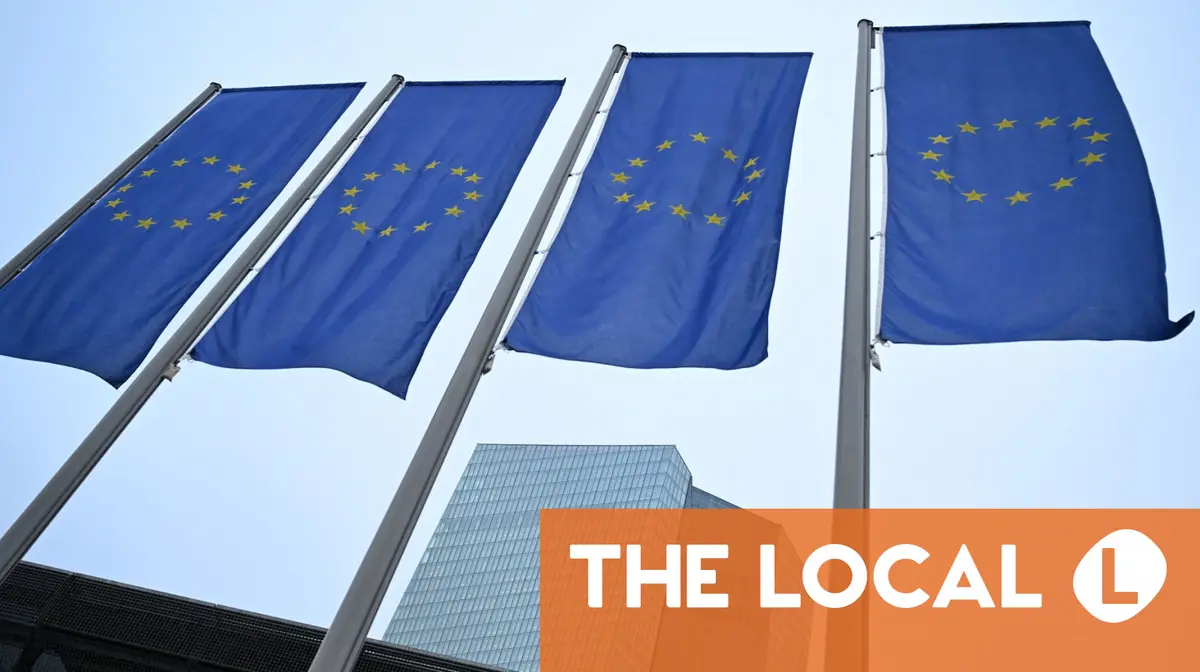
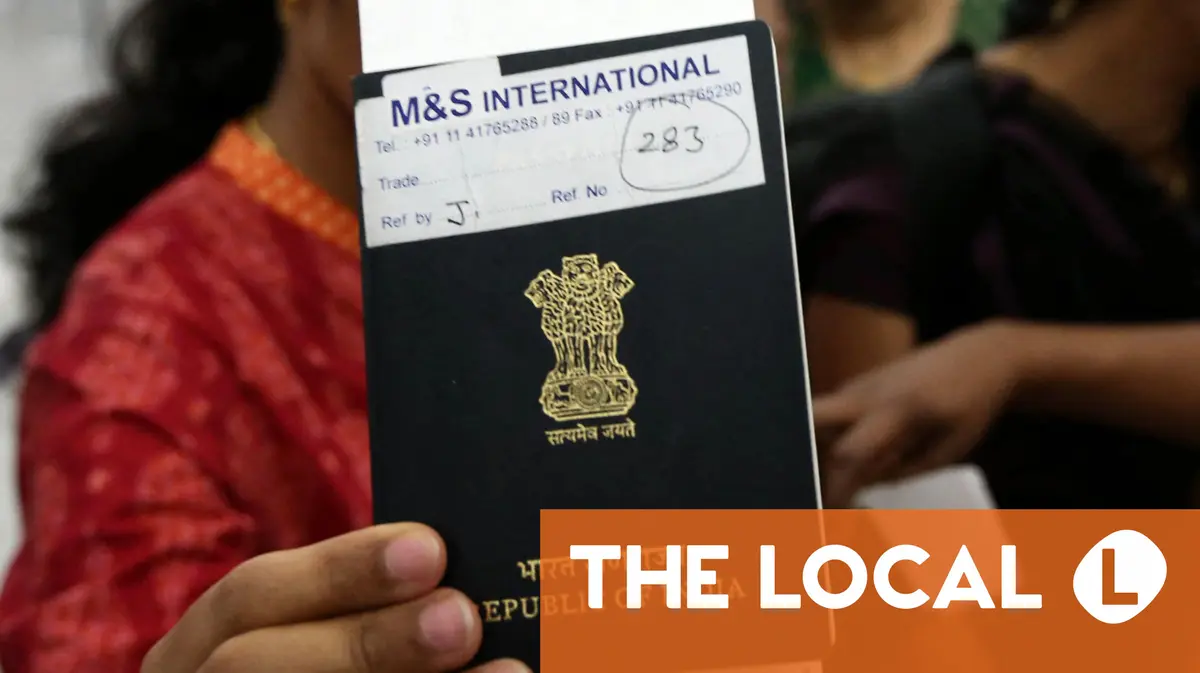
As part of the landmark trade agreement announced on January 27th, the EU and India adopted a 'mobility framework' that aims to make it easier for Indian students, researchers and young professionals to move to the EU. The EU and India have a long history of collaboration. Bilateral ties were established in 1962 and a comprehensive trade agreement has been in discussion since 2004, think tank recalls. In 2016, the EU and India adopted a Common Agenda on Migration and Mobility (CAMM)
SPD Secretary General Tim Klussendorf told the newspapers of the Redaktionsnetzwerk Deutschland on Sunday that the ruling coalition should now move swiftly to make the ban a reality. "We finally need clear rules on digital platforms. Addiction-inducing algorithms, hate, and bullying are a massive problem for our entire society and can be particularly dangerous and harmful to children and young people," he said.
Gaining citizenship through family or through marriage is possible, but if you don't have any useful relatives or an EU spouse you'll be looking at getting citizenship through residency. From residency requirements to rules on dual nationality, every country in Europe has its own way of tackling naturalisation.
In a classroom in Chennai, India, around 20 nurses are learning German at breakneck speed. They have six months to become fluent enough to work in Germany. Ramalakshi, one of the nurses, says her family struggled financially, but still managed to pay the equivalent of several thousand euros for her nursing college. Ever since completing her education, she felt the need to give back.
People still want children, and the question is why are they not having them? A sense of security is essential for realizing the desire to have children. The succession of crises has prevented many people from turning that wish into reality.
The Common European Asylum System (CEAS) is the European Union's legal framework to create uniform, fair, and efficient standards for processing asylum applications. The system's reform, agreed in 2024, will become legally binding in Germany and throughout the EU in June, 2026. EU member states had a two-year implementation period during which the new rules including stricter border procedures were transposed into national law.