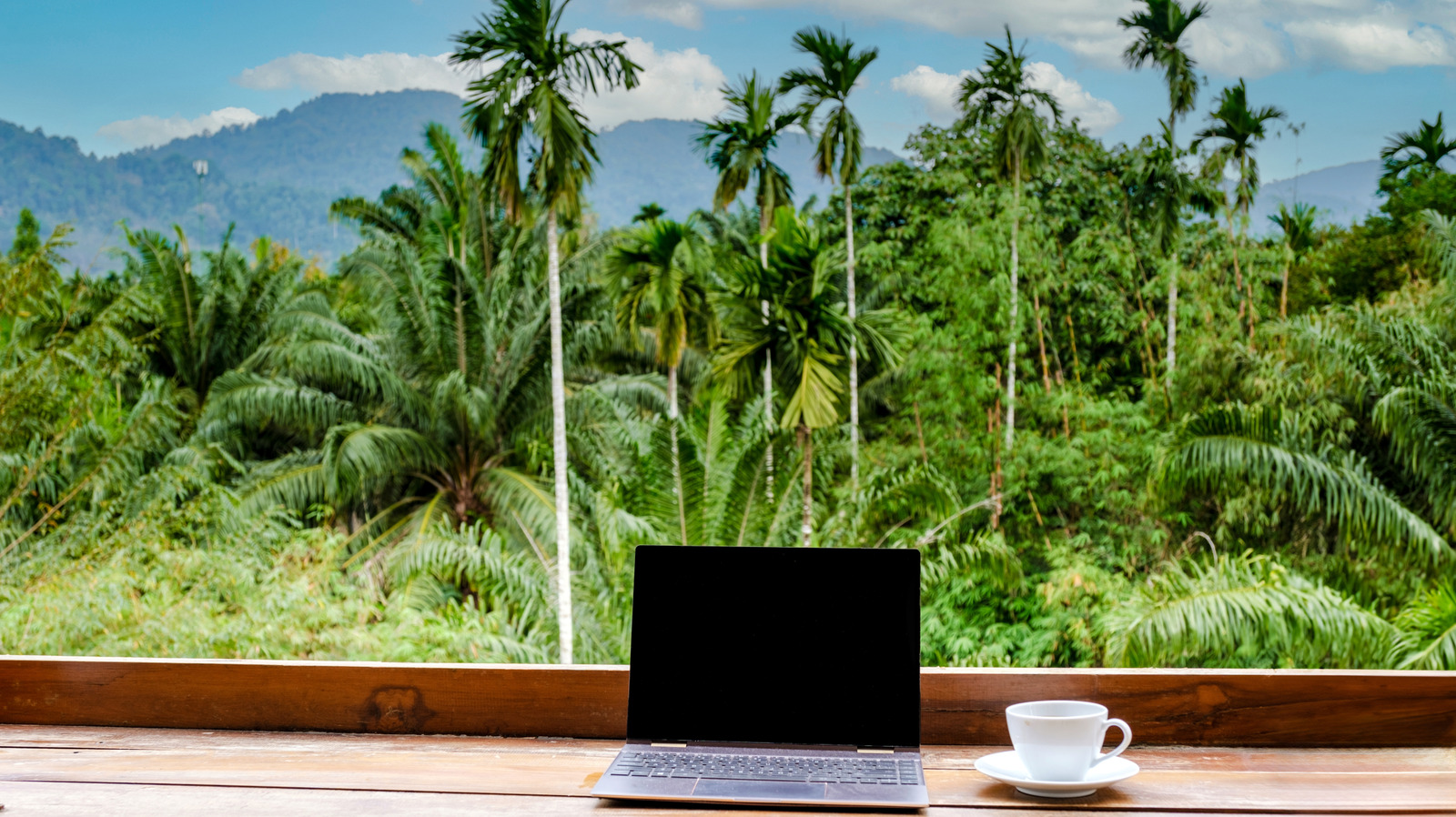
The trend of working remotely as a digital nomad continues to grow across the United States as more and more people try to escape the daily grind of office life. As such, millions of digital nomads in the United States are now looking for somewhere new and exciting to work. You've come to the right place if you're one of those people.
Living abroad as a digital nomad, traveler, or retiree isn't just a great way to experience new cultures, try new things, and explore the world. It's also a great way to save money. While the cost of living in many countries is high, making it more challenging to buy a home, it's surprisingly low in other countries. Did you know you can find places to live worldwide for less than $500 monthly? If not, you've come to the right place.
Everyone yearns for a good work-life balance, and some people love the idea of exploring a little more of the world while working remotely. Some countries are set up for both-offering accessible digital nomad visas and great infrastructure, ranking highly in several recent expert reports across both categories. What's more, these five countries-Australia, Canada, Denmark, Finland, and Norway-have also recently topped the best places to travel in 2026 lists. Here's why.
The DH4300 Plus tackles some of these issues with a simple solution: own your data and access it anywhere. By storing everything locally and connecting through secure remote access, travellers can back up their photos, videos, and documents without surrendering control or paying ongoing fees. UGREEN claims the savings over typical cloud plans can reach around $720 per year, but cost isn't the only benefit. The system keeps data within the user's possession, protected by enterprise-level encryption and two-factor authentication.
As work becomes increasingly borderless, understanding how VAT applies is critical. The first step is to know where obligations begin and ensure they're addressed before they become a problem. There are two categories of global workers for whom VAT considerations are especially relevant: Employees on international secondments, who remain on their company's payroll while temporarily working abroad, and digital nomads, who operate their own businesses while moving from country to country.
A report published by Talker Research pinpoints the exact average bank balance Americans need to drop everything and travel the world. According to this study, involving 2,000 people, the average wannabe world-traveling American needs roughly "$287,731 in the bank." Of course, there is a generational divide on the exact amount: baby boomers indicated an average of $335,000. Meanwhile, their youngest-paying relatives in Generation Z (Gen Z) named a more modest $211,000 to encourage their exodus abroad.
One of the biggest shifts has been a growing demand for unique experiences. By taking advantage of flexible work opportunities, more Americans are embracing the appeal of a digital nomad lifestyle. What was once seen as an option mainly for solo travelers and young couples is now growing among a new demographic: families. Recent studies show that digital nomad families have increased in 2025, with about 15% of digital nomads now traveling with their children.