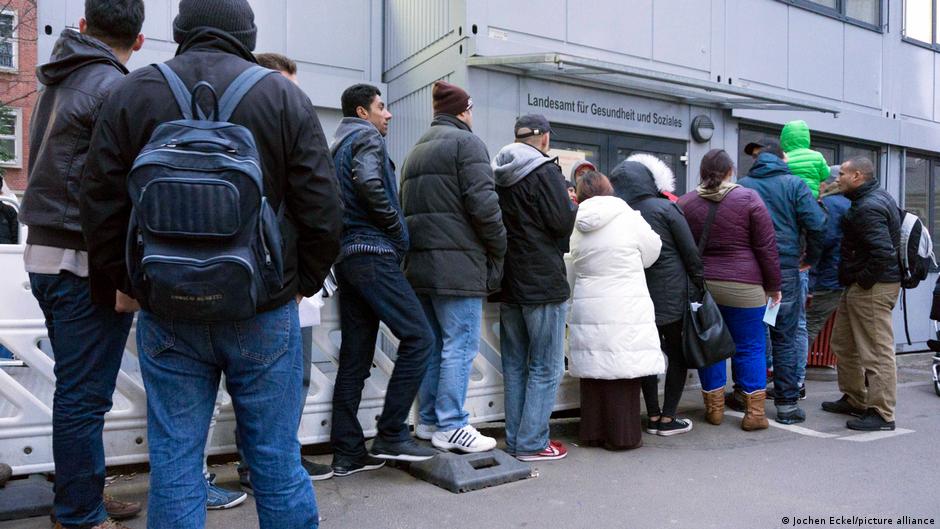
"The Common European Asylum System (CEAS) is the European Union's legal framework to create uniform, fair, and efficient standards for processing asylum applications. The system's reform, agreed in 2024, will become legally binding in Germany and throughout the EU in June, 2026. EU member states had a two-year implementation period during which the new rules including stricter border procedures were transposed into national law."
"So-called "Dublin cases," that is, refugees who are registered in other European countries or have already applied for asylum there, may be detained in special asylum centers (Sondermigrationszentren). The federal government hopes this will make deportations faster and easier and ensure that refugees cannot go into hiding. However, the decision on whether to set up these asylum centers lies with the federal states. These must still approve the new regulations, and the Bundesrat, the representative body of the federal states, must also give its consent."
"As a rule, minors and their families should be allowed to leave the facilities after six months. SPD internal affairs expert Sebastian Fiedler says, "It was really important to us to make sure there won't be any unnecessary hardships for kids and families and that vulnerable groups are protected." Work permits and healthcare Refugees who have already filed an application for asylum and all those who have been granted temporary permission to stay will get faster access to the labor market in the future: Whereas the waiting period was previously six mo"
The CEAS reform agreed in 2024 becomes legally binding in Germany and across the EU from June 2026 after a two-year transposition period. The reforms introduce stricter border procedures and allow detention of so-called Dublin cases in special asylum centers, though federal states and the Bundesrat must approve implementation. Minors and their families are generally to be allowed to leave such facilities after six months, with explicit protections for vulnerable groups. Asylum applicants and holders of temporary permission will receive faster access to the labor market and healthcare, replacing a previous six-month waiting period for work access.
Read at www.dw.com
Unable to calculate read time
Collection
[
|
...
]