#endurance22-expedition
#endurance22-expedition
[ follow ]
#antarctica #climate-change #nasa #travel #space-exploration #artemis-ii #adventure-travel #greenland #trail-running
#travel
Travel
fromwww.businessinsider.com
14 hours agoI spent 10 weeks backpacking through South America. Here are the 4 places I'd visit again in a heartbeat.
Traveling through South America revealed unforgettable experiences in cities like Buenos Aires and Ushuaia, each offering unique attractions and memories.

fromwww.cbc.ca
4 days agoCanadian astronaut Jeremy Hansen reflects on his mission its challenges and its joy | CBC News
I would have loved to have gotten to space earlier, obviously. But NASA's space program changed. The shuttle ended and the moon program at that time got significantly delayed and then it morphed. Some of that was challenging, but also, you have to just make the best of it. And I really enjoyed the journey along the way.
Science
#artemis-ii

Science
fromwww.mediaite.com
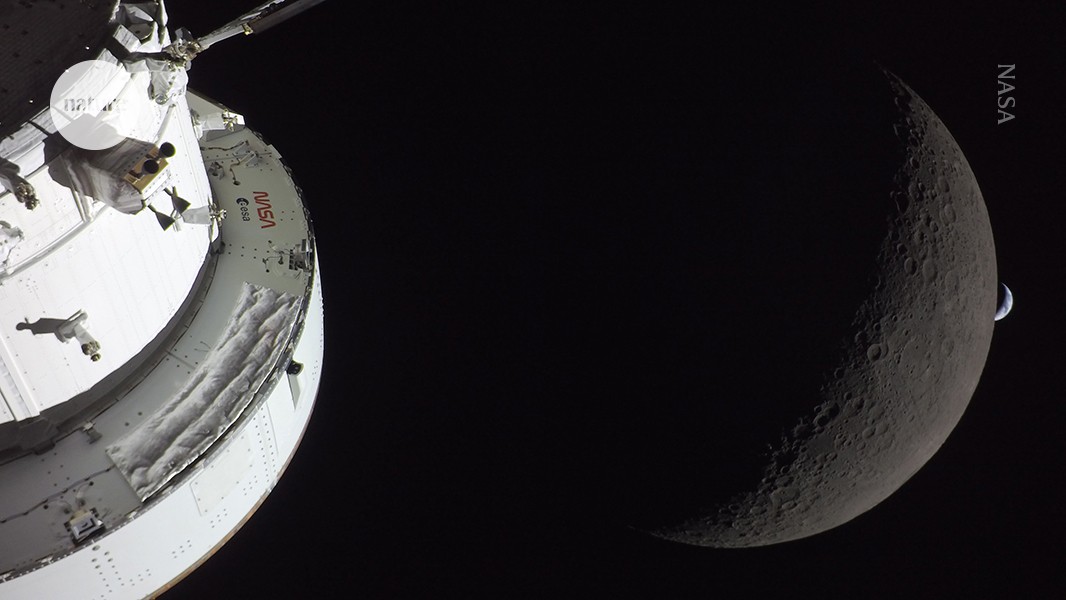
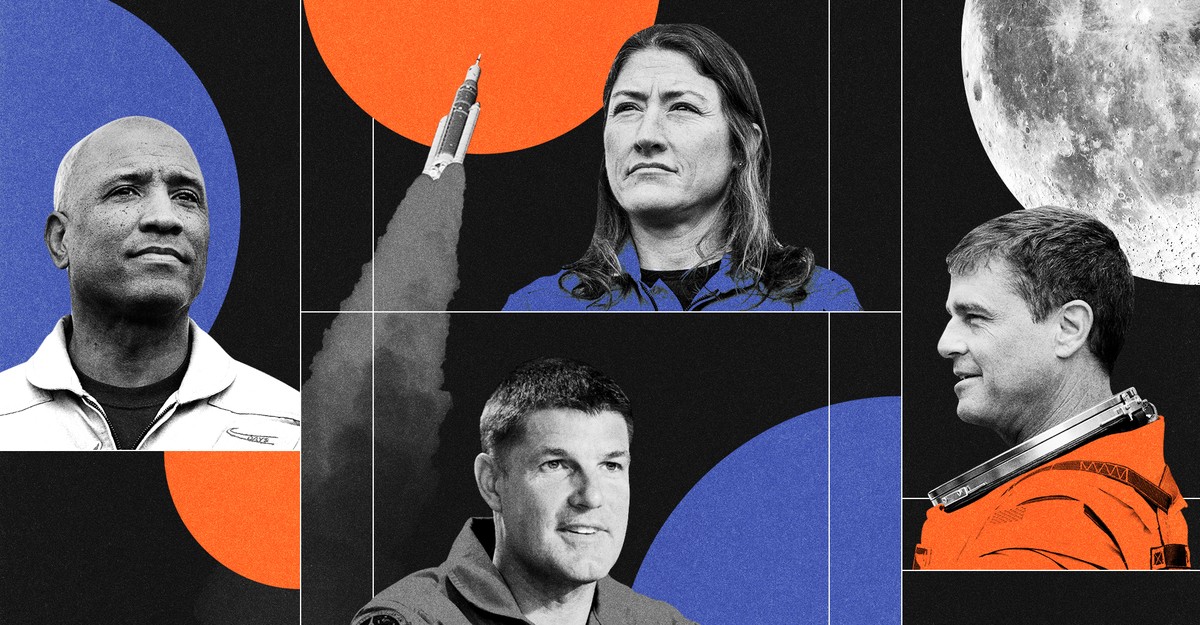
1 week agoJust This Lifeboat Hanging On': Artemis II Astronauts Speak Of The Humanitarian Lessons Learned in Space
The Artemis II astronauts expressed overwhelming emotions and gratitude after their historic mission around the moon, emphasizing the human experience and connection to Earth.

fromSnowBrains
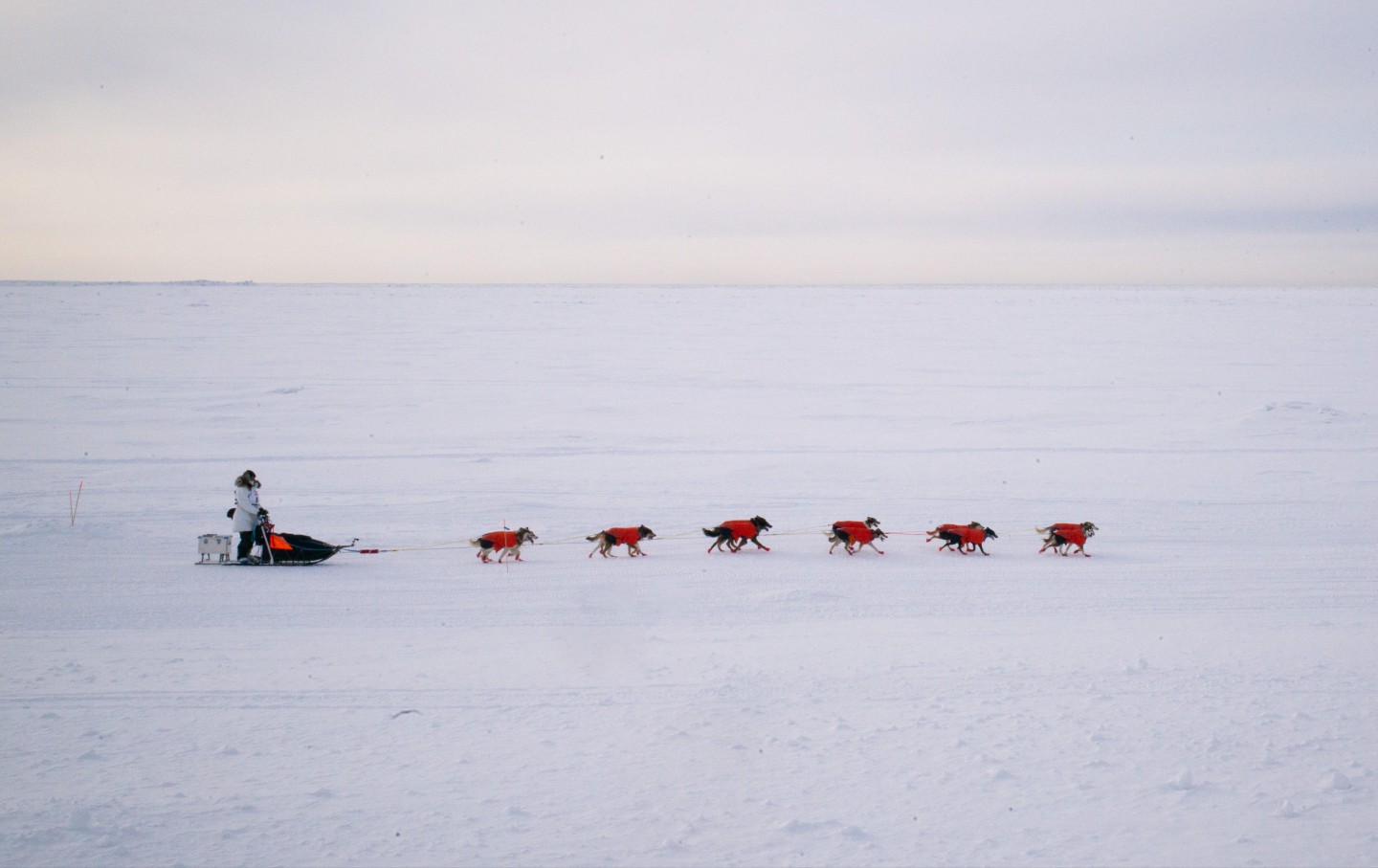
3 weeks ago2 Backcountry Skiers Survive Avalanche Near Nuuk, Greenland, Buried Up to 16 Feet Deep for Nearly an Hour - SnowBrains
The first victim was located approximately one meter below the surface and showed signs of life after being freed. The second burial was beyond the reach of standard probe rods, and the victim was eventually found 13 to 16 feet down.
Snowboarding
Skiing
fromBusiness Insider
1 month agoThe Arctic is stress-testing US Marines and their HIMARS in the most brutal conditions
US Marines train to operate HIMARS rocket artillery systems in Arctic Norway to develop combat capabilities for frozen battlefield conditions that cannot be replicated in North Carolina.
fromMail Online
1 month agoOur science editor reviews a 'once in a lifetime' trip to Antarctica
Imagine waking up on a ship surrounded by icebergs, camping in the snowy wilderness and kayaking among the exhalations of humpback whales. You can also take part in a polar plunge, board small zodiac boats to search for leopard seals and collect samples for science research.
Travel
Environment
fromState of the Planet
1 month agoAntarctica Undergoes 'Greenlandification' As Ice Melt Accelerates
Antarctica's ice sheet is undergoing rapid destabilization similar to Greenland's, with accelerating surface melt, ice shelf collapse, and grounding line retreat driven by oceanic and atmospheric warming.
Miscellaneous
fromEntrepreneur
1 month agoFrom Andean Villages to Antarctica - What Living a Life Built on Adventure Can Teach You About Leadership
Collette's CEO Jaclyn Leibl-Cote built leadership credibility through hands-on experience across all departments, prioritizing people-first leadership and community impact through the Collette Foundation.
fromIndependent
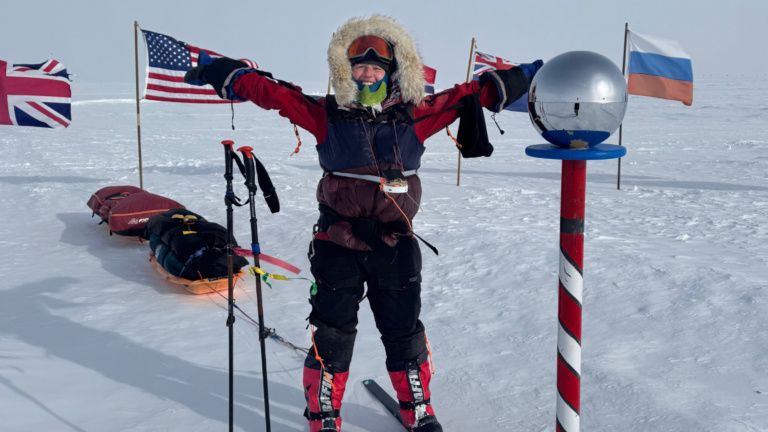
1 month agoWicklow teen (16) conquers father-daughter Arctic trek: 'I was at my limit but kept going'
After hauling supplies across ice and hip-high snow in temperatures dropping to minus 30 degrees, all while battling calorie crashes and the strain of a sprained ankle, an adventurous Wicklow teen who conquered an Arctic expedition with her father says the feat made her realise she is "more capable than I thought".
Skiing
#antarctic-expedition
OMG science
fromElite Traveler
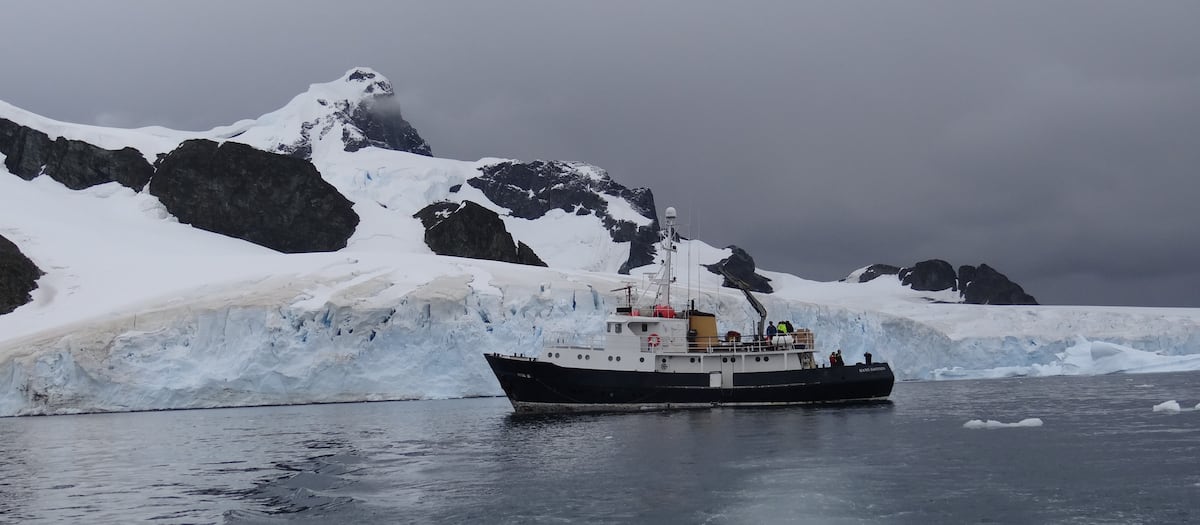
1 month agoI Battled the Ice to Retrace Douglas Mawson's Adventure to East Antarctica
The Douglas Mawson, a Polar Class 6 icebreaker ship, encountered impassable pack ice near Antarctica and was forced to retreat to avoid becoming trapped by compacting ice driven by 64-knot winds.
OMG science
fromElite Traveler
1 month agoI Battled the Ice to Retrace Douglas Mawson's Adventure to East Antarctica
The Douglas Mawson, a Polar Class 6 icebreaker ship, encountered impassable pack ice near Antarctica and was forced to retreat to avoid becoming trapped by compacting ice driven by 64-knot winds.
fromwww.theguardian.com
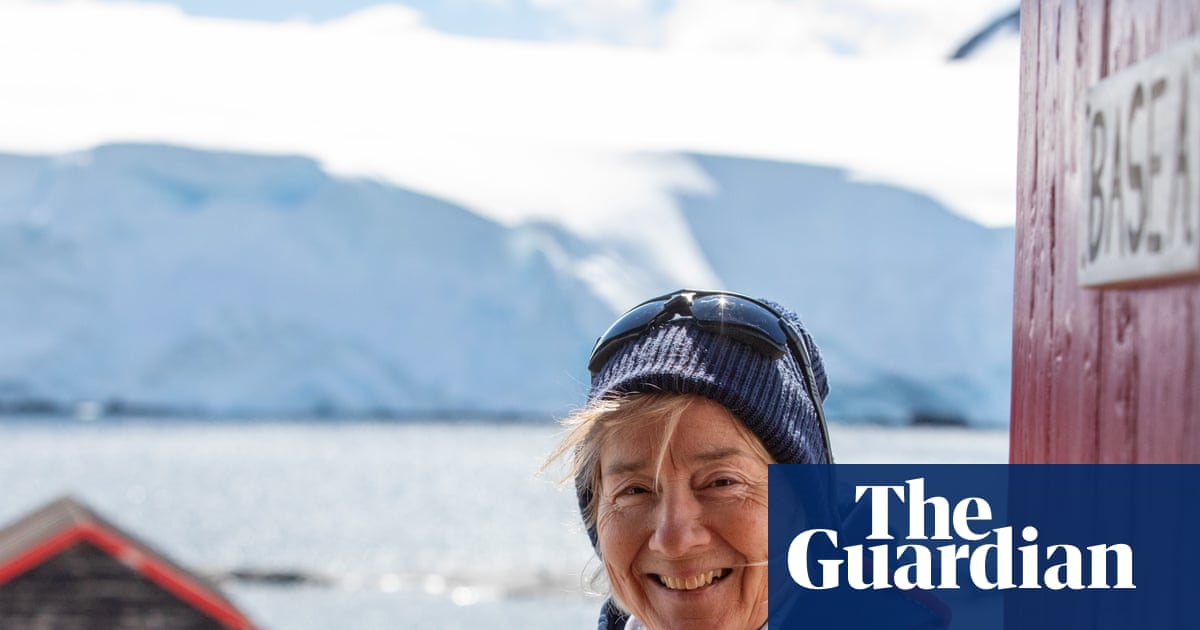
2 months agoExperience: I'm a professional chef in Antarctica
Travelling there was a childhood dream of mine. I saw it as a way to test myself against something so much bigger. I nearly applied for a role at the British Antarctic Survey (BAS) 30 years ago, but then my wife and I were expecting our first child. Instead, I've worked as a chef in Michelin-star restaurants in Paris and London, hotels in Kuala Lumpur and St Moritz, and even at a school in Oxfordshire.
Food & drink


fromNature
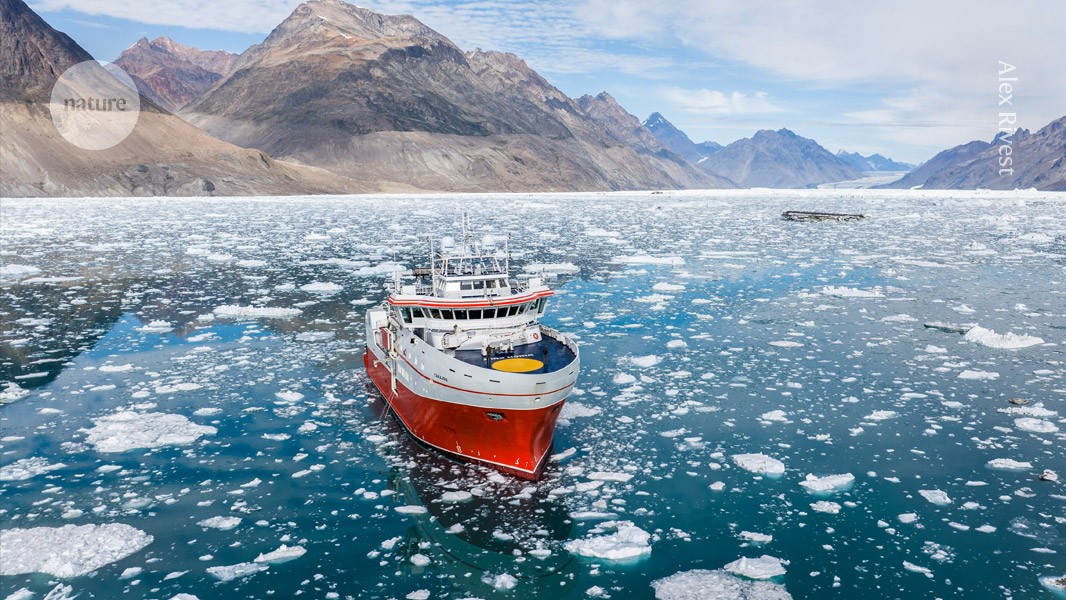
2 months agoWhat my cave stay taught me about sensors
To capture the biological impact of this extreme environment, I used a comprehensive suite of sensors and biomarker analyses. I wore a wireless electroencephalograph (EEG) system to monitor brain activity, sleep stages and neural signatures of stress and adaptation; the Oura Ring to continuously track sleep patterns, heart-rate variability and circadian-rhythm shifts; and the glucose monitor to follow metabolic responses in real time.
Wearables
fromBusiness Insider
2 months agoJust surviving the Arctic could be half the battle for NATO in a future war
SODANKYLÄ, Finland - Deep snow. Fleeting daylight. Wet clothes. Frozen weapons. Sub-zero temperatures. NATO soldiers training in Arctic warfare are learning that in a future conflict, fighting the enemy may be only half the battle. The other would be surviving the region's harsh winters. "The environment can be hard for someone who is not used to it," said Finnish Lt. Laura Lähdekorpi, bundled up and dressed in camouflage to blend in with the snow.
Careers
fromNew York Post
2 months agoExclusive | NYC model on a mission to polar plunge every day - and Winter Storm Fern won't stop him
Stephen Niese, of Flatbush, wore nothing but his swim trunks when he swam his usual 100 yards along the iconic coastline, where the blistering 36-degree water temperatures were paired with a 22-degree wind chill ahead of this weekend's snowstorm. "It's like a rush. You feel superhuman after you come out of the cold," Niese, 62, told The Post after what he called a relaxing dip.
Wellness
Fashion & style
fromTravel + Leisure
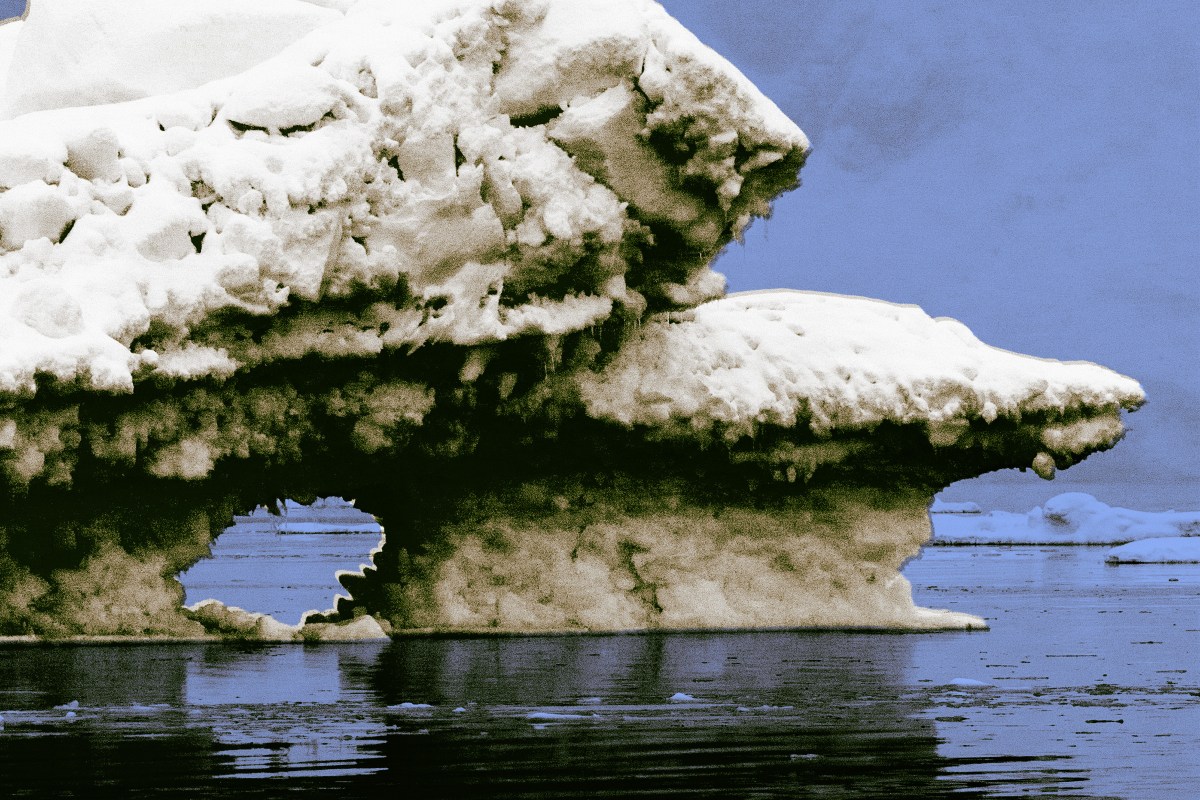
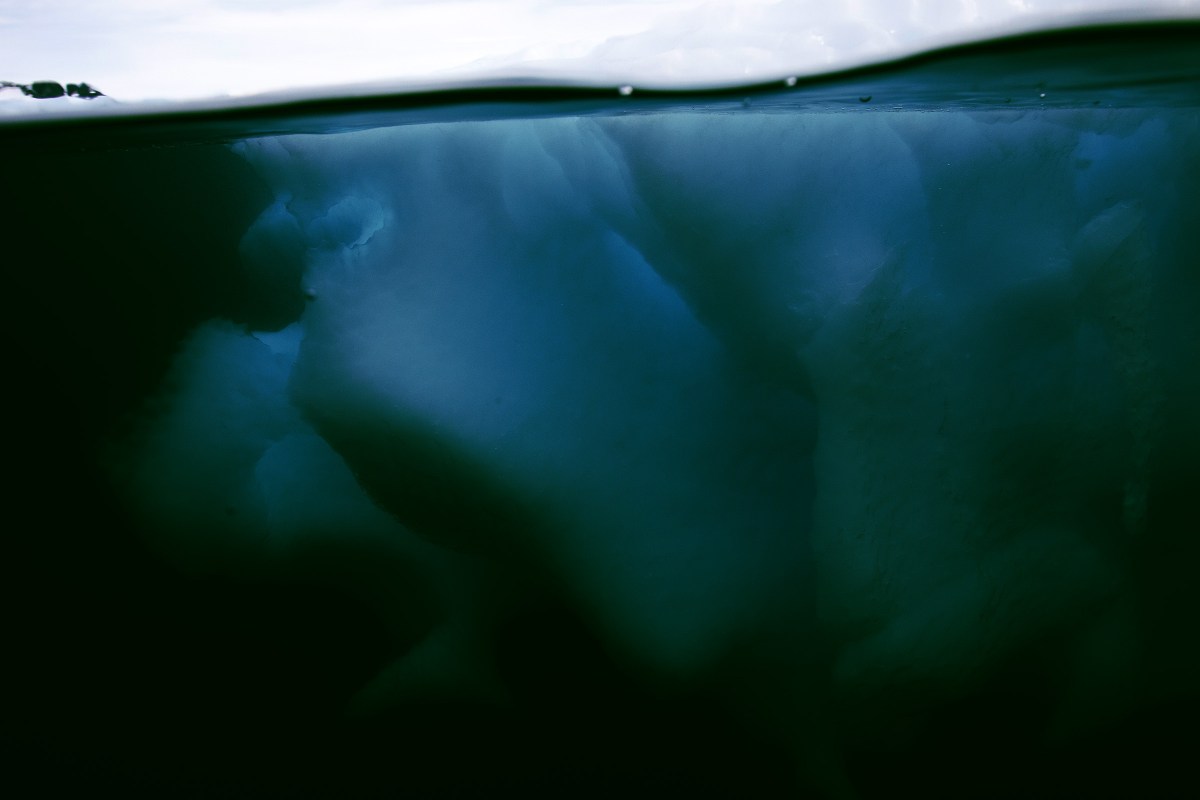
2 months agoI'm a Travel Writer Who's Camped on an Ice Cap-and These 15 Essentials Keep Me Warm in Subzero Temps, From $15
Layered, high-quality winter clothing—fleece-lined leggings, thermal socks, and insulated down jackets—enables comfort and mobility in subzero temperatures for cold-sensitive travelers.

Travel
fromTravel + Leisure
2 months agoThis Is the Most Important Cruise Detail to Know Before Booking an Expedition Cruise
Polar Class ratings define a vessel's hull strength, propulsion, maneuverability, and safety equipment for operating in varying polar ice conditions, with PC1 highest and PC7 lowest.
fromwww.scientificamerican.com
2 months agoSvalbard's polar bears are showing remarkable resilience to climate change
Polar bears are the poster children of climate changeand for good reason. These giant bears hunt, mate and spend their days hanging out on Arctic sea ice, which is rapidly disappearing as the climate warms. But some polar bears, it seems, are far more resilient than we realized: new research suggests that in one region, the bears are adapting to the declining sea ice.
Environment
fromSnowBrains
2 months agoBe Bold, Start Cold - SnowBrains
And the old man wasn't just rambling or lost-he had a damn point. If you start a tour wearing minimal layers and are already feeling cold (which, given the current conditions will likely require a certain degree of bravery), then your body will warm itself up as you shed calories hiking up the hill. This will prevent you from overheating, and keep you more comfortable on the way up.
Snowboarding
fromiRunFar
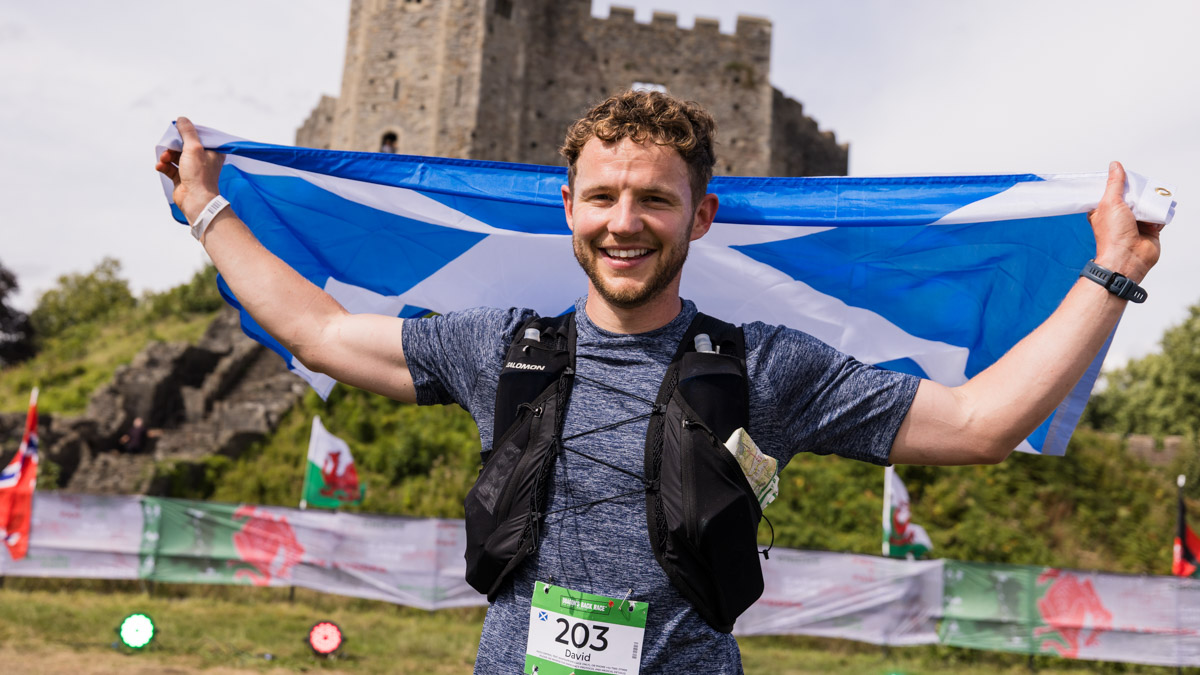
1 month agoConnecting Wild Places: Landscapes of Kilian Jornet's States of Elevation Project
Jornet's well-publicized States of Elevation project in 2025 was a feat in human endurance, mountain running, and planning. Starting on September 3, he linked 72 of the 14ers in the contiguous U.S in a human-powered fashion - on foot and bike - with a support crew following him and helping with logistics. He started with the 14,259-foot Longs Peak in Colorado, then went on to California and north to Washington, finishing on the 14,410-foot Mount Rainier.
Skiing
fromEsquire
1 month agoThe Rise of the Paincation
On day five of an eight-day, 500-mile mountain bike race in Africa, Piers Constable found himself sprawled in the dirt for the second time. First he'd crashed on his left side, then on his right, until he was, in his own words, "muddied and bloodied," staring at a bike that was very much broken. He remembered a feed station a couple miles away and realized he had two choices: quit or run. He picked up the bike and ran.
Running
fromUnofficial Networks
2 months agoProfessional Skier Makes Incredible Save After Cornice Collapses Under His Feet
Cornice collapses can be incredibly dangerous, having the potential to crush people, pull them down mountains and potentially over rocky cliffs, and cause larger avalanches. Professional skier Josh Daiek doesn't seem to be impacted by cornices as much as a regular skier or snowboarder would be, though. This incredible line starts with a heart pounding moment as he looked over the edge.
Snowboarding
fromWIRED
2 months agoHow to Use Physics to Escape an Ice Bowl
I don't know who invented this crazy challenge, but the idea is to put someone in a carved-out ice bowl and see if they can get out. Check it out! The bowl is shaped like the inside of a sphere, so the higher up the sides you go, the steeper it gets. If you think an icy sidewalk is slippery, try going uphill on an icy sidewalk. What do you do when faced with a problem like this? You build a physics model, of course.
Science
fromwww.theguardian.com
2 months agoHow to stay warm while exercising outdoors: 16 expert tips for running, hiking and swimming
There's a glorious smugness that can only be experienced by exercising outdoors in winter conditions. The fresh air, the endorphins, the reduced risk of heart disease they're all nice bonuses, but nothing beats that knowing nod from another rain-drenched runner, or the horrified faces of nearby dog walkers as you stride confidently into the sea for a winter dip.
Running
[ Load more ]