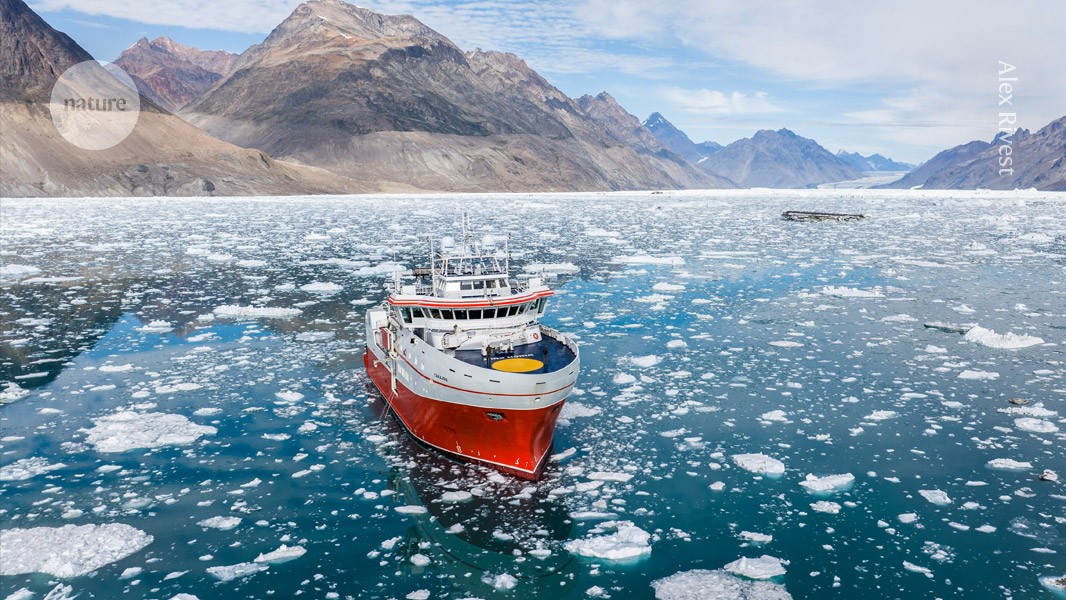
"The streets of Nuuk, Greenland, were bustling in November - not from protests or military exercises, but from scientists who converged on the Arctic island to discuss the cutting-edge research taking place there. The conference, known as Greenland Science Week, had a theme of 'All Eyes on Greenland' - a particularly resonant title following US president Donald Trump's threats to take over the island, which gripped the world over the past week."
"Science in Greenland, also known as Kalaallit Nunaat and currently an autonomous territory of Denmark, is globally important and it is booming. Over the past five years, its government has taken steps to prioritize science, strengthen research infrastructure and bolster collaborations between scientists working there and the international scientific community."
"The history of research in Greenland includes science stemming from Inuit traditional knowledge, European polar explorations and US military expeditions. By the 1990s, the island had become a global centre for climate-change research, after European- and US-led teams drilled ice cores deep into Greenland's ice sheet to reveal past changes in climate,. Today, climate scientists from around the world measure, analyse and predict changes in Greenland's ice sheet. If it were to melt entirely, the ice sheet would raise the global sea level by 7.4 metres; last year, it lost an estimated 129 billion tonnes of ice, and it is responsible for around 20% of current sea-level rise, or about 0.8 millimeter"
Nuuk hosted a major gathering of scientists for Greenland Science Week under the theme 'All Eyes on Greenland' shortly after high-profile geopolitical interest in the island. The United States briefly signalled desire for greater access while ruling out military action, leaving uncertainty about future diplomatic developments. Greenland's government has prioritized science over the past five years, investing in infrastructure and international collaboration. Research draws on Inuit knowledge, polar exploration and military-era studies, and Greenland became a climate-research centre after deep ice-core drilling. The ice sheet's melt drives substantial sea-level rise, having lost about 129 billion tonnes last year and contributing roughly 20% of current rise.
Read at Nature
Unable to calculate read time
Collection
[
|
...
]