#artemis-ii
#artemis-ii
[ follow ]
#nasa #space-exploration #moon-mission #splashdown #orion-spacecraft #astronauts #lunar-mission #space-mission


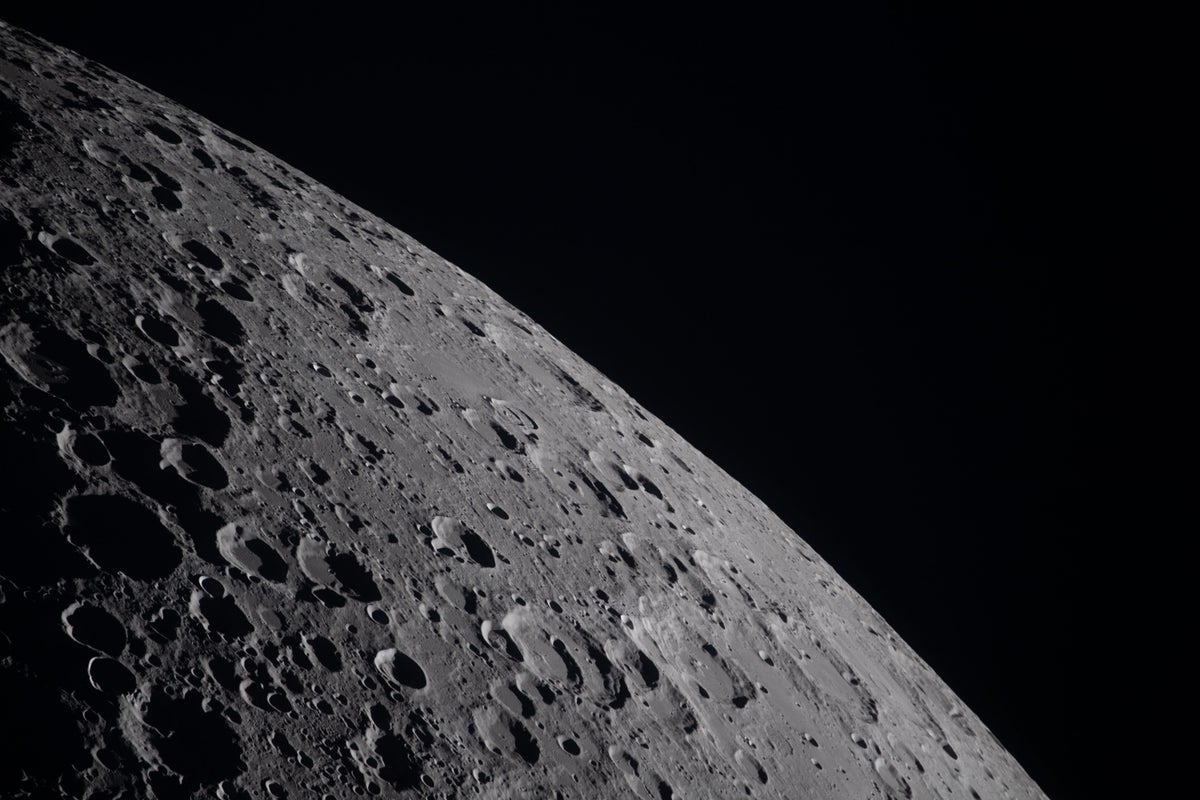



OMG science
fromEngadget
1 week agoNASA's Curiosity rover gets its drill stuck, recordings from the Arctic seafloor and more science stories - Engadget
Curiosity successfully freed a rock stuck on its drill after multiple drilling adjustments, while Artemis II photos and a wasp named Attenboroughnculus tau drew attention.

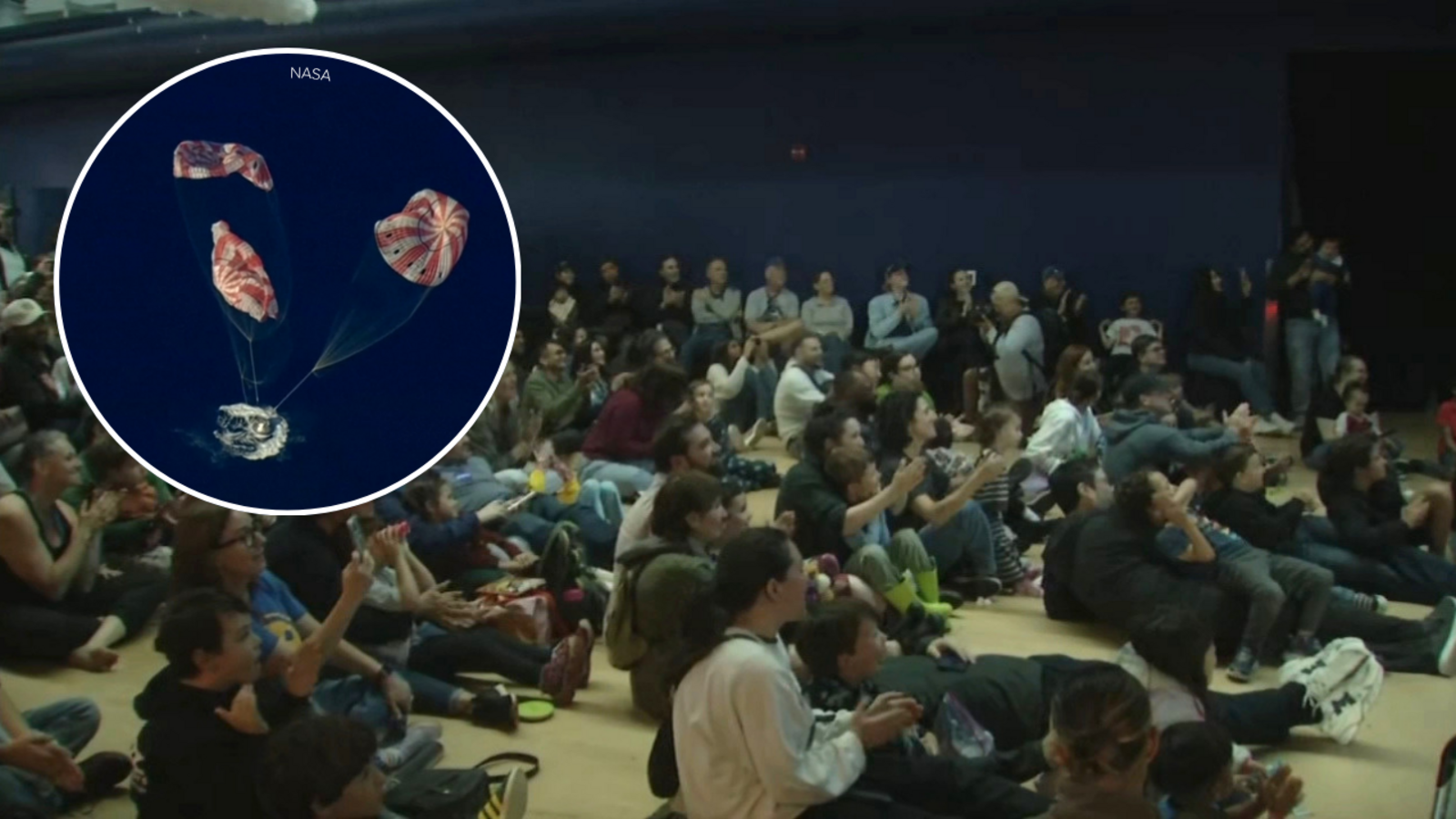
fromEngadget
1 month agoArtemis II commander shares a remarkable video of Earth vanishing behind the Moon
I could barely see the Moon through the docking hatch window but the iPhone was the perfect size to catch the view... This is uncropped, uncut with 8x zoom which is quite comparable to the view of the human eye.
Roam Research
#moon-mission
Science
fromwww.mediaite.com
1 month agoJust This Lifeboat Hanging On': Artemis II Astronauts Speak Of The Humanitarian Lessons Learned in Space
The Artemis II astronauts expressed overwhelming emotions and gratitude after their historic mission around the moon, emphasizing the human experience and connection to Earth.
fromMail Online
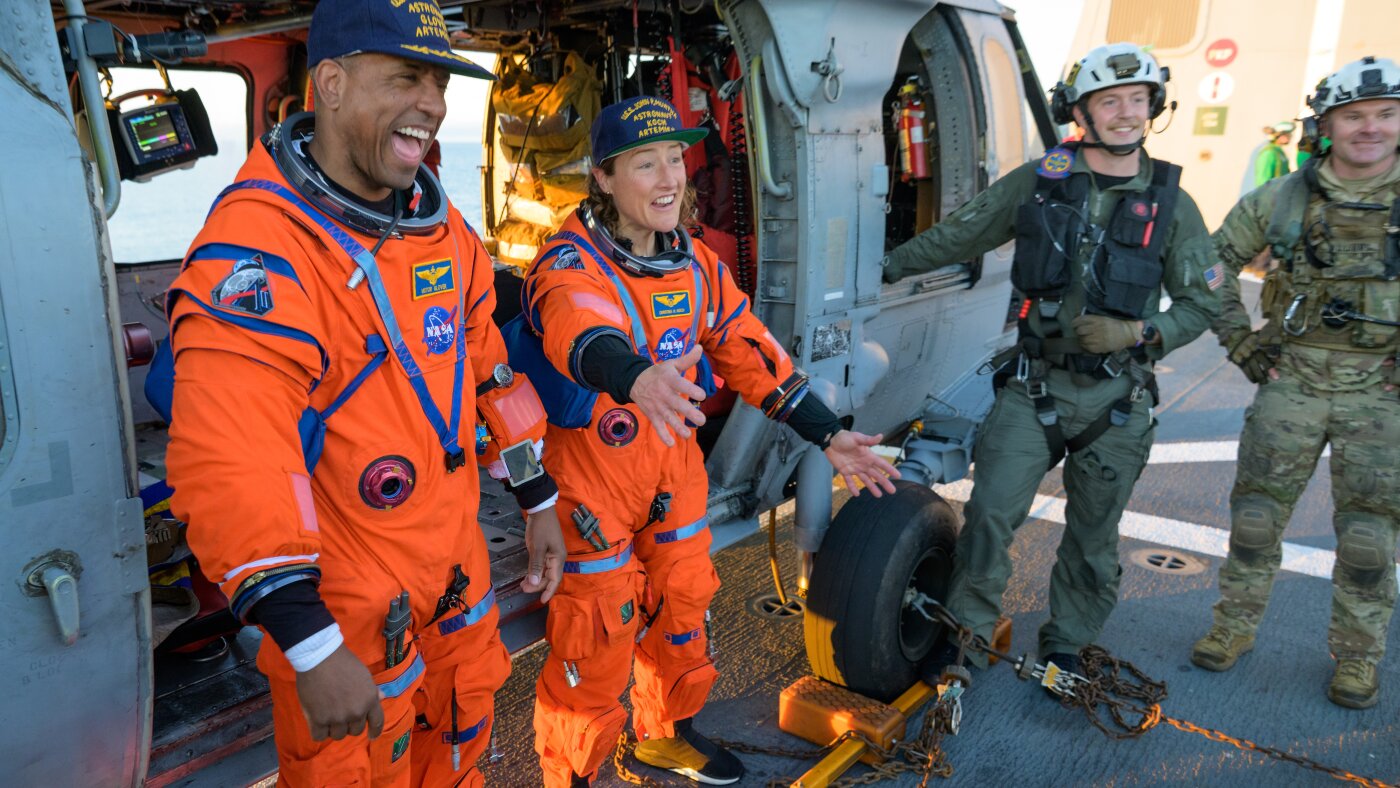
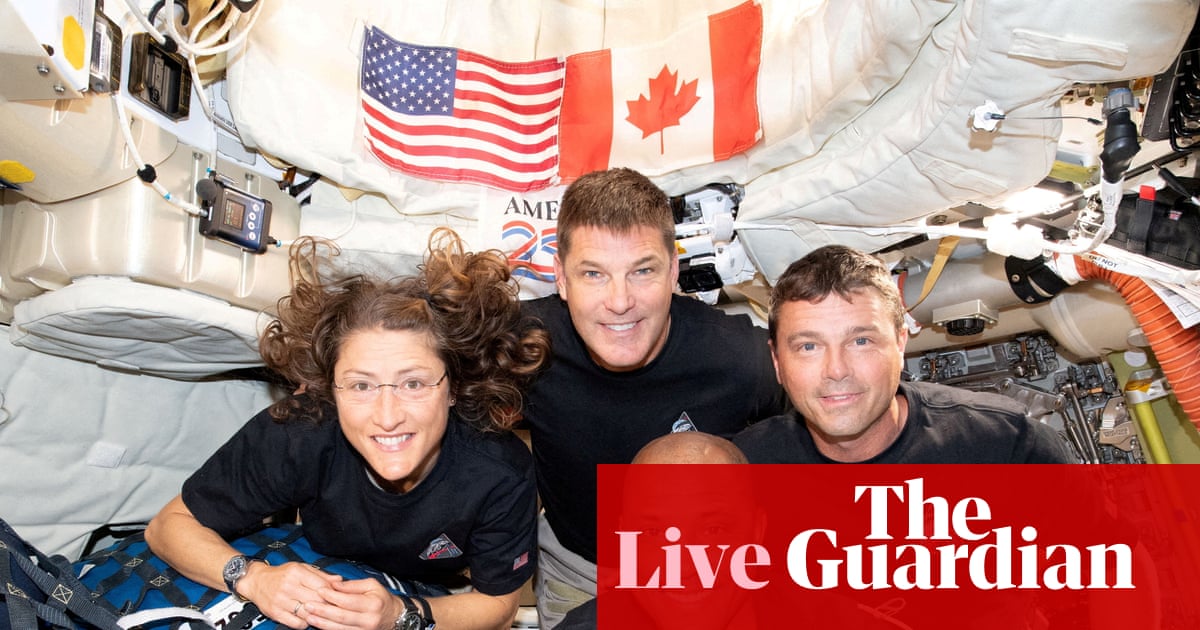
1 month agoArtemis II crew return to Houston and say they are 'bonded forever'
Astronaut Christina Koch stated that she and her crewmates are 'inescapably, beautifully, dutifully linked' after their mission to fly by the moon, emphasizing the strong bond formed during their journey.
Science


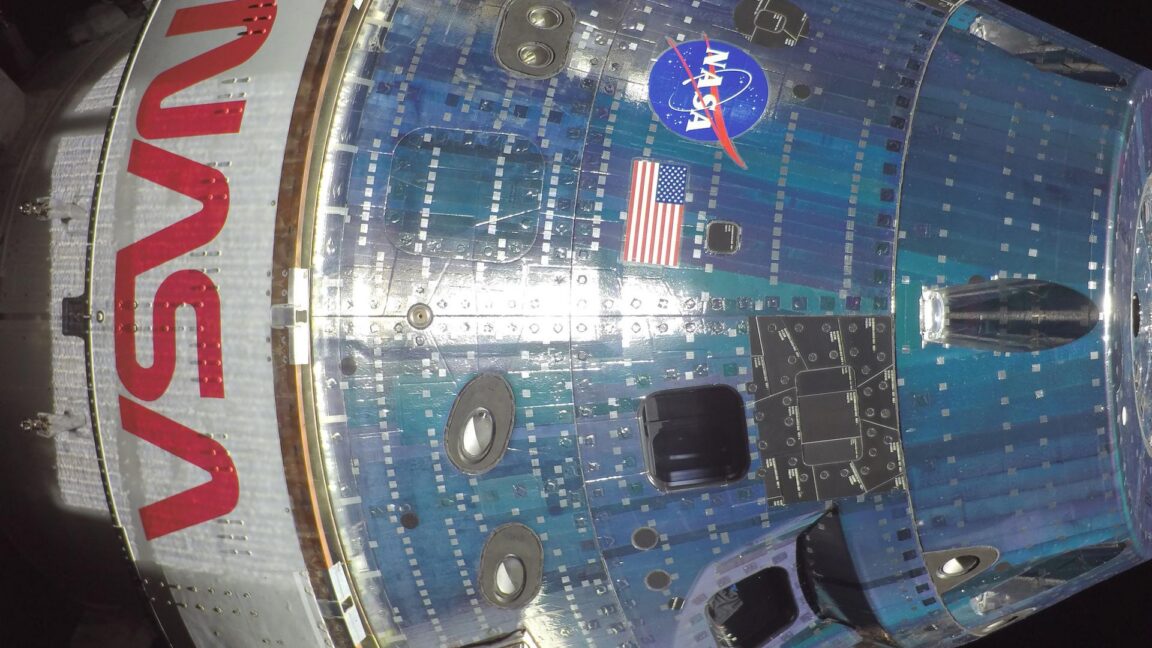



[ Load more ]