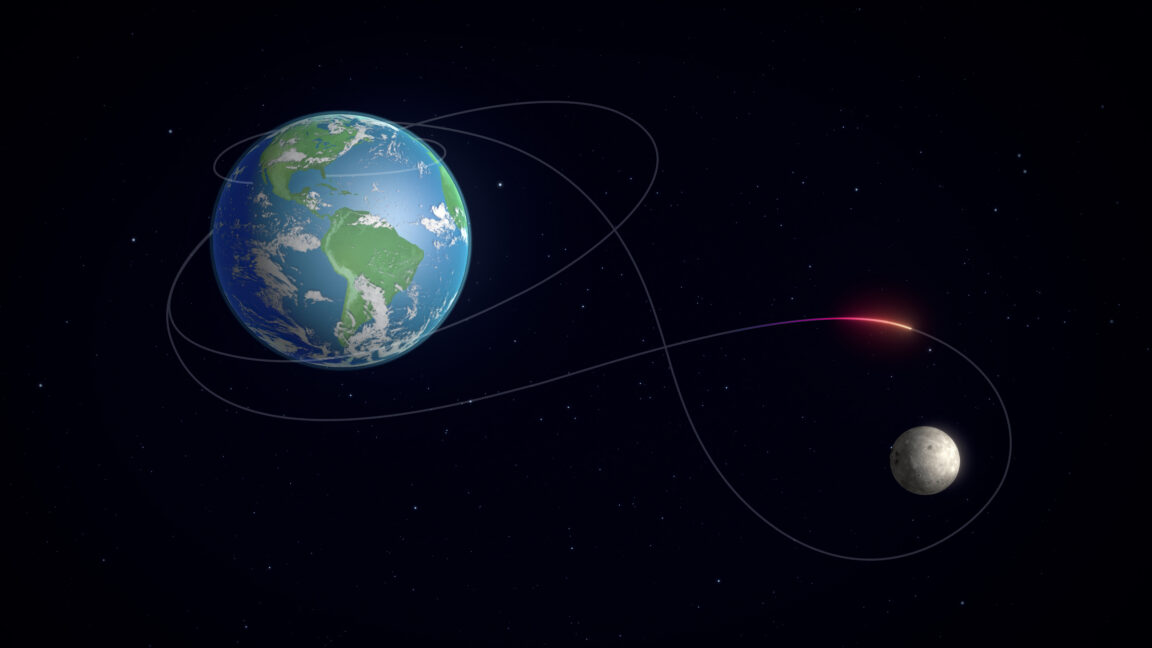
""Putting crew on the rocket and taking the crew around the Moon, this is going be our first step toward a sustained lunar presence," Honeycutt said. "It's 10 days [and] four astronauts going farther from Earth than any other human has ever traveled. We'll be validating the Orion spacecraft's life support, navigation and crew systems in the really harsh environments of deep space, and that's going to pave the way for future landings.""
"'Artemis I was a test flight, and we learned a lot during that campaign getting to launch,' Blackwell-Thompson said. 'And the things that we've learned relative to how to go load this vehicle, how to load LOX (liquid oxygen), how to load hydrogen, have all been rolled in to the way in which we intend to do for the Artemis II vehicle.'"
Artemis II will carry four astronauts on a 10-day mission farther from Earth than any humans, validating Orion life support, navigation, and crew systems in deep space. Technicians will finish checkouts and closeouts at the launch pad before a Wet Dress Rehearsal (WDR), during which the SLS core and upper stages will be loaded with liquid hydrogen and liquid oxygen. Cryogenic propellants, especially liquid hydrogen, caused problems during Artemis I preparations, but engineers resolved issues before the November 2022 launch and integrated lessons for Artemis II. A February 6 launch could be possible if the rehearsal succeeds, but the window is tight and launch opportunities are limited.
Read at Ars Technica
Unable to calculate read time
Collection
[
|
...
]