#dmt-and-psychedelics
#dmt-and-psychedelics
[ follow ]
#mental-health #psychedelics #mindfulness #microdosing #psilocybin #psychedelic-therapy #clinical-trial #alcohol


Silicon Valley
fromBusiness Insider
3 weeks agoMarc Andreessen explains why he won't be jumping on Silicon Valley's ayahuasca trend
Marc Andreessen avoids psychedelics because he has observed tech founders who use them become peaceful but abandon their companies to pursue alternative lifestyles, preferring caffeine as his stimulant instead.
fromYoga Journal
2 weeks agoWTF Is a Wellness Festival? An Antidote to Loneliness, Apparently.
A true wellness gathering is something far more ancient and far more urgent: it's any intentional space where humans are invited to arrive whole, body, mind, spirit, and leave more alive than when they walked in. That's it. That's the whole definition.
Yoga

OMG science
fromwww.scientificamerican.com
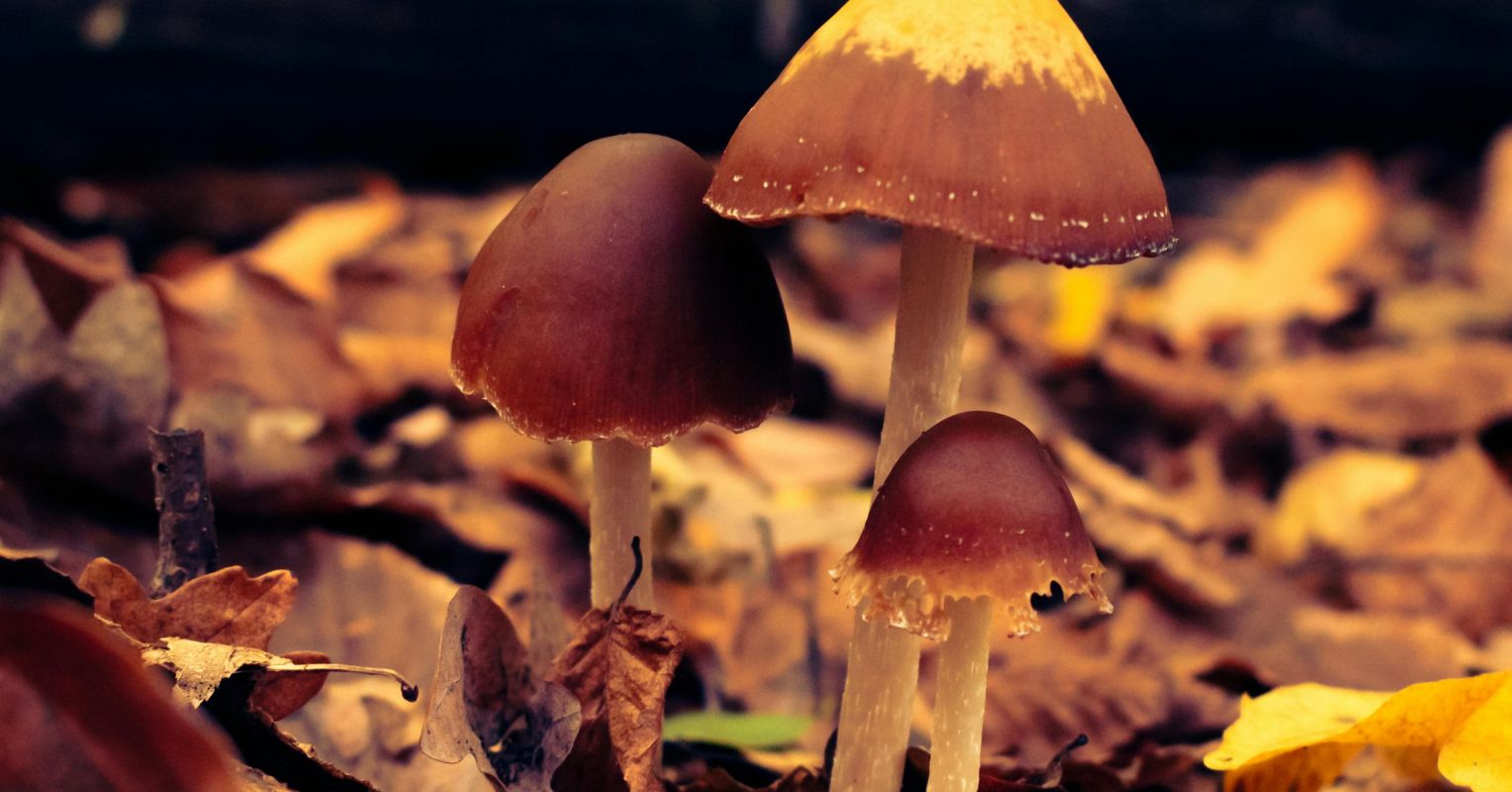
3 weeks agoWhere did magic mushrooms come from? Scientists just got closer to an answer
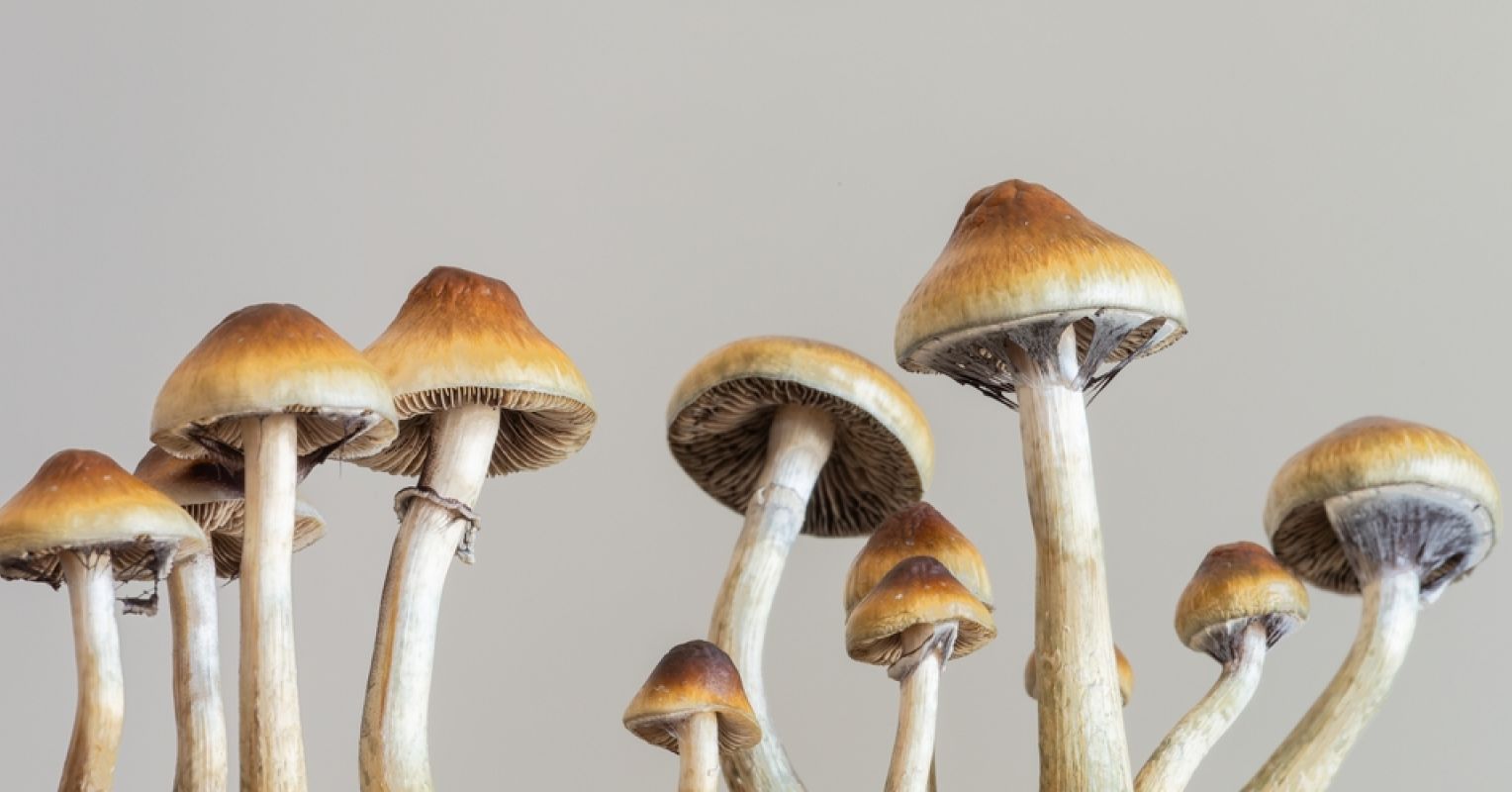
Scientists discovered Psilocybe ochraceocentrata, a new magic mushroom species in Africa that shared a common ancestor with Psilocybe cubensis approximately 1.5 million years ago.
Healthcare
fromPsychology Today
2 weeks agoBuilding a Therapeutic Revolution: Veterans Lead the Way
Therapeutic alliance—the collaborative bond between clinician and patient—extends beyond individual clinical encounters to systemic mental health care structures, particularly for treating complex conditions like PTSD and substance use disorders in veteran populations.
fromPsychology Today
1 week agoPartnership on the Spiritual Path
Devon Hase states, 'People are trying desperately to fix, optimize, or escape their way out of relationship difficulty - and suffering more for the effort. Social media has made this worse! We're surrounded by images of perfect partnerships while quietly drowning in our own ordinary struggles.' This highlights the pressure couples feel in the age of social media.
Mindfulness

fromFuturism
3 weeks agoJudge Rules That Elon Musk's Ketamine Use Is Off Limits
At a Friday hearing in California, US District Judge Yvonne Gonzalez Rogers said that Musk's use of ketamine will be off limits to OpenAI's legal team and its CEO Sam Altman as the case is set to go to trial next month, Bloomberg reports, which will likely save Musk from heaps of further embarrassment.
Cannabis
Medicine
fromwww.npr.org
3 weeks agoSparse evidence for cannabis to treat mental health conditions highlights research gap
A comprehensive review of 45 years of cannabis research finds little to no high-quality evidence supporting marijuana's effectiveness for treating anxiety, depression, or PTSD, despite widespread medical use for these conditions.
fromPsychology Today
1 month agoWhat If You're Fundamentally Not Flawed?
But we are all as an unclean thing, and all our righteousness are as filthy rags; and we all do fade as a leaf; and our iniquities, like the wind, have taken us away. It was bracing language for an 8-year-old. Not only was I unclean, but even my best attempt at goodness was filthy.
Writing
Psychology
fromPsychology Today
1 month agoJourney Through the Wilderness to Freedom
Freedom is an inner psychological journey requiring navigation through wilderness patterns of seduction, denial, delusion, and rationalization, with four primary captors: addiction, false modesty, arrogance, and regression.
Mindfulness
fromwww.theguardian.com
3 weeks agoMy depression felt creatively expansive. Now I've overcome it, how do I keep the meaningful parts? | Leading questions
Depression creates a false sense of depth and truth through darkness, but intensity and authenticity exist equally in joy, love, and light as they do in despair.
fromwww.theguardian.com
1 month agoI'm the psychedelic confessor': the man who turned a generation on to hallucinogens returns with a head-spinning book about consciousness
Several years ago, Michael Pollan had a disturbing encounter. The relentlessly curious journalist and author was at a conference on plant behaviour in Vancouver. There, he'd learned that when plants are damaged, they produce an anaesthetising chemical, ethylene. Was this a form of self-soothing, like the release of endorphins after an injury in humans? He asked Frantisek Baluska, a cell biologist, if it meant that plants might feel pain. Baluska paused, before answering: Yes, they should feel pain.
Philosophy
fromPsychology Today
1 month agoSmoking Fentanyl, Cannabis, Methamphetamine, or Tobacco
Some experts have mischaracterized smoking fentanyl as "safer" than injecting, seeking to reduce risks among users. Narrowly considered, the statement is accurate, as inhalation avoids needle-sharing, reducing risks for HIV, hepatitis C, bacteremia, abscess formation, and infective endocarditis among users. However, there's no clinical-trial-level evidence (randomized trials with real patients) showing smoking illicit fentanyl is safer than injecting it. It isn't, and that conclusion is unsupported by toxicology, environmental exposure science, or emerging data.
Public health
fromPsychology Today
1 month agoThe Way to a Healthy Mind
Human psychology is characterized by a paradoxical structure: The same species that wages war, destabilizes ecosystems, and creates collective threats also develops moral systems, empathic abilities, cultural innovations, and an increasing desire for internal harmony. In my previous post, I explored the possibility to transcend our paradoxical nature through learning. This contribution focuses on learning to see through the nature of our vulnerability.
Psychology
fromSlate Magazine
2 months agoHer Fiance Died in an Avalanche. She Found a Miraculous Cure for Her Grief. Then She Learned the Truth.
Every time Elizabeth Lamphere looked at her daughter, all she saw was her late fiancé. Ian had died in an avalanche while skiing in the Colorado backcountry when Madelyn was just a baby. The tragedy had plunged Lamphere into single parenthood, changing diapers, making meals, doing the bedtime routine all by herself, all while trying to bring in what money she could as a massage therapist.
Medicine
fromSocial Media Explorer
1 month agoDo Mental Health Retreats Allow Social Media Access? - Social Media Explorer
The question of whether mental health retreats allow social media access does not have a universal answer. Different facilities approach digital connectivity in varying ways, reflecting their treatment philosophies and therapeutic goals. Most mental health retreats limit or completely restrict social media use during the initial phases of treatment, though specific policies can range from total digital detox to supervised access at designated times.
Mental health
fromFuturism
2 months agoStrange Mushroom Makes You See Tiny People Chilling on Every Surface
"At a mushroom hot pot restaurant there, the server set a timer for 15 minutes and warned us, 'Don't eat it until the timer goes off or you might see little people,'" University of Utah doctoral candidate in biology Colin Domnauer told the broadcaster.
Medicine
fromPsychology Today
1 month agoHigher States of Consciousness
A few years ago, I climbed over a gate and found myself gazing down at a valley. After I'd been walking for a few minutes, looking at the fields and the sky, there was a shift in my perception. Everything around me became intensely real. The fields and the bushes and trees and the clouds seemed more vivid, more intricate and beautiful.
Mindfulness
fromPsychology Today
2 months agoThe Moment You're In Matters More Than the One You Remember
One of my earliest cognitive therapy patients asked if we'd spend time exploring his past. He thought we might find patterns that would explain his depression. I was taken aback. I had just discovered a set of powerful, active techniques that helped people change how they felt in the here-and-now. As a psychiatric resident, I had seen that endless venting without specific techniques for change led to little or no relief.
Mental health
[ Load more ]