"The most surprising finding is that, despite the discrepancies in the pharmacology and the pharmaco-physiological properties of these drugs, there is a common denominator of how they affect the human brain."
"This is a first step towards correcting that limitation. Most neuroimaging studies of psychedelic drugs have recruited a limited number of participants."
"Understanding how these substances affect the brain will inform future drug design for this potentially very important category of drugs for the future of mental health."
"The scientific evidence is very fragmented, very nascent with a lot of potential, but not very clear."
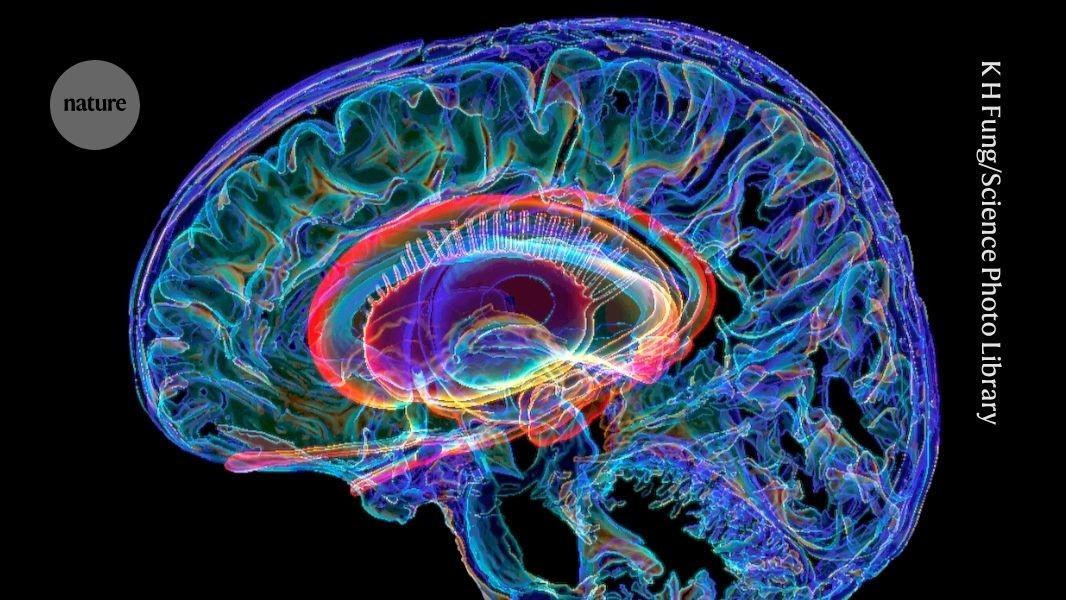
A comprehensive analysis reveals that various psychedelics, including psilocybin, LSD, and ayahuasca, produce a similar brain activity pattern. This study, the largest of its kind, combines data from 11 brain-imaging studies involving over 500 scans of 267 individuals. Despite differences in their pharmacology, these substances share a common effect on the brain, prompting questions about their classification. Understanding these effects could enhance future drug design for mental health treatments, addressing conditions like depression and anxiety.
Read at Nature
Unable to calculate read time
Collection
[
|
...
]