#discard-strategies
#discard-strategies
[ follow ]


#sustainability




Design
fromYanko Design - Modern Industrial Design News
2 days agoEverything in 2026 Is Disposable - Here's 5 Sustainable Trends Are Designed to Last Centuries - Yanko Design
Sustainability in 2026 emphasizes permanence, focusing on materials that last and promote ecological responsibility through architectural endurance.
#waste-management
UK politics
fromwww.independent.co.uk
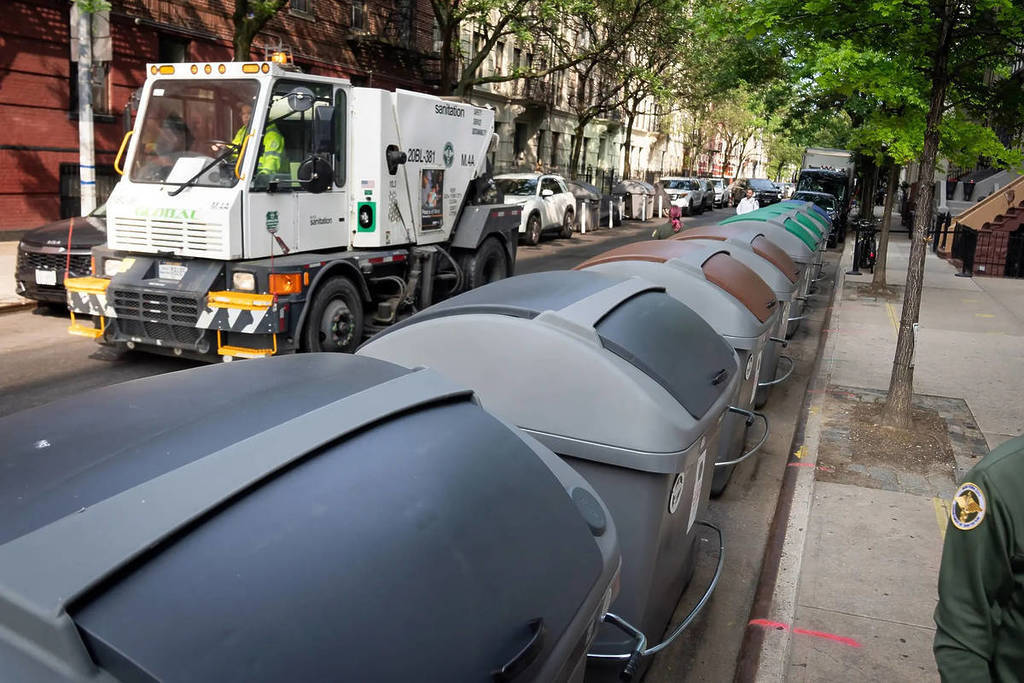
3 weeks agoMillions of households now have easier' recycling rules
New waste and recycling rules in England aim to standardize collections and improve recycling efficiency.
fromEarth911
2 months agoEnvironment
Sustainability In Your Ear: CurbWaste's Mike Marmo Is Building the Waste Logistics Layer of the Circular Economy
CurbWaste is building a digital operating system for independent haulers to capture per-load, chain-of-custody data and enable a circular economy through material visibility.
fromwww.bbc.com
1 month agoEnvironment
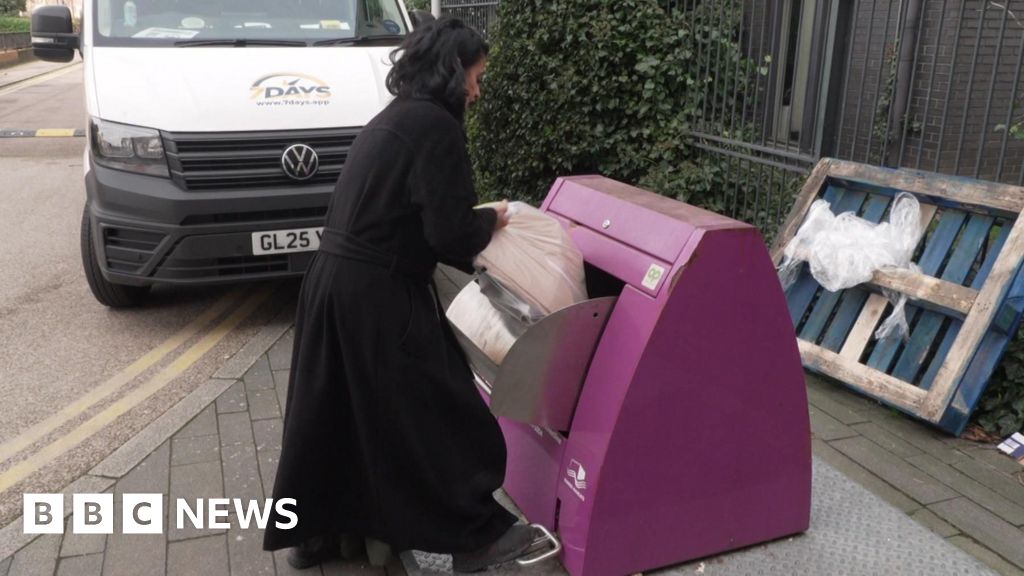
'It's a nightmare' - The London borough with England's lowest recycling rate
Tower Hamlets residents face confusing and inefficient waste management systems, with limited food waste recycling and complicated procedures for disposing of recyclables in multi-unit buildings.

Psychology
fromSilicon Canals
6 days agoPsychology says people who grew up poor in the 1960s and 70s develop a specific relationship to waste - they can't throw away a half-used candle or a rubber band or a piece of foil, not from habit, but because their nervous system still treats abundance as temporar - Silicon Canals
Scarcity during childhood shapes the brain's stress-response architecture, leading to lasting changes in emotion regulation and threat detection.



fromTNW | Startups-Technology
3 weeks agotozero launches Europe's first industrial battery recycling plant
tozero's proprietary acid-free hydrometallurgical process runs in a single cycle and produces materials pure enough to feed directly back into battery cell manufacturing without further refinement.
Germany news
fromEarth911
3 weeks agoThe State of Polystyrene Recycling In 2026
The #6 symbol on the foam container only tells you what kind of plastic it is, not if it can be recycled. If you put it in the bin just because you see a number and the recycling arrows, it can actually contaminate your other recyclables, like paper, cardboard, and aluminum, and might cause the whole batch to be rejected.
SF food
fromArchDaily
4 weeks agoDesigning for Obsolescence in an Age of Perpetual Upgrades
In the nineteenth century, entire railway networks became obsolete almost overnight, not due to physical deterioration, but because of changes in the technical standards that supported them. The expansion of railroads across Europe and North America adopted different track gauges, and as a dominant standard gradually emerged, these infrastructures became incompatible with one another.
Renovation
fromEarth911
1 month agoIs Shredded Paper Recyclable?
Shredded paper is especially difficult to recycle, so many programs will not accept it. Shredding accelerates fiber shortening and lowers the paper grade from high-grade to mixed-grade. Mixed-grade paper is still recyclable, but it ends up baled and processed into products like paper towels and packing paper.
Portland
Agriculture
fromEarth911
1 month agoConvenience Comes at the Environment's Expense
Fast delivery convenience carries significant environmental costs through packaging waste, carbon emissions, and resource consumption, but individual yard management choices can meaningfully reduce environmental impact at a local scale.


Miscellaneous
fromwww.theguardian.com
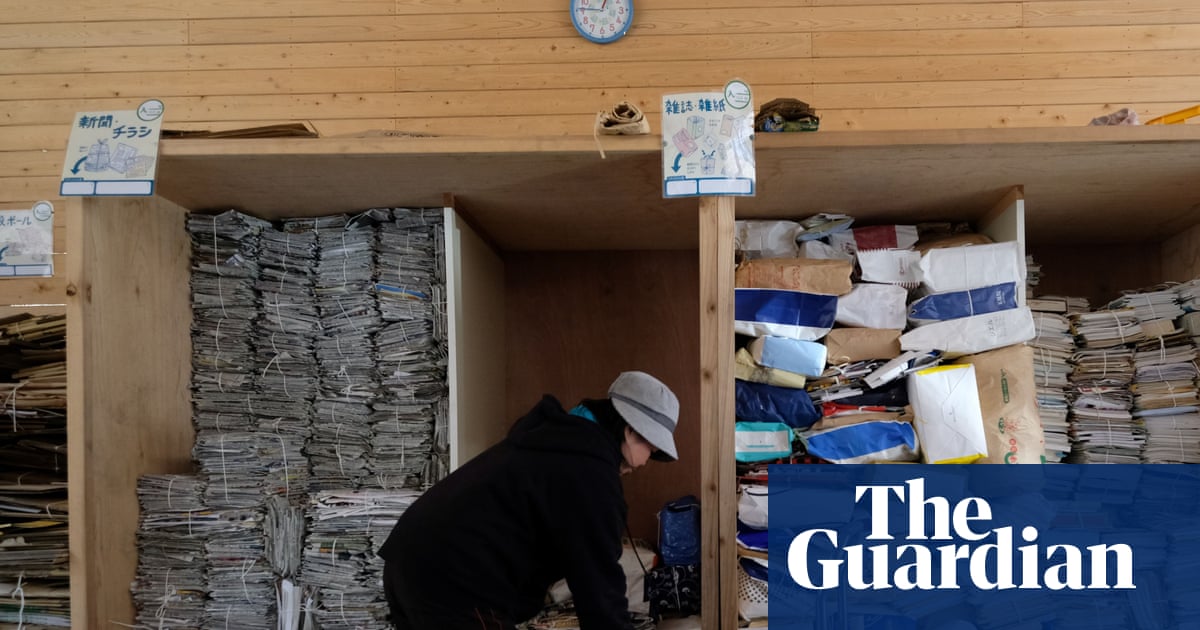
1 month agoA delightful day at the dump: The trick is not to leave with more stuff than I arrived with!'
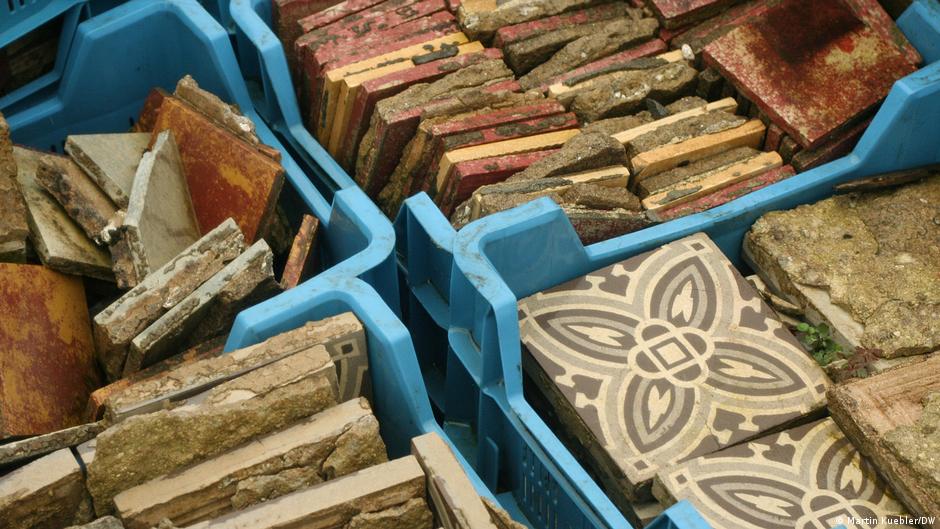
A recycling centre's ReUse shop in London salvages discarded items including unusual specimens like embalmed animals, vintage furniture, and antiques to resell rather than send to landfill.
Environment
fromEarth911
1 month agoHow You Can Help Keep Recycling Workers Safe
Recycling reduces waste and resource extraction, but material recovery facility workers face significant safety hazards, with nine deaths in 2023 and waste collection ranking as the fourth most dangerous job in the United States.
fromTasting Table
1 month agoThat Empty Potato Chip Bag Probably Doesn't Belong In Your Recycling Bin - Tasting Table
While you might assume that potato chip bags or other snack bags are recyclable, most are made from mixed materials. This means that the bags may contain plastic on the outside and an inner lining of plastic and aluminum film or foil. While the individual materials may be recyclable on their own, the only way they could be used is if the recycling facility has the means by which to separate the materials.
SF food
fromEarth911
1 month agoHow to Recycle or Dispose of Single-Use Alkaline Batteries
Never place batteries of any type in your curbside recycling bin. Batteries can damage recycling equipment and, if lithium batteries are mixed in, cause fires. Always use designated battery collection programs.
Environment
fromEarth911
1 month agoWhat Can You Do With Your Old Electrical Wires and Cables?
According to the UN's Global E-waste Monitor 2024, a record 62 million metric tons of electronic waste was generated worldwide in 2022, an 82% increase since 2010. E-waste is projected to reach 82 million metric tons by 2030. In the U.S. alone, roughly 8 million tons of e-waste is discarded each year.
Environment
fromwww.theguardian.com
2 months agoRecycled plastic packaging claims are misleading, say experts
Europe's supermarket shelves are packed with brands billing their plastic packaging as sustainable, but often only a fraction of the materials are truly recovered from waste, with the rest made from petroleum. Brands using plastic packaging from Kraft's Heinz Beanz to Mondelez's Philadelphia use materials made by the plastic manufacturing arm of the oil company Saudi Aramco. The Saudi state-owned holding opposes production cuts under the UN plastic treaty and is the world's largest corporate greenhouse-gas emitter (over 70m tonnes up to 2023).
Environment
fromEarth911
2 months agoEarth911 Inspiration: Waste Can End With You
We can make changes to reduce our waste by precycling when we shop, reducing what we purchase, reusing items to get the most use out of them, and recycling when possible. But when we have items to throw away, please dispose of trash responsibly and don't litter. Let's reduce our waste and clean up our planet. It's our only home.
Environment

fromEarth911
2 months agoGuest Idea: 7 Solutions to Give Your Old Sunglasses a Second Life
Just like that coffee cup, eyewear is a complex fusion of materials. Metal hinges are screwed into polymer frames, which hold chemically-coated lenses. This mix of metals, plastics, and coatings means standard sorting machines cannot process them. As a result, they are rejected as contamination and sent directly to landfills, where they contribute to non-biodegradable waste. Unlike a disposable paper cup, however, a pair of sunglasses is built for durability. Its high-quality components make it a perfect candidate for repair, reuse, or reinvention.
Environment
[ Load more ]