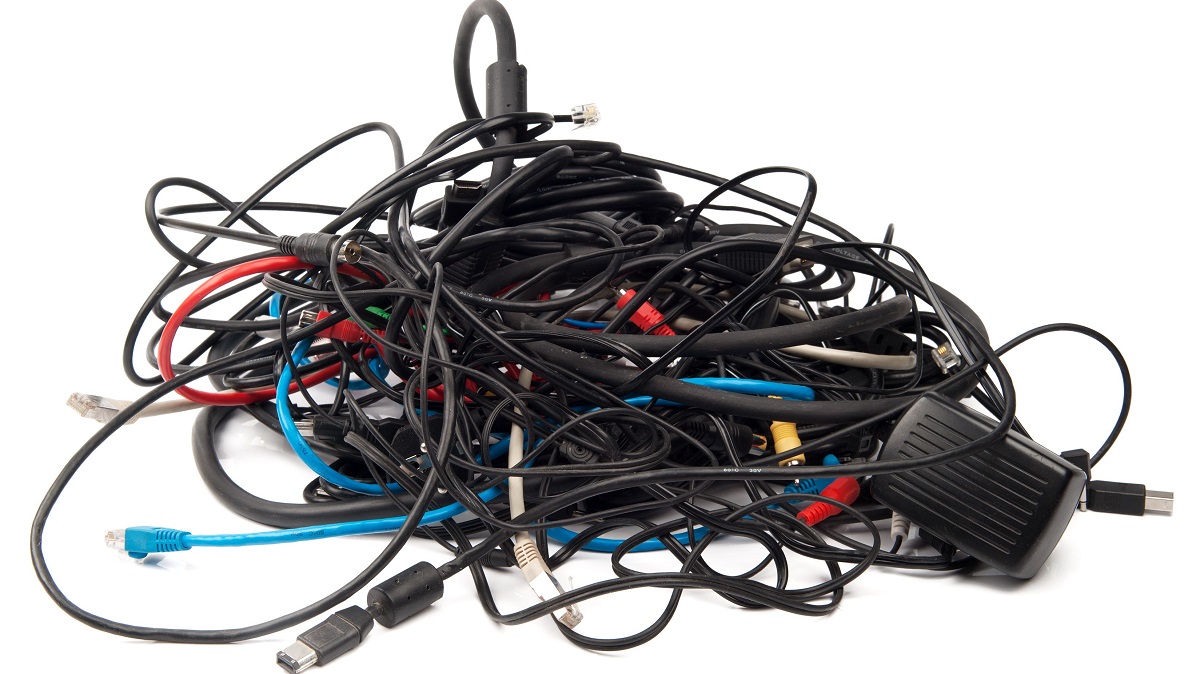
"According to the UN's Global E-waste Monitor 2024, a record 62 million metric tons of electronic waste was generated worldwide in 2022, an 82% increase since 2010. E-waste is projected to reach 82 million metric tons by 2030. In the U.S. alone, roughly 8 million tons of e-waste is discarded each year."
"The plastic coating on wires and cables, which can cause environmental harm, is commonly made of polyethylene or polyvinyl chloride (PVC). When exposed to extreme heat and other environmental conditions in a landfill, the plastic coating can release harmful contaminants like lead and dioxins into the environment."
"Power cords and extension cords are classified as 'tanglers' by recycling programs, because they can jam sorting equipment, causing worker injuries and costly maintenance. They should never go in your curbside recycling bin."
Electronic waste generation has surged dramatically, with 62 million metric tons produced globally in 2022, representing an 82% increase since 2010. The U.S. discards approximately 8 million tons annually. Electrical wires, cables, and charging cords constitute significant e-waste components. These materials must be kept from landfills because plastic coatings made of polyethylene or PVC release harmful contaminants like lead and dioxins when exposed to extreme heat. Power cords jam recycling equipment, causing injuries and maintenance costs, making them unsuitable for curbside bins. Multiple responsible disposal options now exist, including retail drop-off programs at major chains like Best Buy, which has recycled over 2.7 billion pounds of electronics since 2009.
#e-waste-recycling #electrical-cables-disposal #environmental-contamination #sustainable-waste-management
Read at Earth911
Unable to calculate read time
Collection
[
|
...
]