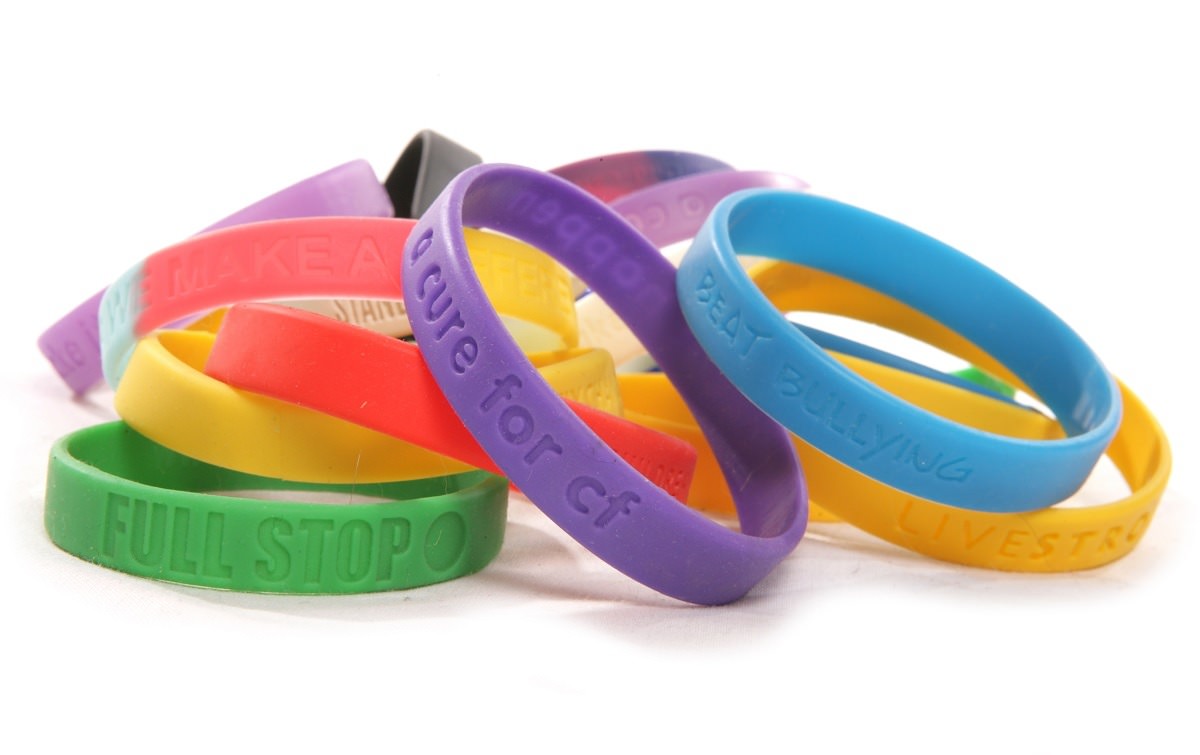
"Silicone is now found in many homes, but recycling it can be tricky. It's used in everything from food storage bags and baking mats to baby bottle nipples, kitchen tools, and medical devices. Its durability helps reduce single-use plastics, but when these items wear out, finding a way to recycle them isn't always easy. If you still have colored silicone wristbands from the charity bracelet craze of the 2000s, you're in good company."
"Silicone shares some traits with plastic, but it's actually a type of rubber made in a different way. To make silicone, manufacturers extract silicon from quartz, then combine it with fossil-fuel hydrocarbons to form a strong polymer. This makes silicone almost indestructible, so it doesn't break down or decompose. Even though silicone can be recycled, you can't just put it in your regular recycling bin, even if your service accepts many types of plastic."
Silicone is widely used in homes for food storage bags, baking mats, baby bottle nipples, kitchen tools, medical devices, and colored wristbands. Its durability helps reduce single-use plastics but also makes end-of-life disposal difficult because silicone does not break down or decompose. Manufacturers produce silicone by extracting silicon from quartz and combining it with fossil-fuel hydrocarbons to form a strong polymer. The global silicone market is roughly $22 billion with about 3.6 million metric tons produced annually. Silicone generally cannot be placed in regular curbside recycling. Mail-in recycling programs now accept many food-grade silicone items, including cups, lids, straws, and kitchen tools.
Read at Earth911
Unable to calculate read time
Collection
[
|
...
]