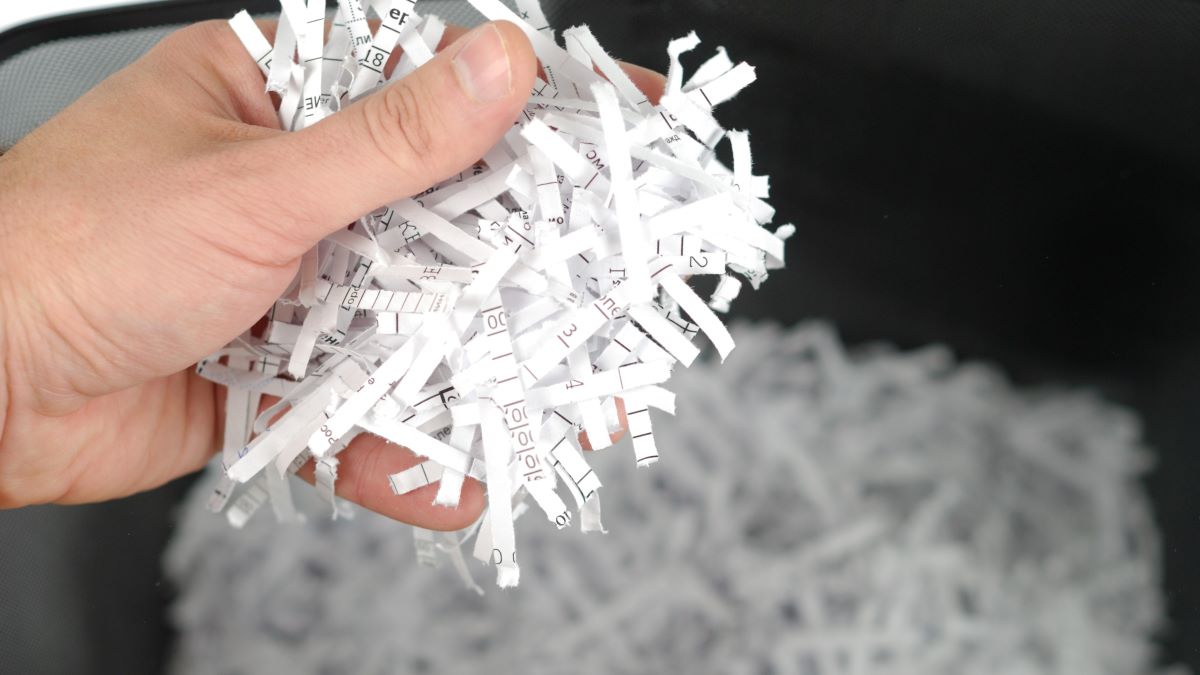
Shredded paper presents unique recycling challenges despite paper being one of America's most recycled materials. Shredding accelerates fiber degradation, converting high-grade paper into mixed-grade material suitable only for lower-value products like paper towels. The small piece size causes operational problems at material recovery facilities, where loose shreds jam optical scanners and contaminate other material streams. Consequently, most recycling programs either reject shredded paper or require it to be bagged separately. Recent regulatory changes, particularly Oregon's Plastic Pollution and Recycling Modernization Act effective July 2025, have removed shredded paper from curbside collection in several counties, though new dedicated recycling centers are being established as alternatives.
"Shredded paper is especially difficult to recycle, so many programs will not accept it. Shredding accelerates fiber shortening and lowers the paper grade from high-grade to mixed-grade. Mixed-grade paper is still recyclable, but it ends up baled and processed into products like paper towels and packing paper."
"The smaller piece size creates real problems at material recovery facilities (MRFs). Loose shreds fall through sorting screens, jamming optical scanners that need a minimum piece size to identify materials correctly. Shredded paper often contaminates glass, plastic, and other streams. That's why most programs require you bag shredded paper if they accept shredded paper at all."
"Starting July 1, 2025, Oregon residents saw a change. Under Oregon's Plastic Pollution and Recycling Modernization Act, shredded paper will no longer be accepted in curbside bins in counties like Clackamas. However, new recycling centers are being set up to take shredded paper."
#shredded-paper-recycling #material-recovery-facilities #recycling-policy-changes #fiber-degradation #curbside-collection
Read at Earth911
Unable to calculate read time
Collection
[
|
...
]