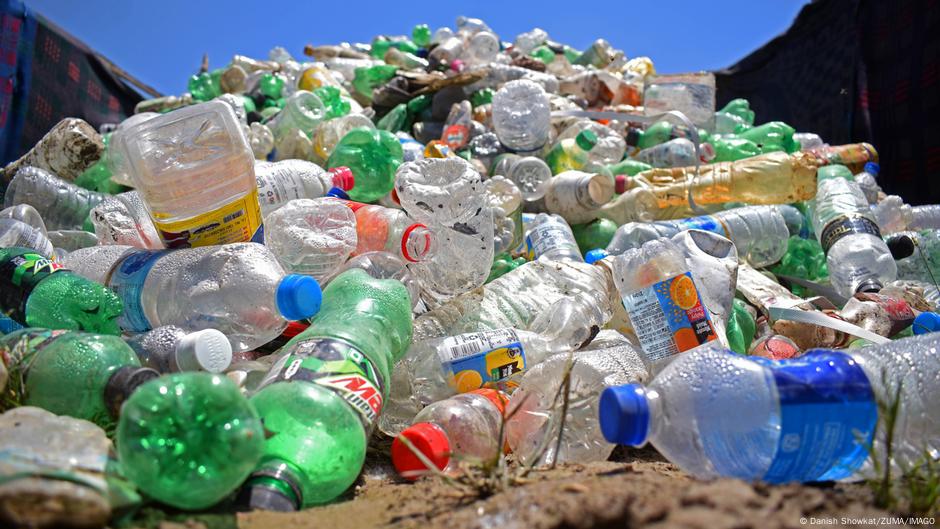
"Plastic is everywhere. Inside the human body, in the depths of the ocean and the far reaches of the Arctic. Now a new study warns that, unless the world changes course, plastic could more than double its damage to human health within the next two decades. The culprit is not plastic litter in the environment or microplastics, but the emissions released across plastic's entire life cycle from fossil fuel extraction and manufacturing to transport, recycling and disposal."
"Plastics 99% of which are manufactured from fossil fuels have become nearly unavoidable. The material is used in everything from packaging, furniture and clothing to construction materials, medical devices, and tires. Overall, the study published in The Lancet Planetary Health estimates such emissions could slash 83 million years of healthy population life between 2016 and 2040. Plastic: A convenient but highly polluting material"
"The new study says it is the first to estimate the number of healthy years of life lost due to the life cycle of plastics. That includes greenhouse gases from oil and gas extraction, fine particulate matter released during production and transport, and toxic chemicals emitted during manufacturing, recycling or waste disposal. These pollutants harm health directly for example, by contributing to respiratory and cardiovascular disease and indirectly, by contributing to climate change and its health impacts."
"In the US state of Louisiana, a stretch of more than 200 petrochemical plants involved in plastic production has been dubbed "Cancer Alley," with recent research suggesting the cancer risk in the area is 11 times higher than government estimates. Yet production there and elsewhere is ramping up. According to projections by the OECD, global plastic consumption could nearly triple by 2060."
Emissions across the full life cycle of plastics—from fossil fuel extraction and manufacturing to transport, recycling and disposal—drive major health harms. Greenhouse gases, fine particulate matter and toxic chemicals contribute directly to respiratory, cardiovascular disease and cancer, and indirectly via climate change. Plastics are overwhelmingly manufactured from petroleum and natural gas and are used widely in packaging, clothing, construction, medical devices and tires. Emissions could slash 83 million years of healthy population life between 2016 and 2040. Petrochemical production is expanding, with areas such as a Louisiana corridor facing greatly elevated cancer risk. Global plastic consumption could nearly triple by 2060, raising emissions further.
Read at www.dw.com
Unable to calculate read time
Collection
[
|
...
]