#china-yuan
#china-yuan
[ follow ]
#treasury-yields #china #iran-war #dollar-index #inflation #us-china-relations #us-dollar #monetary-policy
#dollar-index
US Elections
fromLondon Business News | Londonlovesbusiness.com
1 day agoDollar edged higher amid geopolitical uncertainty and Fed outlook - London Business News | Londonlovesbusiness.com
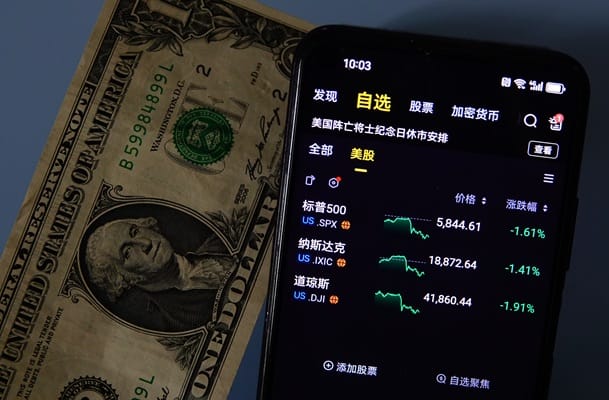
The dollar index rose slightly amid US-Iran negotiations, with markets anticipating volatility and a prolonged pause in interest rates.

US Elections
fromLondon Business News | Londonlovesbusiness.com
1 day agoDollar edged higher amid geopolitical uncertainty and Fed outlook - London Business News | Londonlovesbusiness.com
The dollar index rose slightly amid US-Iran negotiations, with markets anticipating volatility and a prolonged pause in interest rates.
#us-dollar


US Elections
fromLondon Business News | Londonlovesbusiness.com
2 weeks agoUS dollar rose amid a rebound in geopolitical concerns - London Business News | Londonlovesbusiness.com
The US dollar strengthened due to geopolitical fears and better-than-expected economic data, while uncertainty keeps market volatility high.



fromThe Atlantic
6 days agoA Pillar of the Economics Establishment Admits That It Was Wrong
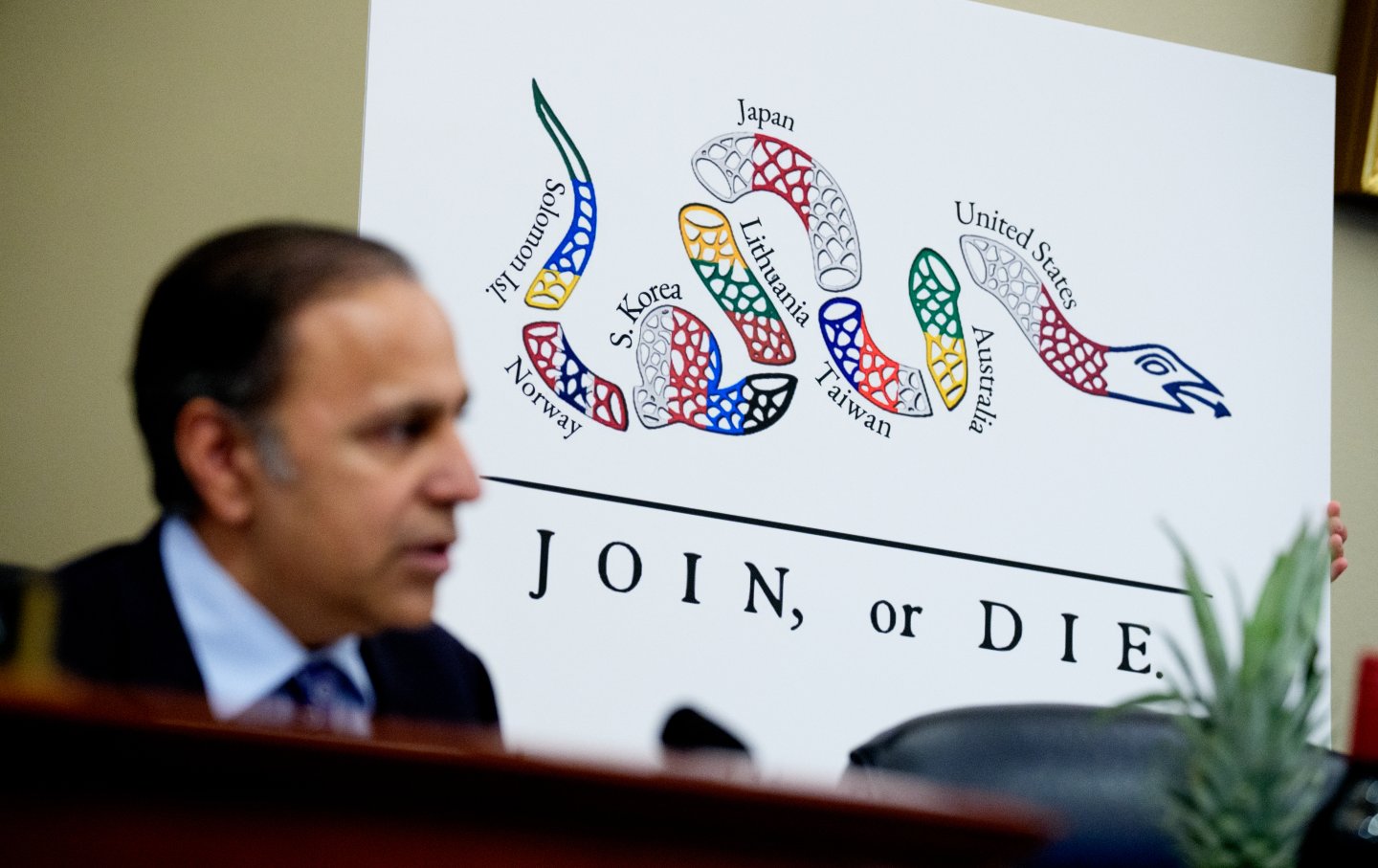
The World Bank's recent report argues that government intervention, when done right, can actually be an essential ingredient of economic success, reversing decades of opposition to industrial policy.
World politics
#us-foreign-policy
World politics
fromFortune
1 week agoThe petrodollar faces increased risk, but a petroyuan is 'far-fetched' as fears of U.S. losing superpower status are overhyped, strategist says | Fortune
Trump's conflict with Iran raises questions about U.S. superpower status, but predictions of decline are considered premature by some analysts.

World politics
fromFortune
1 week agoThe petrodollar faces increased risk, but a petroyuan is 'far-fetched' as fears of U.S. losing superpower status are overhyped, strategist says | Fortune
Trump's conflict with Iran raises questions about U.S. superpower status, but predictions of decline are considered premature by some analysts.
World news
fromLondon Business News | Londonlovesbusiness.com
2 weeks agoDollar holds firm amid ongoing geopolitical uncertainty - London Business News | Londonlovesbusiness.com
The dollar remains stable amid geopolitical tensions, with demand as a safe-haven asset and rising Treasury yields supporting its value.
London startup
fromBusiness Matters
1 month agoCan the New Trade Agreement Between the UK and China Spur Business Activity in the UK: The Businesses' Perspective in 2026
UK Prime Minister Keir Starmer's January 2026 visit to China established trade agreements aimed at boosting economic growth, expanding market access, and creating investment opportunities for British companies across multiple sectors.
fromApaonline
1 month agoThe Paradox of China's Crypto Regulation and Capital Going Global (Part 1)
The meeting made clear, based on the requirements set out in the 2021 joint notice issued by ten government agencies, that stablecoins are considered a form of virtual currency. At present, they cannot adequately meet requirements for customer identification, anti-money-laundering compliance, or related regulatory standards. They also carry significant risks of being used for money laundering, fraudulent fundraising, and illegal cross-border capital transfers.
Philosophy
#us-dollar-index
Business
fromLondon Business News | Londonlovesbusiness.com
1 month agoWhere is the US Dollar Index heading amid rising bond yields? - London Business News | Londonlovesbusiness.com
The US Dollar Index strengthens due to Federal Reserve's hawkish stance, elevated Treasury yields, and geopolitical tensions, with limited rate cuts expected through 2027.
Business
fromLondon Business News | Londonlovesbusiness.com
1 month agoUS dollar index (DXY) below 100 points - London Business News | Londonlovesbusiness.com
The US Dollar Index retreated below 100 to 98.90, indicating fading momentum from safe-haven flows as markets reprice geopolitical risks more calmly.


fromLondon Business News | Londonlovesbusiness.com
3 weeks agoUS dollar stable near recent highs - London Business News | Londonlovesbusiness.com
Escalating geopolitical risk continued to dominate global markets' concerns, with safe-haven demand keeping the dollar index anchored near a multi-week high.
World politics
fromFortune
3 weeks agoDollar dominance is reinforced by the global oil trade, but the Iran war could give rise to the 'petroyuan' as U.S. security shield weakens | Fortune
The world saves in dollars in large part because it pays in dollars. The dollar's dominance in cross-border trade is arguably built on the petrodollar: globally traded oil is priced and invoiced in USD.
World politics

fromBusiness Insider
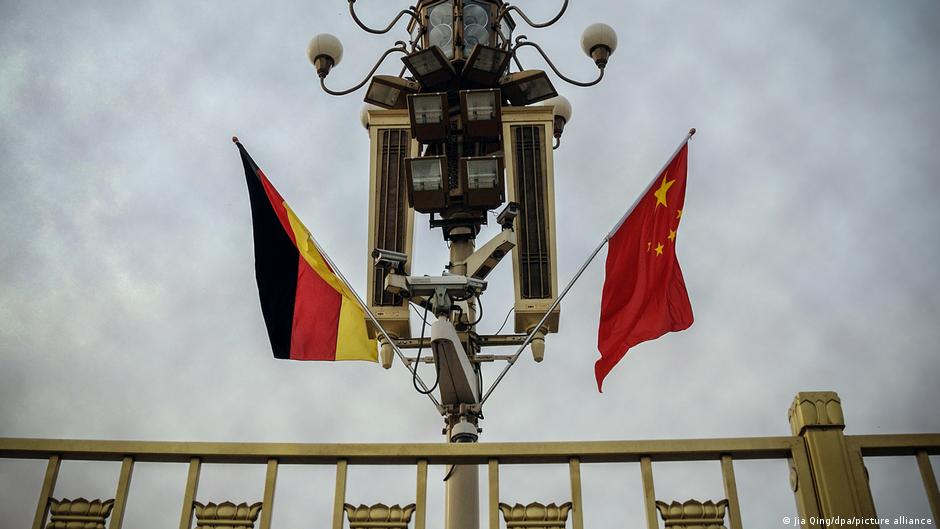
2 months agoChina's AI push is about spreading economic gains, not enriching tech giants, a finance CEO says
Open source - that might be the clearest signal of how China wants artificial intelligence to reshape its economy. Hisham Alrayes, the group CEO of Bahrain-based GFH Financial Group, said China is prioritizing open models and broad deployment to spread AI's gains across the economy, instead of funneling them to a few tech giants. Speaking at a Davos panel on China's "AI+ Economy" strategy on Wednesday, Alrayes said the country's approach reflects a fundamentally different economic philosophy.
Artificial intelligence
Social media marketing
fromThe Drum
2 months agoShe Power: Harnessing the unstoppable spending power of female Chinese consumers
Chinese women drive consumer spending, controlling three-quarters of household purchases; targeted digital social media femvertising unlocks major returns for brands in fashion, beauty, health.


fromThe Drum
2 months agoWhat happens when our common currency becomes uncommon?
This is not new news, of course, but many in the industry seem to be finally waking up to the hard truth that data-driven media buying, as we know it today, is severely under threat and has to change. Cookies power everything we do, from humble frequency capping through to complex multi-touch attribution models, ad personalisation and audience segmentation. They underpin most of the gains we've made in performance advertising, as well as brand advertising, over the past decade.
US politics
fromFortune
2 months agoInvestors are already nervy about international buyers backing away from US debt: China might be beginning to do just that | Fortune
Chinese regulators advised banks to limit U.S. Treasury holdings, raising market concern about future foreign demand and potential dollar vulnerability.
World politics
fromwww.npr.org
1 month agoFive key takeaways from an annual briefing by China's foreign minister
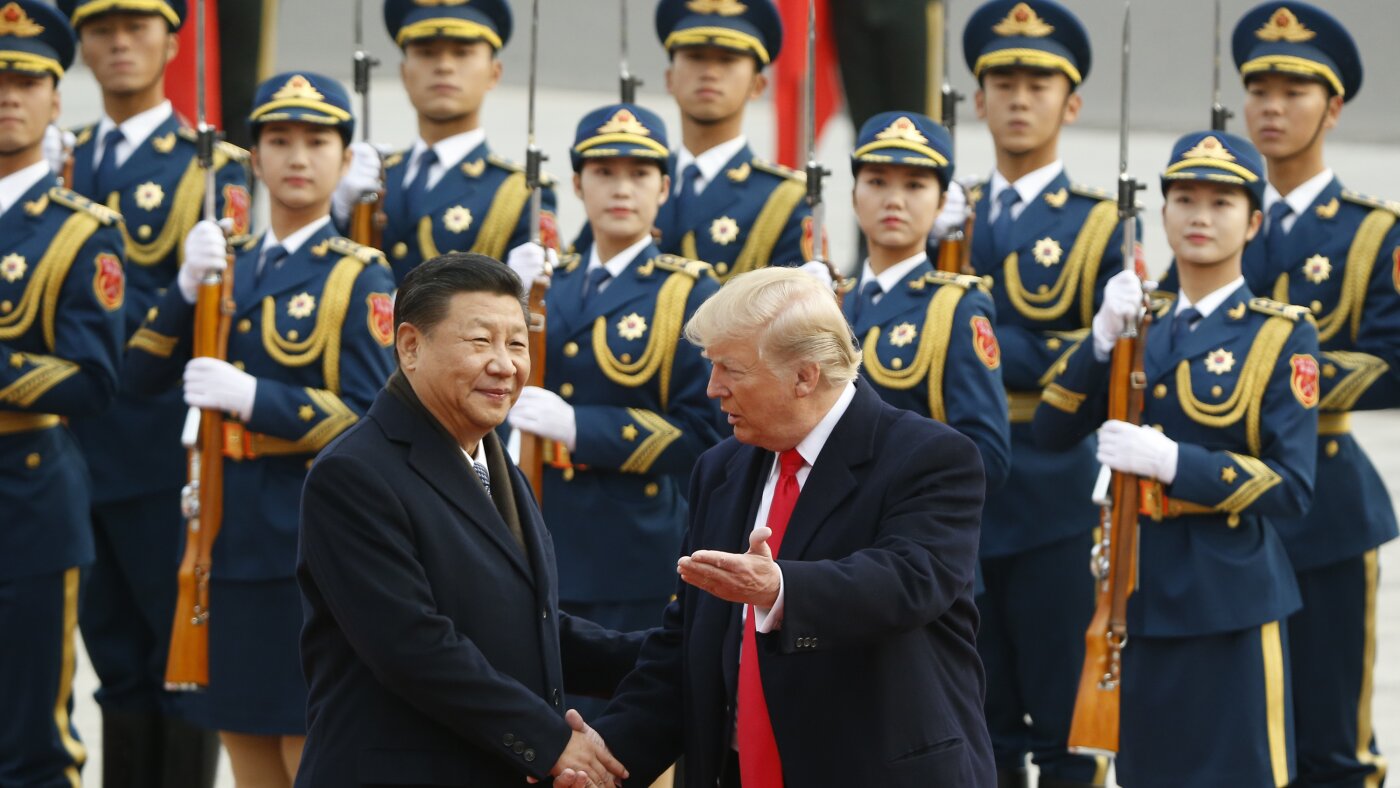
China's foreign minister Wang Yi criticized the U.S.-Israeli conflict with Iran while signaling openness to a Trump-Xi meeting and advocating for dialogue between the world's two largest economies.
World news
fromFortune
2 months agoChina's export-led growth is looking more and more unsustainable while a real estate crash and reeling consumers fuel deflationary spiral | Fortune
China's export surge drove record $1.19 trillion trade surplus and sustained 5% GDP growth in 2025 despite weak domestic consumer demand and property slump.
World news
fromFortune
2 months agoBRICS could become a new pillar of global governance-if its rapid growth doesn't erode its newfound clout | Fortune
BRICS' rapid expansion risks internal incohesion and failure to reform global governance despite its vast population, resources, and strategic potential.
fromwww.aljazeera.com
1 month agoHas BRICS given up on challenging Western economic dominance?
Jim O'Neill, the economist who coined the term BRIC' 25 years ago, argues that the group is losing its relevance. At its peak, the BRICS coalition of economies Brazil, Russia, India, China and South Africa was seen as a serious attempt to move away from the United States dollar and the domination of Western economic institutions like the World Bank, Group of Seven (G7), and International Monetary Fund (IMF).
World news
fromwww.aljazeera.com
2 months agoWhat role is China playing in global geopolitical transformations?
China's official discourse centres on the idea of peaceful rise, the commitment to non-interference in internal affairs, respect for sovereignty and territorial integrity, and economic partnerships based on mutual benefit. Beijing insists that relations with Washington should not slide into conflict, calling for a system of global governance built on cooperation rather than confrontation. Yet the geopolitical landscape reveals a wide gap between this discourse and reality. Donald Trump's return to the White House has brought back rhetorical escalation and increased geopolitical pressure.
World politics
fromFast Company
1 month agoChina's economy is losing momentum, as its national congress prepares for meetings in Beijing
What we'll see is the trade-off between whether it's going to be industry and tech, or looking after domestic demand. These are the two priorities that are juggling for Xi Jinping right now.
World news
World politics
fromwww.aljazeera.com
1 month agoChina set to release new five-year plan at National People's Congress
China will unveil its 15th Five-Year Plan for 2026-2030 at the NPC this week, with an expected GDP growth target of 4.5 to 5 percent, while addressing challenges from trade tensions and weak consumer confidence.
World politics
fromLondon Business News | Londonlovesbusiness.com
1 month agoThe Euro Could Head Closer to Unity with the Dollar - London Business News | Londonlovesbusiness.com
EUR/USD declines toward parity as energy crisis concerns and rising eurozone inflation pressure the euro while US Treasury yields support dollar strength.
[ Load more ]