"The world saves in dollars in large part because it pays in dollars. The dollar's dominance in cross-border trade is arguably built on the petrodollar: globally traded oil is priced and invoiced in USD."
"In exchange for Saudi Arabia recycling its dollars back into the U.S., Washington guaranteed the kingdom's security, which also involved stationing troops in the region, providing advanced weapons, and ensuring free navigation in the Strait of Hormuz."
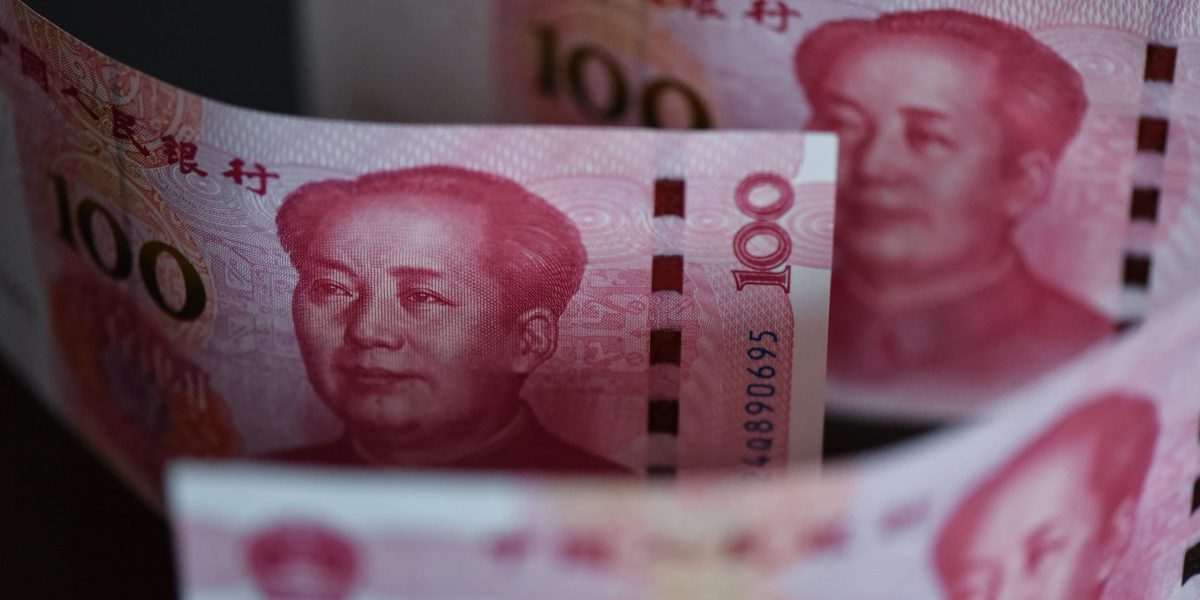
"While the U.S. and Israeli militaries have severely degraded Iran's capabilities, the regime still retains enough combat power to selectively close off the Strait of Hormuz-unless countries negotiate safe passage and pay in Chinese yuan."
The U.S. dollar's dominance in global trade is closely tied to the petrodollar system established in 1974, where Saudi Arabia priced oil in dollars. This system incentivizes dollar use in global supply chains, as oil is essential for manufacturing and transport. The U.S. has historically guaranteed Saudi security in exchange for dollar recycling. However, current tensions with Iran could shift dynamics, allowing countries to negotiate oil transactions in Chinese yuan, potentially undermining the dollar's status in international trade.
Read at Fortune
Unable to calculate read time
Collection
[
|
...
]