#cambridge-archaeology
#cambridge-archaeology
[ follow ]
#archaeology #historical-discovery #roman-britain #cultural-heritage #roman-archaeology #community-engagement
fromConde Nast Traveler
1 day agoA First Look at the V&A East Museum-London's Most Exciting New Cultural Addition
"What we wanted to do was to make this about people. When I came into my role, it was exactly at the time that the pandemic began. We built a team, an idea, and a vision through remote work."
London


fromwww.theguardian.com
1 week agoOn the shoulders of giants: roaming among England's famous chalk figures
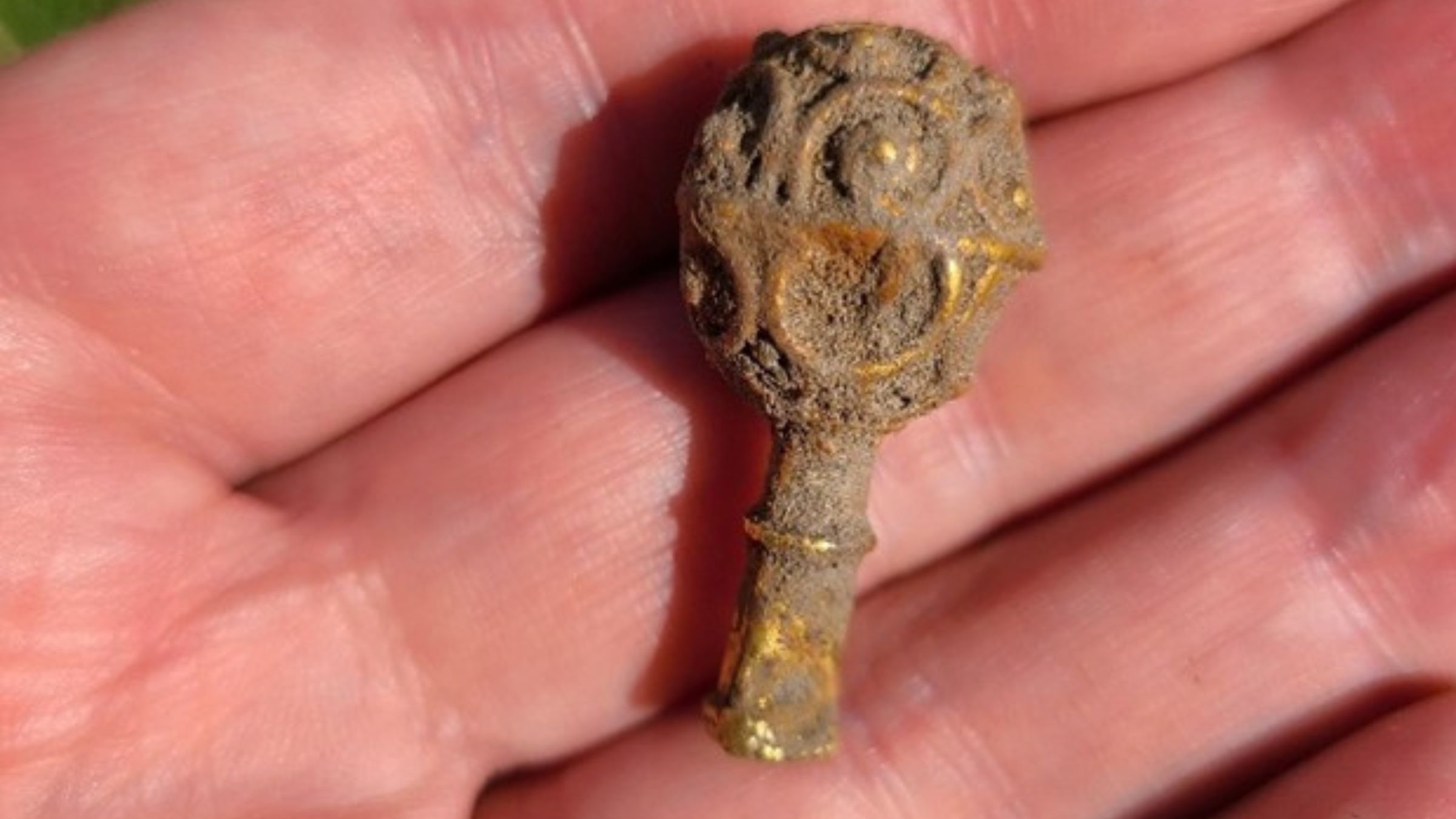
The Long Man may be Anglo-Saxon in origin; the shape is similar to the design on a buckle discovered in Kent in 1964 by the archaeologist Sonia Chadwick Hawkes, which probably represents the god Odin (or Woden).
History
fromThe Art Newspaper - International art news and events
1 month agoAncient Egyptian 'Tipp-Ex' discovered on papyrus at UK's Fitzwilliam Museum
The corrective fluid analysed using light infrared photography revealed a mixture of huntite and calcite, while images made using a 3D digital microscope show that there also are flecks of yellow orpiment, probably to make it blend in better with the fresh papyrus, which would have originally been pale cream in colour.
Typography
fromMedievalists.net
3 weeks agoWho Lies in Winchester's Medieval Mortuary Chests? - Medievalists.net
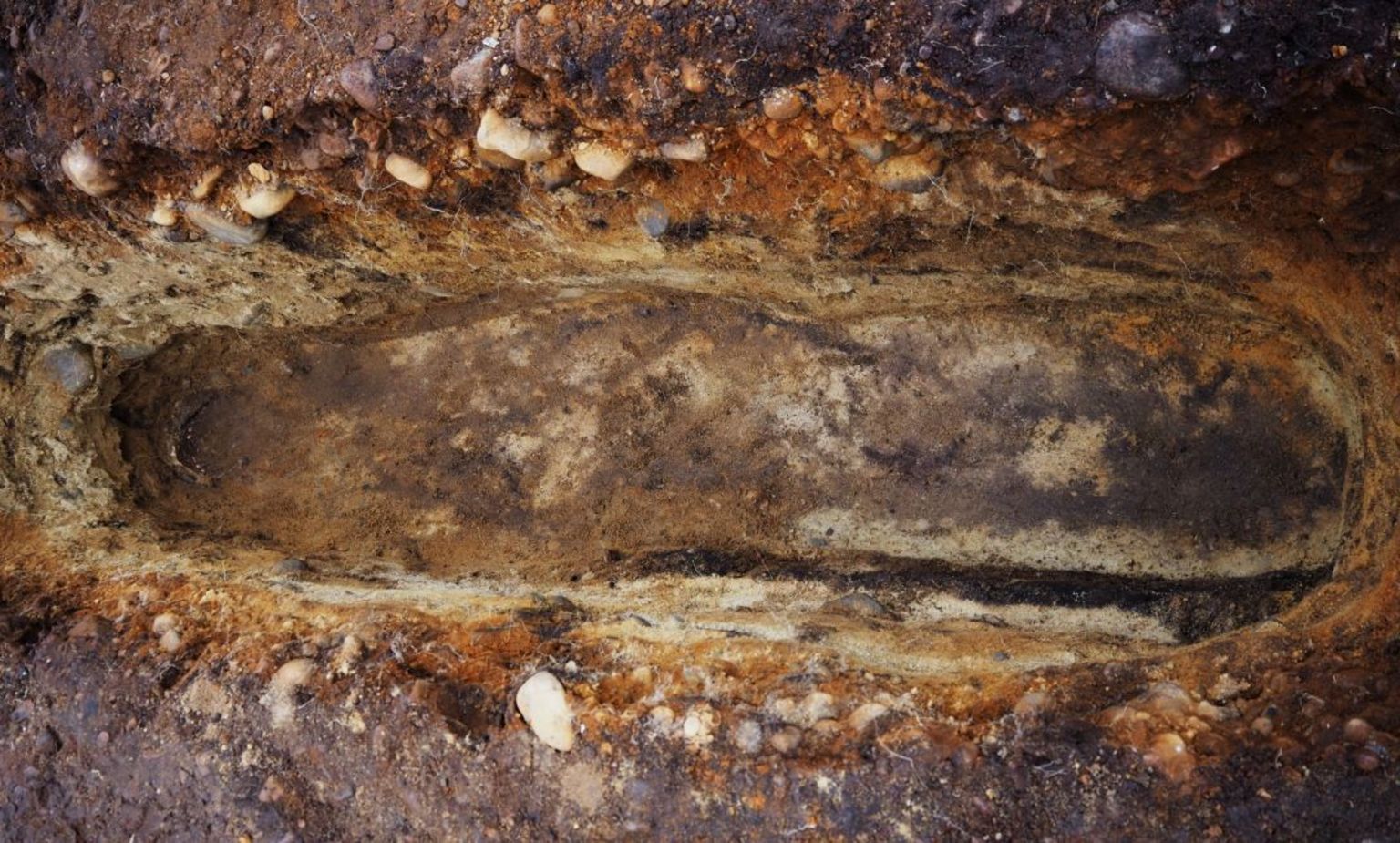
This project demonstrates the combined power of science, the study of human remains and historical research to discover new information about the six mortuary chests and their occupants which would not have been available to us a generation ago.
History
fromwww.theguardian.com
1 month agoCampaign seeks 50 objects to take the heat' out of Englishness debate
A new campaign is aiming to collect 50 objects that sum up Englishness in an effort to move the conversation away from reductive arguments over whether to hang a St George's flag or not. Supported by the Green party politician Caroline Lucas, the musician and campaigner Billy Bragg, and Kojo Koram, a law professor, the A Very English Chat campaign hopes to tackle England's growing social divisions and political polarisation.
UK politics
fromArtnet News
1 month agoStrange Coin Used on U.K. Bus Turns Out to Be 2,000-Year-Old Relic
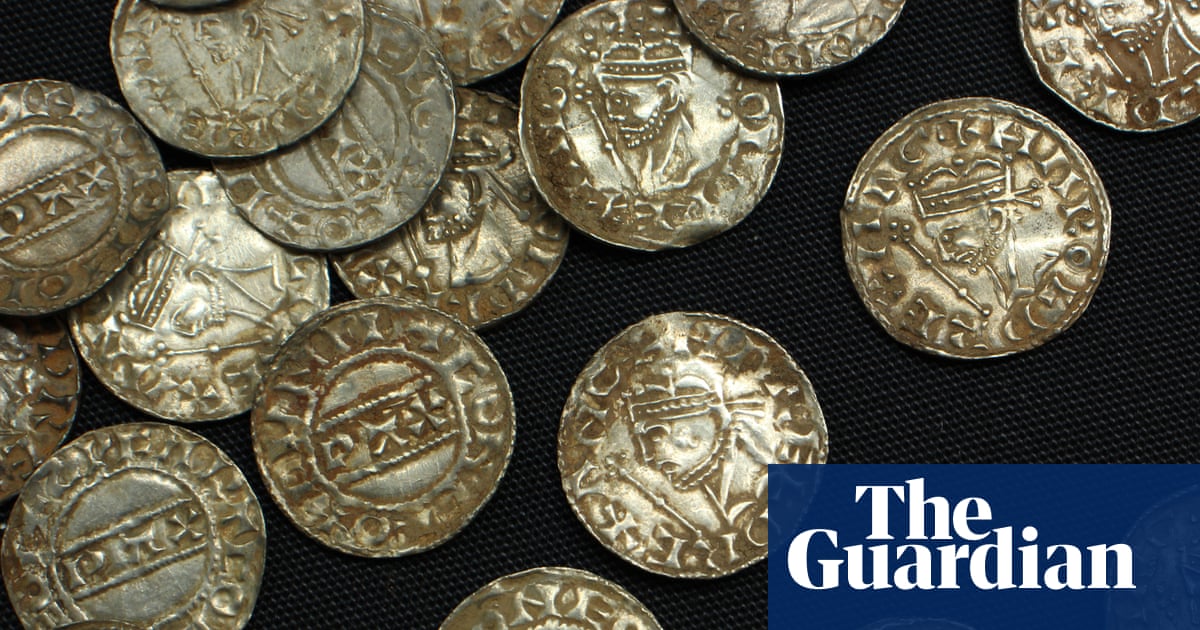
An enigmatic coin that someone used to board a British bus seven decades ago is now entering the collection of the Leeds Discovery Centre, following the revelation that it's a bit of 2,000 year old currency from the former Carthaginian trading settlement of Gadir, in modern-day Cádiz, Spain-one of Europe's longest-inhabited cities, settled by Phoenicians around 1,100 B.C.E.
Arts
US politics
fromwww.independent.co.uk
2 months agoBritish Museum successfully raises millions to save Henry VIII marriage artefact
The Independent solicits donations to fund independent, paywall-free journalism; the British Museum raised 3.5 million to acquire a Tudor-era gold pendant linked to Henry VIII.


London
fromCN Traveller
1 month agoThis fascinating new exhibition, an hour from London, is the hottest ticket for history buffs this summer
Hever Castle presents a comprehensive exhibition on Anne Boleyn, Henry VIII's second wife, marking 500 years since their courtship that led to the Church of England's establishment.
History
fromianVisits
1 month agoLooted from a royal palace: The medieval jug now on display in London
A medieval English bronze jug looted from Ghana's Asante kingdom reveals how European luxury goods became valued ceremonial objects through trans-continental trade networks before colonial appropriation.
Arts
fromThe Art Newspaper - International art news and events
1 month agoUK exhibition celebrates the artisans throughout history who went to war
Frontline-made objects salvaged from battlefields reveal the skills, identities, and lived experiences of ordinary soldiers across conflicts from the World Wars to modern wars.
fromwww.bbc.com
2 months agoTreasures found on HS2 route stored in secret warehouse
Treasures unearthed by hundreds of archaeologists so far during work on the controversial planned HS2 train line have been shown exclusively to the BBC. The 450,000 objects, which are being held in a secret warehouse, include a possible Roman gladiator's tag, a hand axe that may be more than 40,000 years old and 19th Century gold dentures. It is an "unprecedented" amount and array of items, which will yield new insights into Britain's past, says the Centre for British Archaeology.
London
fromwww.standard.co.uk
2 months agoBritish Museum raises 3.5million to save Henry VIII-linked pendant found by metal detectorist in field
It was discovered six years ago by a metal detectorist in a field in Warwickshire. Now the Tudor Heart - a gold pendant linked to Henry VIII's marriage to his first wife, Katherine of Aragon - will go on show to millions after the British Museum successfully raised 3.5 million to save it following a four-month fundraising campaign. The London museum launched an appeal in October as it was keen to save the Tudor Heart, which was discovered by a metal detectorist in 2019,
London
History
fromMedievalists.net
1 month agoNew Medieval Books: Castles and Strongholds of Northumberland - Medievalists.net
Northumberland contains more castles, towers, peles, bastles and barmkins than any other British county, serving as private residences and fortifications for nobility and landowners.
fromwww.thehistoryblog.com
2 months agoRare Mithraic altars found in Scotland go on display for the first time
Two exceptionally rare and beautifully carved Mithraic altars found in Inveresk, East Lothian, Scotland, are going on display for the first time. They are not just the only Roman altars ever found in Scotland, but are among the finest examples of Roman sculpture in Roman Britain. They are also uniquely early in date, having been made in 140s A.D. during Antoninus Pius' reoccupation of southern Scotland, whereas most other archaeological materials related to the worship of Mithras in Britannia date to the 3rd century.
History
fromMedievalists.net
1 month agoEast Roman Archaeology: Goals and Challenges, with Marica Cassis - Medievalists.net
Archaeology reveals material evidence of daily life, settlement patterns, and economic systems in the East Roman world that textual sources cannot provide, while facing challenges in establishing itself as a distinct field separate from classical and Islamic archaeology.
fromwww.thehistoryblog.com
2 months agoVictorian school slates, marbles found in London
An excavation in central London has uncovered the remains of a boys school complete with artifacts from the students' schoolwork and their playtime. The objects include a slate tablet used as an erasable notebook to practice handwriting, a slate pencil and several ceramic alleys marbles made of decorated white ceramic from the Victorian era. Artifacts related to children's lives are less frequently found than ones relating to adults, so these objects give us a special glimpse into the lives of schoolboys.
History
History
fromMedievalists.net
1 month agoThe Survival of Roman Education in Early Medieval Britain - Medievalists.net
Roman cultural practices persisted in Britain for generations after AD 410, with aristocrats maintaining traditional education and Christian learning similar to their Gallic counterparts.
[ Load more ]