#andres-valencia
#andres-valencia
[ follow ]
#contemporary-art #photography #architecture #painting #art #art-exhibition #art-fair #performance #ceramic-tiles
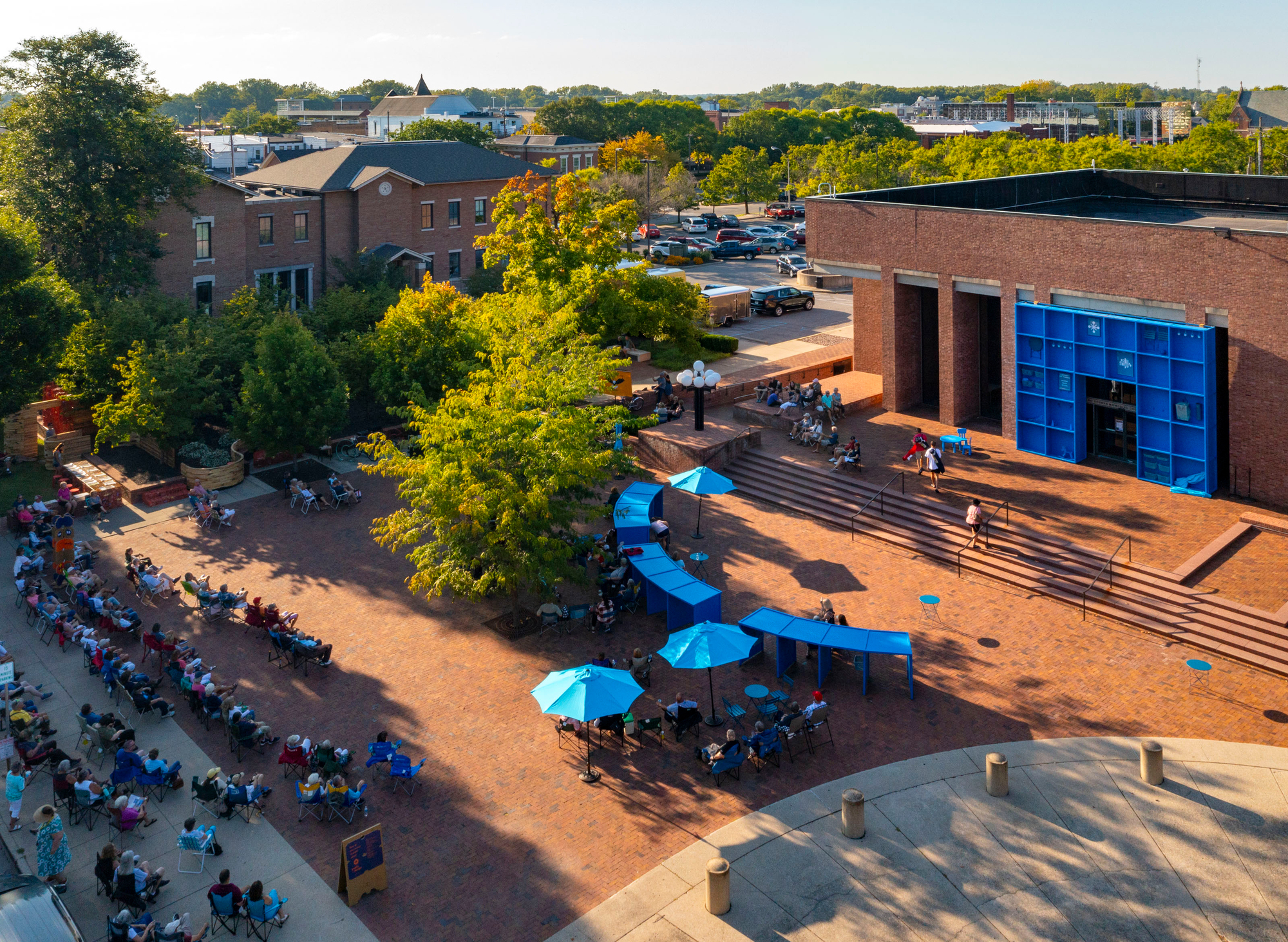
fromOregon ArtsWatch * Arts & Culture News
2 days agoTom Prochaska: Through the Open Door * Oregon ArtsWatch
Tom Prochaska distinguished himself in many mediums: He was a masterful printmaker, an intuitive painter, a builder of papier-mâché figures, a creator of fused glass panels, and graphite-on-paper drawings.
Arts
fromdesignboom | architecture & design magazine
3 days agohow spanish ceramics bridge culture, memory and identity at milan design week 2026
Throughout its history, Spain has been shaped by a wide range of cultures and civilizations, including Muslim, Phoenician, Roman, Greek, Carthaginian, and Visigothic influences, which are reflected in its architecture and design.
Madrid food
fromMetro Silicon Valley | Silicon Valley's Leading Weekly
5 days agoMiguel Novelo: Inframundo in San Jose | Metro Silicon Valley | Silicon Valley's Leading Weekly
Inframundo invites visitors to look inward and become a rock, drawing on the landscape shaped by cenotes, which are thought to be portals to the Maya underworld.
Silicon Valley
#photography
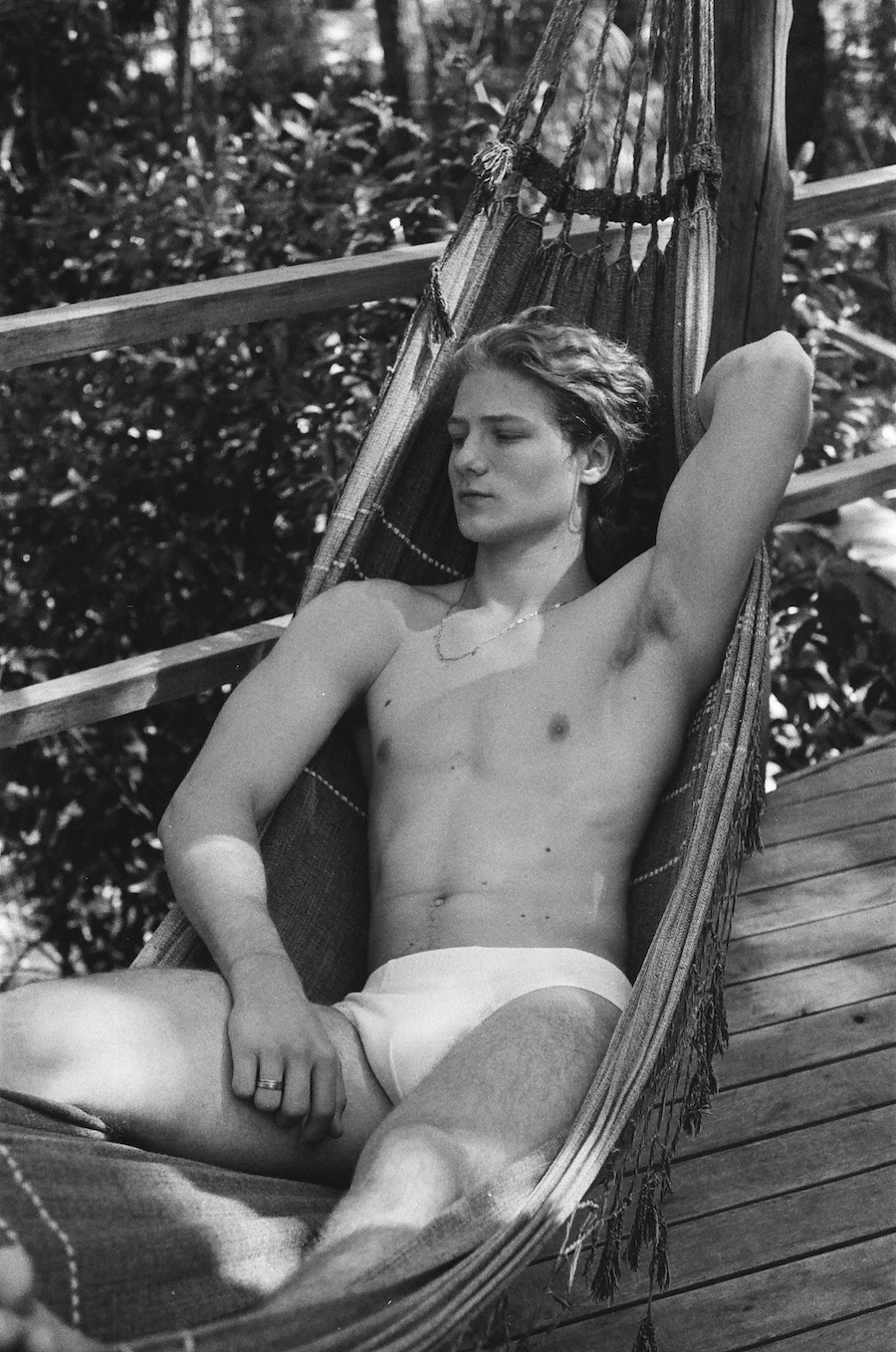

Photography
fromwww.theguardian.com
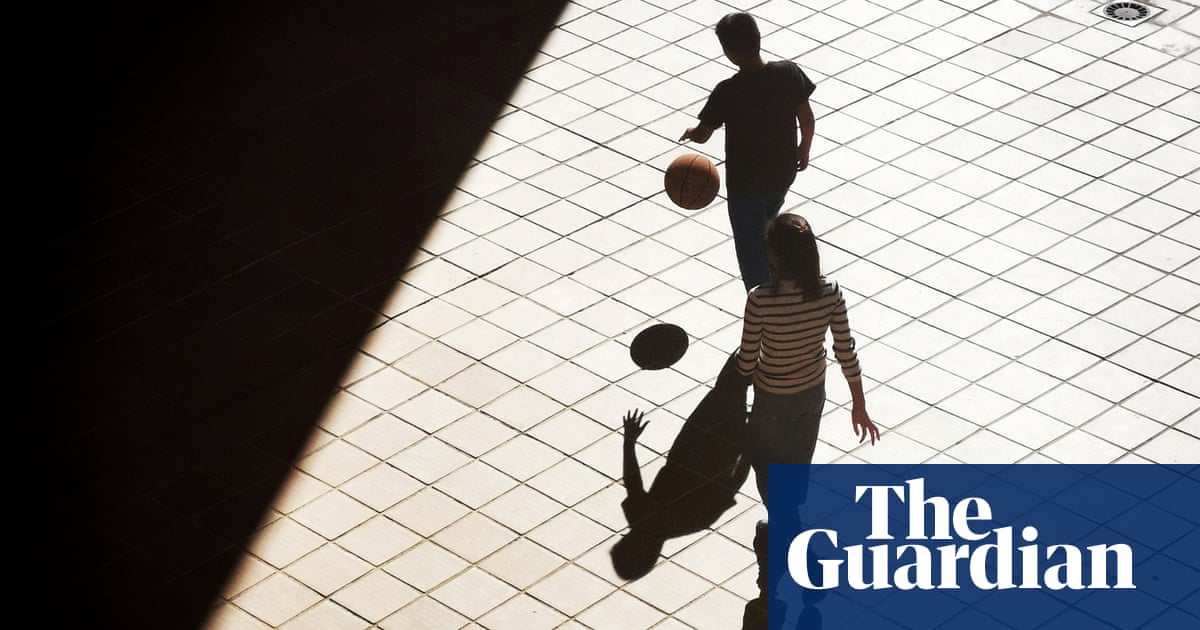
2 weeks agoThe shadows, the figures playing basketball I waited for the magic to appear then it did': Jose Luis Morales Martin's best phone picture
Jose Luis Morales Martin captures the interplay of architecture and photography, emphasizing the emotional connection and artistry in both fields.
Design
fromdesignboom | architecture & design magazine
6 days agopilar zeta's sculpted portals transform public spaces into pocket dreamworlds
Pilar Zeta's installations create immersive environments that blend past and present, inviting visitors to engage with shifting perceptions and potential futures.
Photography
fromArchDaily
1 week ago40+ Contemporary Architectural Works Across Ecuador Captured by Francesco Russo and Luca Piffaretti
Photographers document Ecuador's architecture and landscapes, highlighting the country's evolving identity and the interplay between built environments and natural surroundings.
fromBOOOOOOOM!
1 month agoIllustrator Spotlight: Cezar Berje
Cezar Berje's visual approach is a mix of chaos-vibrant colours, symbols, and new age psychedelia. His illustrations often suggest universes within universes, with each part of the image telling its own story through symbols and references.
Graphic design
fromThe Art Newspaper - International art news and events
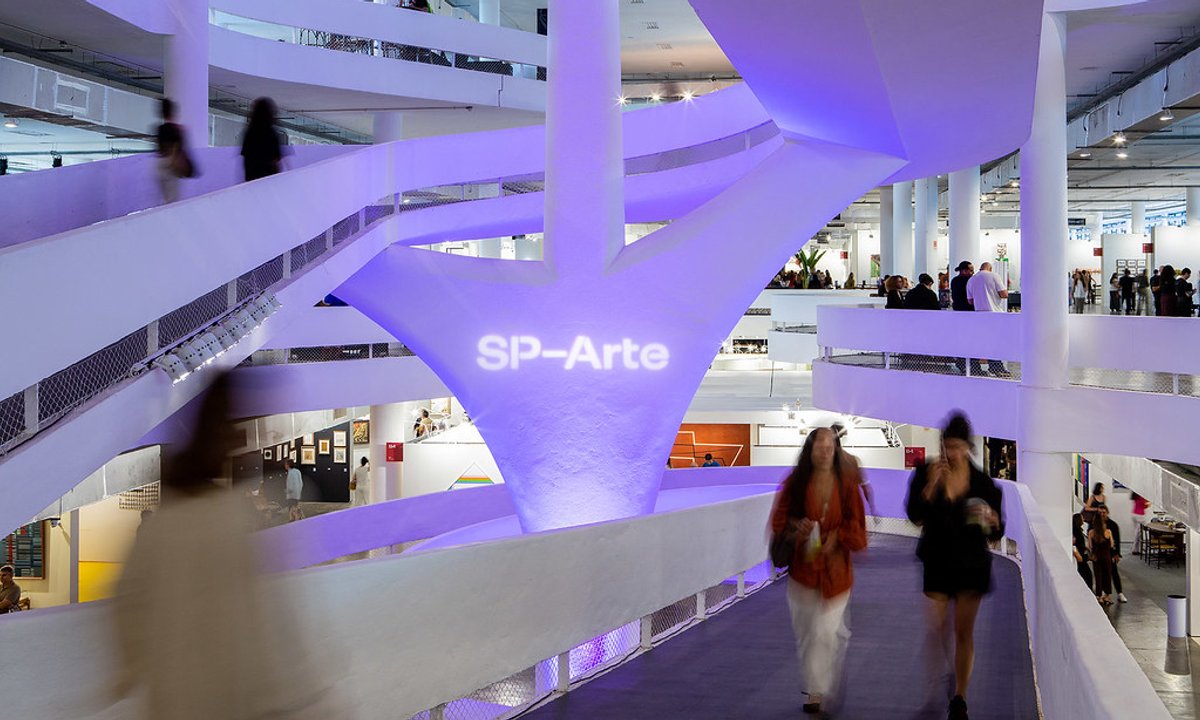
6 days agoNew Bienal de Yucatan to spotlight Mexican region's growing art scene
"After I first visited Mérida in 2013, I was amazed by the heritage, artists and its art school-now a university-yet I noticed a lack of local exhibiting programmes. Since then, I began dreaming of a biennial which would strengthen and draw visibility for contemporary art in the region."
Arts
fromThe Art Newspaper - International art news and events
1 month agoTomas Saraceno and Indigenous communities build art complex in Argentine salt flats
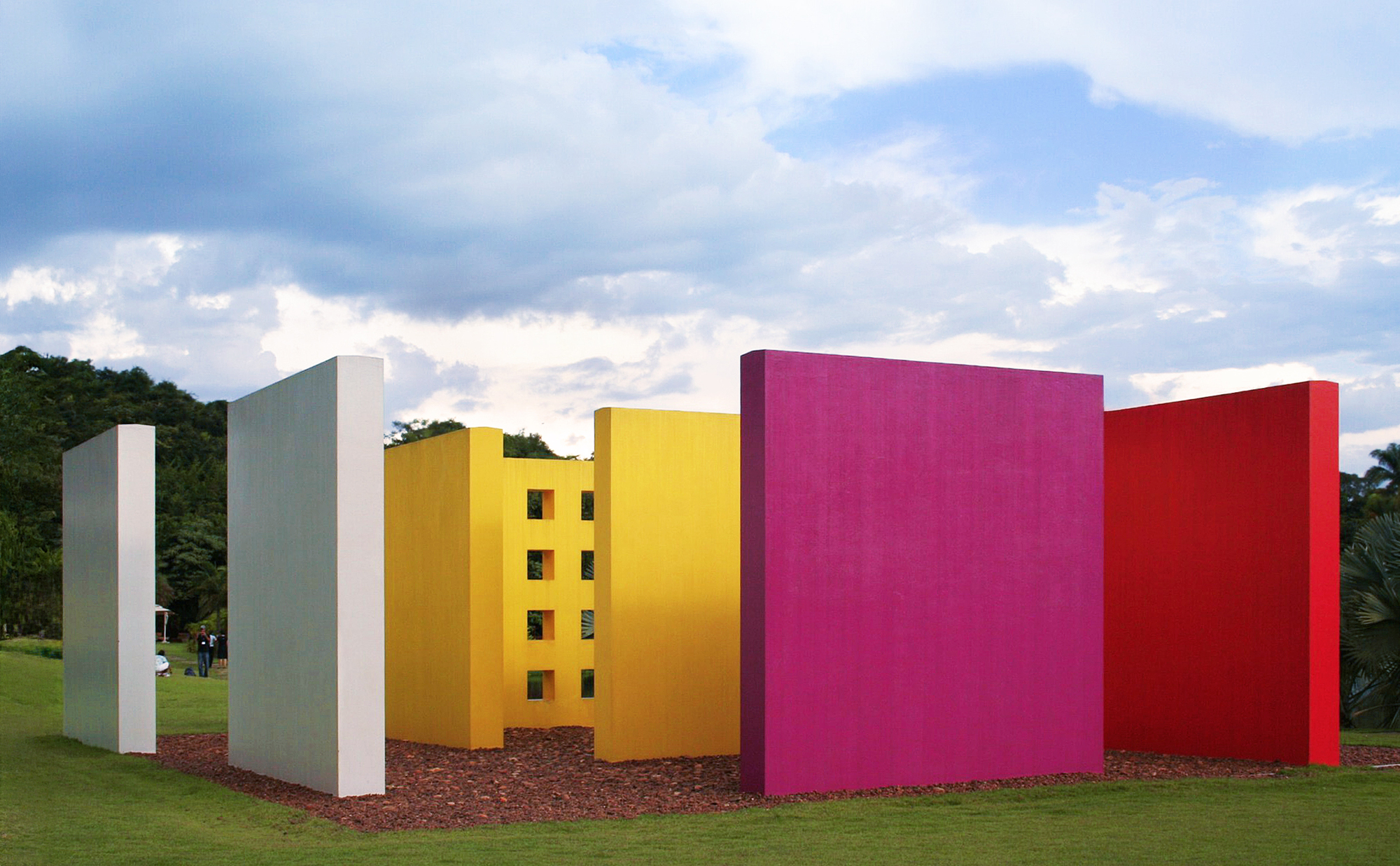
We don't eat batteries. They take away the water; they take away life. This pronouncement, in Spanish, appears in a photograph that the artist Tomás Saraceno sent via WhatsApp last month from Salinas Grandes, a high-altitude salt flat in northern Argentina. There, in one of the world's largest lithium reserves, the artist is working alongside 11 Indigenous communities to build El Santuario del Agua (The Water Sanctuary), a monumental work about the global energy transition.
SOMA, SF
fromItsnicethat
1 month agoBraulio Amado on why there is unlimited inspiration in the world, if only we become "crazy enough to look for it"
Braulio gives the crowd an incredible insight into a decade's worth of poster designs for Good Room, revealing how he finds inspiration in the most mundane things just by paying attention to what has 'already been designed' and remixing it into something new.
Design
fromComplex
2 months agoAtlas Artists Backs Launch of Val Segal's ELLO
Segal developed ELLO over seven years, drawing from his background operating a licensed YouTube Multi-Channel Network. The result is a hybrid platform that merges media publishing with secure messaging, eliminating reliance on social algorithms or third-party dashboards. ELLO supports video, audio, livestreaming, and digital publishing within a unified interface. For legacy media brands, the platform enables mobile-native magazine publishing-eschewing PDFs in favor of scrollable, interactive formats optimized for smartphone consumption.
Startup companies
Renovation
fromwww.archdaily.com
1 month agoMuimenta Social Center / Eduardo Dipre Mazza + Daniel Gomez Magide + Miguel Angel Diaz Gonzalez
A multi-purpose social center in rural Galicia revitalizes an abandoned village through infrastructure rehabilitation, economic activity generation, and improved quality of life for residents.
fromDesign Milk
2 months agoInside Lee Broom's Latin American Exhibition at Diez Company
Now, he celebrates his first major presentation in Latin America, in congruence with Mexico City Art Week 2026 and ZSONAMACO, showcasing on an ideal stage inside one of the city's most architecturally layered interiors. Titled The Resident, the site-responsive installation, created during a residency at the Diez Company house, transforms the historic showroom into an immersive tableau where more than 50 works negotiate the boundaries between collectible design, contemporary art, and spatial theater.
Design


#contemporary-art

fromArtnet News
1 month agoArts
The Young Painter Curators Are Rushing to Work With | Artnet News
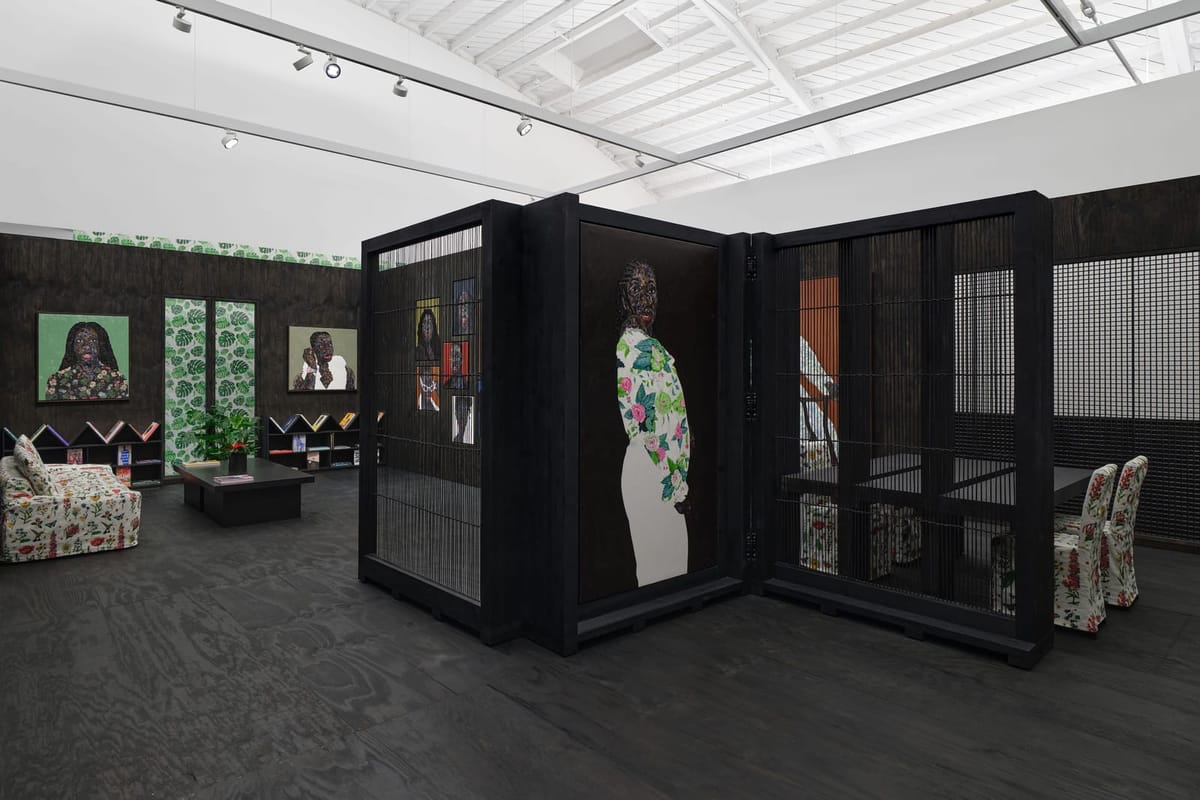
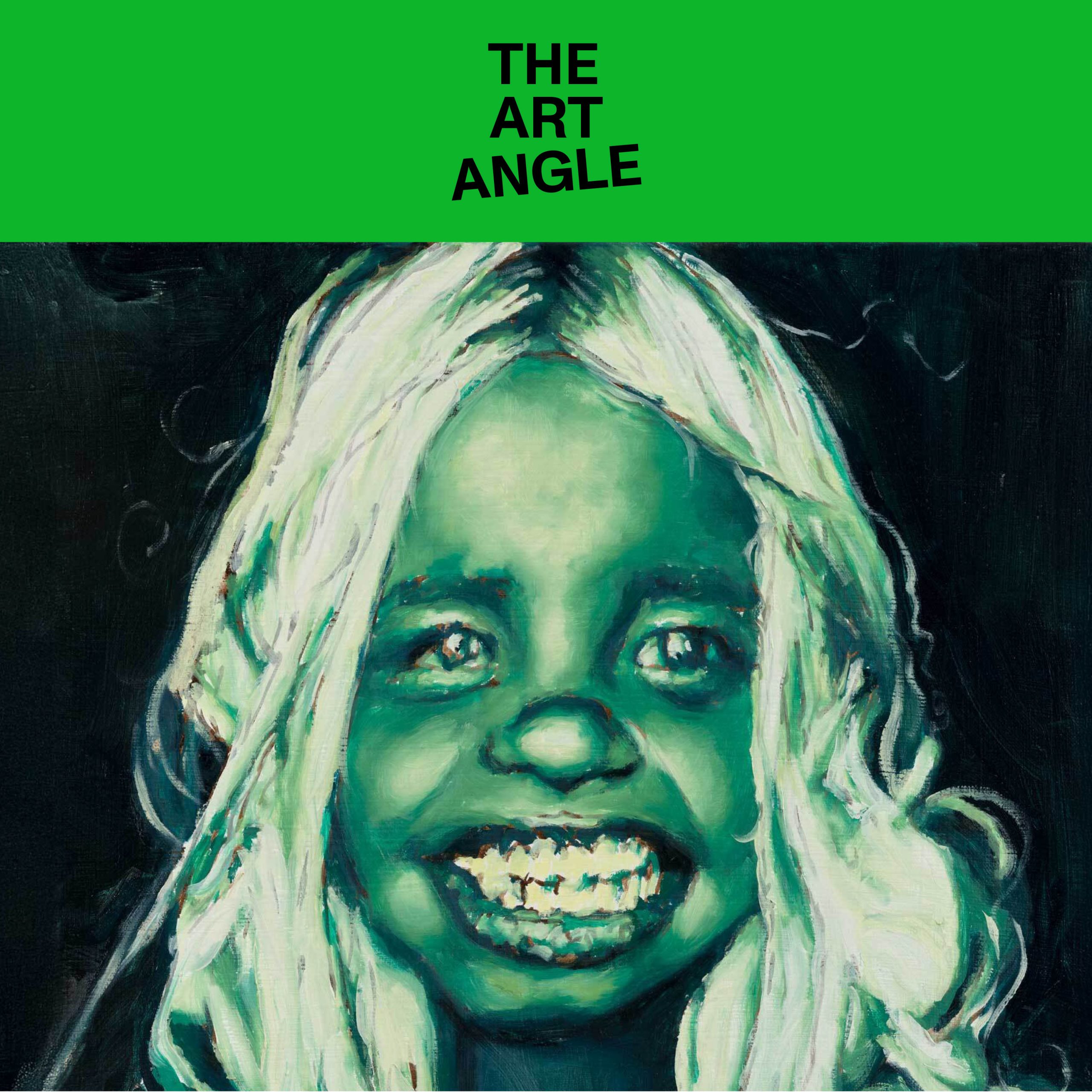
Taína H. Cruz, a young artist born in 1998, is featured prominently in both the Whitney Biennial and MoMA PS1's Greater New York, with her work serving as the face of the Whitney show through a billboard in the Meatpacking District.
Design
fromdesignboom | architecture & design magazine
2 months agoblue fabric fragments dance with the wind on modular cultural pavilion in colombia
A reversible modular mobile pavilion for Bogotá draws on river systems to provide temporary, decentralized cultural spaces adaptable to diverse urban contexts.
fromArtforum
1 month agoFoto Estudio Luisita
For the Escarrias-petite sisters of African descent born ten months apart in Cali, Colombia-commercial photography was in their family DNA. Their parents established a studio in their hometown that was overseen by their mother after their father's early demise. The siblings learned the family trade, and when they fled the country's civil war in 1958, they quickly reestablished the studio in Buenos Aires.
Photography
Arts
fromThe Art Newspaper - International art news and events
2 months agoMuseo de Arte Moderno de Bogota dismisses longtime artistic director
Museo de Arte Moderno de Bogotá has terminated artistic director Eugenio Viola amid a board 'comprehensive review' after Viola raised concerns about deteriorating working conditions.
fromHyperallergic
1 month agoThe Uncertain Future of Colombia's Museum of Memory
In 2011, the Colombian government ordered the creation of a national museum "to achieve the strengthening of the collective memory" around the decades-long armed conflict. That same year, it passed the Victims and Land Restitution Law aimed at providing victims with reparations and justice. More than just a curated collection of objects or artworks, the museum, scheduled to be inaugurated in 2018, was conceived as an archive of the violent civil war.
Arts
fromColossal
2 months agoRegina Silveira Pieces Together an Evolving Narrative of Latin America
Regina Silveira has spent the better part of three decades considering the relationship between media and meaning, particularly as it relates to Latin America. First presented in 1997, "To Be Continued..." features 100 black-and-white reproductions of photos, newspaper clippings, propaganda, advertisements, and more. Silveira nests each image into an oversized puzzle piece, which cuts off faces and scenes to leave fragments of pop culture icons, flora and fauna, and even the occasional mugshot spliced next to one another.
Arts
Arts
fromThe Art Newspaper - International art news and events
1 month agoArco Madrid's 45th edition benefits from influx of Latin Americans to the 'new Miami'
Arco Madrid's 45th edition features 206 galleries amid Spanish galleries' protest against Europe's highest 21% VAT on art, which undermines international competitiveness.
Arts
fromMiami Herald
1 month agoCarlos Alfonzo and Belkis Ayon Unite in 'Odyssey' at Freedom Tower
Two significant 20th-century Cuban artists, Carlos Alfonzo and Belkis Ayón, are exhibited together for the first time at Freedom Tower, revealing shared interests in mythology and artistic influences despite their stylistic differences.
fromJuxtapoz
2 months agoJuxtapoz Magazine - Oscar Murillo: "el pozo de agua" @ kurimanzutto, Mexico City
OSCAR MURILLO (b. 1986, La Paila, Colombia) has developed a multifaceted and challenging practice that spans painting, collaborative projects, video, sound and installation. Through each body of work, the artist probes ideas of collectivity and shared culture, demonstrating a commitment to the power of material presence alongside complex meditations on contemporary society. A focus on the social dimension that sits on the border between performance and events is also central to Murillo's practice.
Arts
fromArtnet News
2 months agoHow Wifredo Lam Made Surrealism More Surreal Than the Surrealists | Artnet News
An exhibition of Wifredo Lam is about as safe a bet as the Museum of Modern Art can place and still plausibly say that it's a bet on expanding the canon. The Cuban artist is one of the most famous painters of the 20th century, featured in almost every single key show about Surrealism. MoMA acquired his famous painting The Jungle in 1946, a few years after he made it.
Arts
Arts
fromThe Art Newspaper - International art news and events
2 months agoMexico City's art scene gravitates to Santa Maria la Ribera neighbourhood
Santa María la Ribera has become a growing hub for contemporary Mexican artists, offering affordable studios, large Porfirian-era spaces, and new exhibition venues.
fromCurbed
2 months agoThe Cuban House of Spirits
The artists José Parlá and Claudia Hilda, his wife, live in a former fire station in Fort Greene surrounded by memories of Cuba, which Parlá's ­family fled in 1970 and where ­Hilda lived until recently. "There's a lot of magical realism here, a big mix of Cuban traditions and religion," says Parlá, pointing to an icon of la Caridad del Cobre, the island's patron saint, in the kitchen. "We cannot move her!"
Arts
[ Load more ]