#a3-farms-tower
#a3-farms-tower
[ follow ]
#architecture #sustainability #sustainable-architecture #urban-agriculture #gardening #gardening-tips

fromYanko Design - Modern Industrial Design News
3 weeks agoIrontown Modular Built a Tiny Cabin With Vaulted Ceilings & Warm Wood Walls for Under $50K - Yanko Design
The Sledhaus 200 packs a lofted bedroom, an optional bathroom, a galley kitchen, a living and lounge area, and a front covered porch into its 200 square feet of living space.
Remodel
fromGlobal IP & Technology Law Blog
1 month agoAt A Crossroads Issue #3
Connected vehicles are becoming software-defined, sensor-rich, and permanently online. This evolution expands both legal exposure across sectors and legal frameworks that were traditionally unfamiliar for the automotive and transportation industry: (i) telecoms licensing and cross-border connectivity, (ii) data protection and data-sharing (e.g. with insurers/ad-tech), (iii) cybersecurity and safe Over-The-Air (OTA) governance, (iv) product liability for automated/Advanced Driver Assistance Systems (ADAS) features, (v) eCall obligations amid 2G/3G mobile network sunsets, (vi) national-security supply-chain controls, and (vii) IP disputes.
Alternative transportation
#vertical-farming
Agriculture
fromYanko Design - Modern Industrial Design News
1 month agoThis Self-Sustaining Building in China Grows Food on Every Floor, And It Was Built On A Farmland Plot - Yanko Design
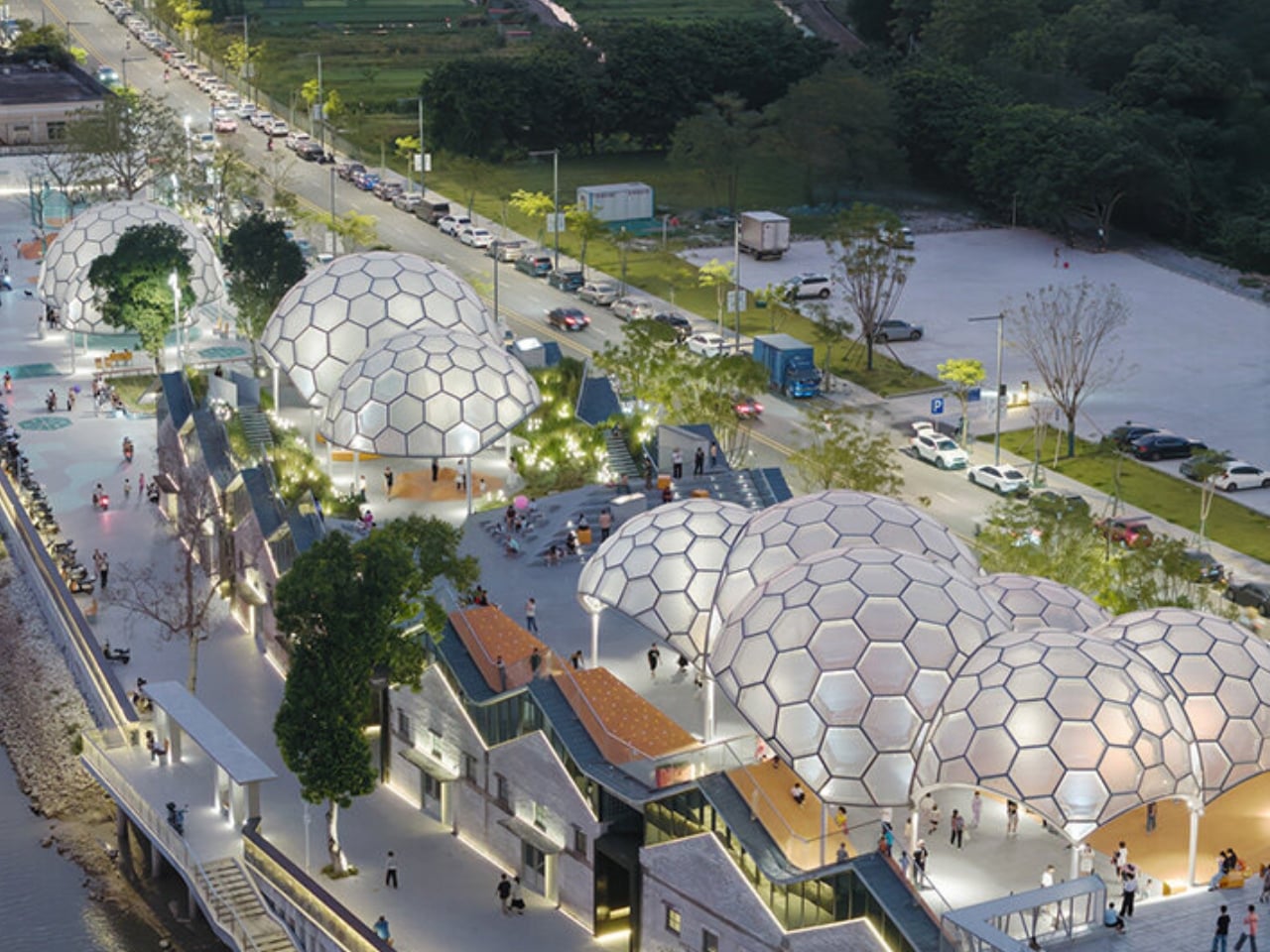
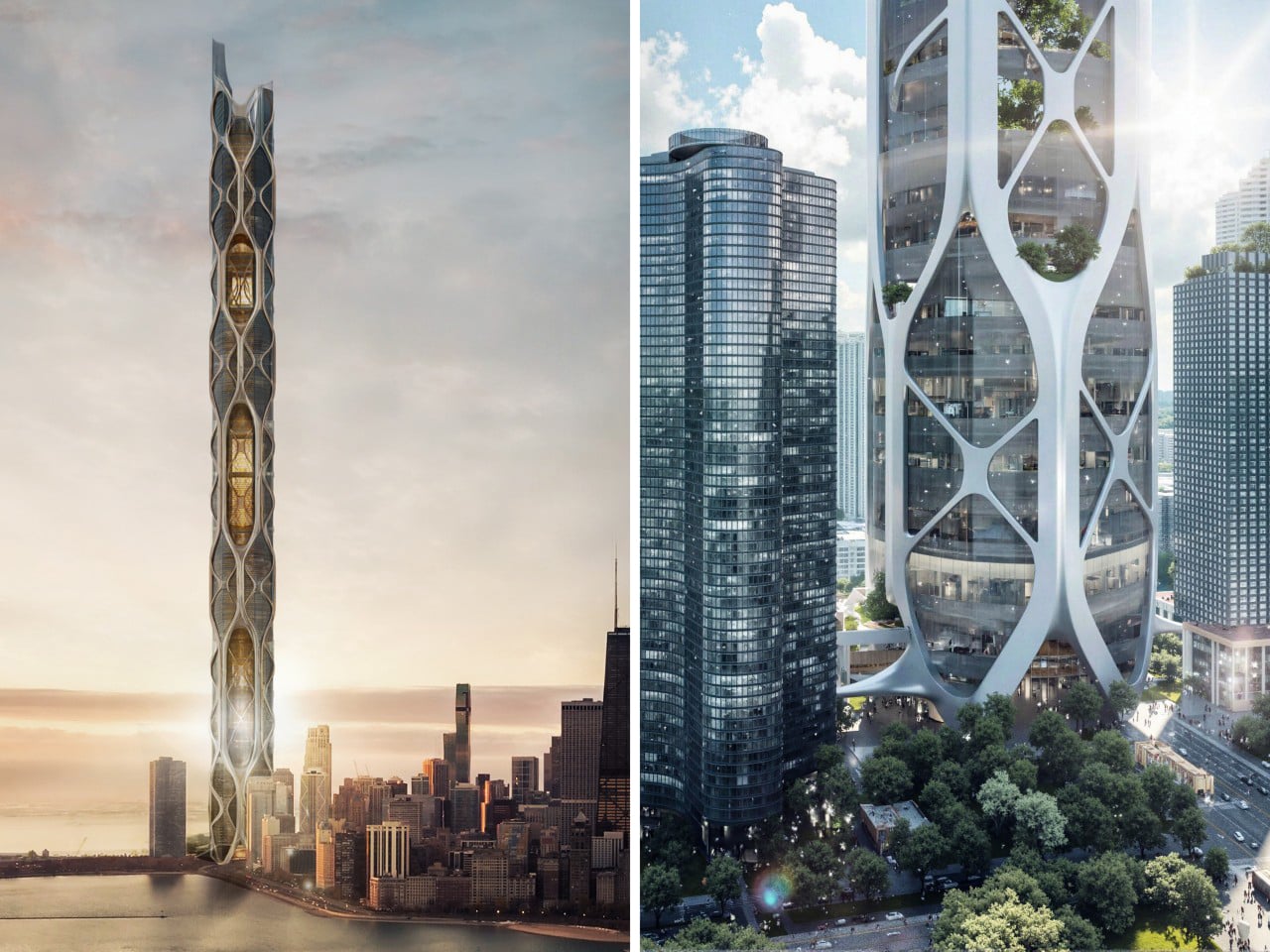
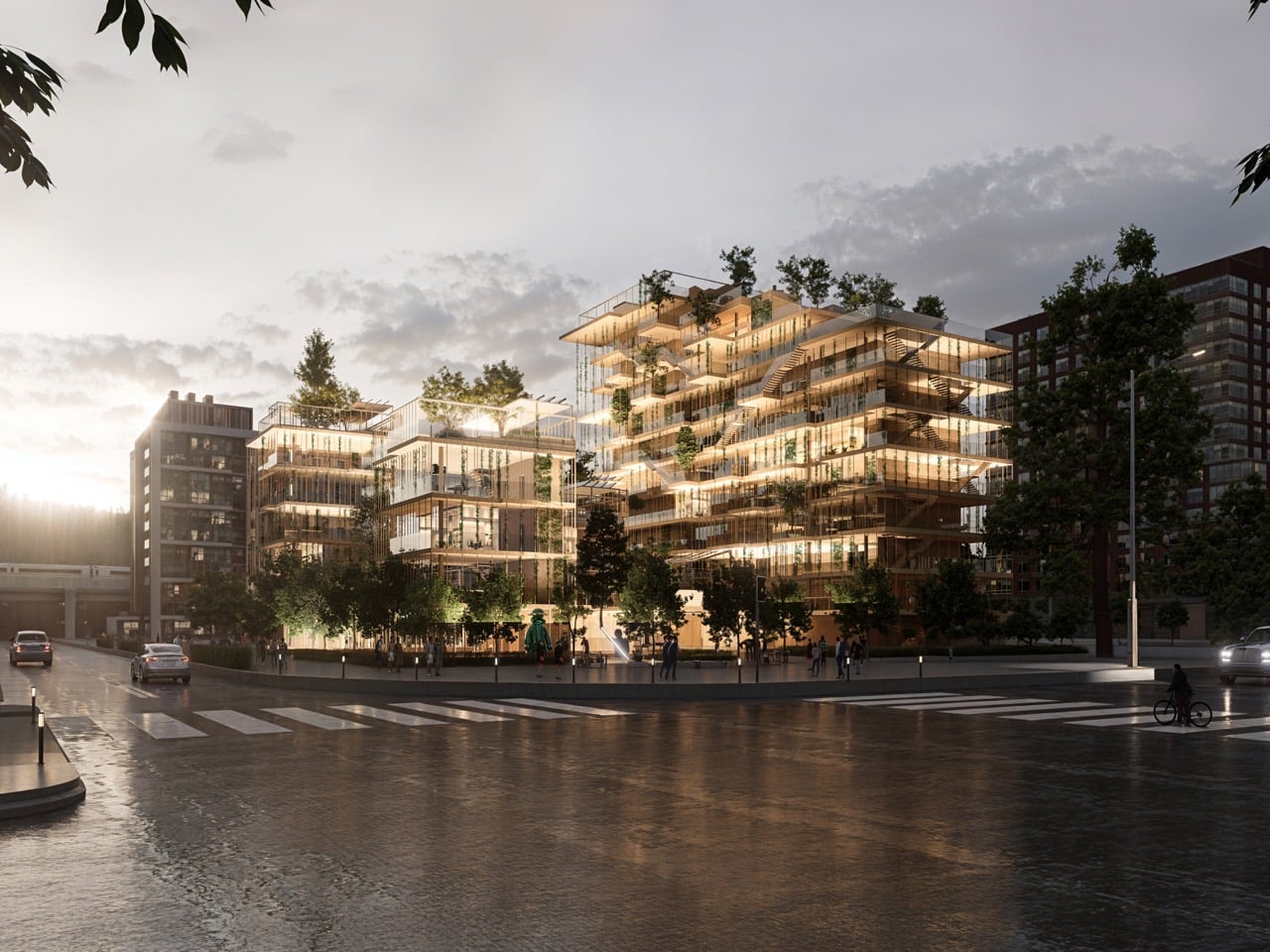
Wei Dou's Verdant Syndicate preserves agricultural identity on converted farmland through tenant-operated vertical farming integrated into a mixed-use building's structure and design.
Everyday cooking
fromTasting Table
1 month agoHow To Grow Eggplant Indoors For A Faster And More Foolproof Harvest - Tasting Table
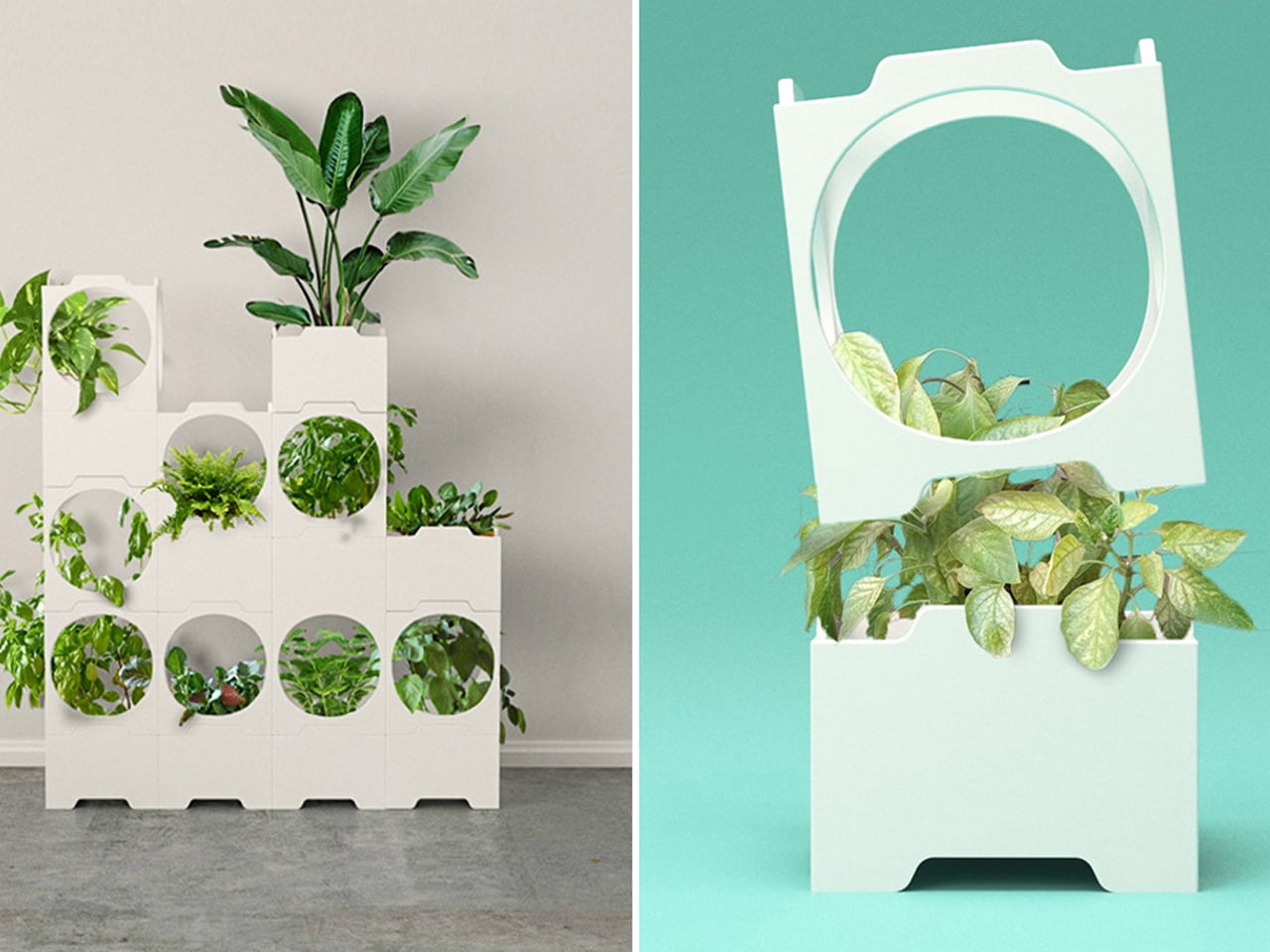
Starting eggplant seeds indoors two months before the final frost provides a significant head start, with seeds germinating in five days and requiring 100 days to maturity.
Miscellaneous
fromArchDaily
1 month ago7 Unbuilt Masterplans Reimagining Urban Futures Through Ecology and Collective Space
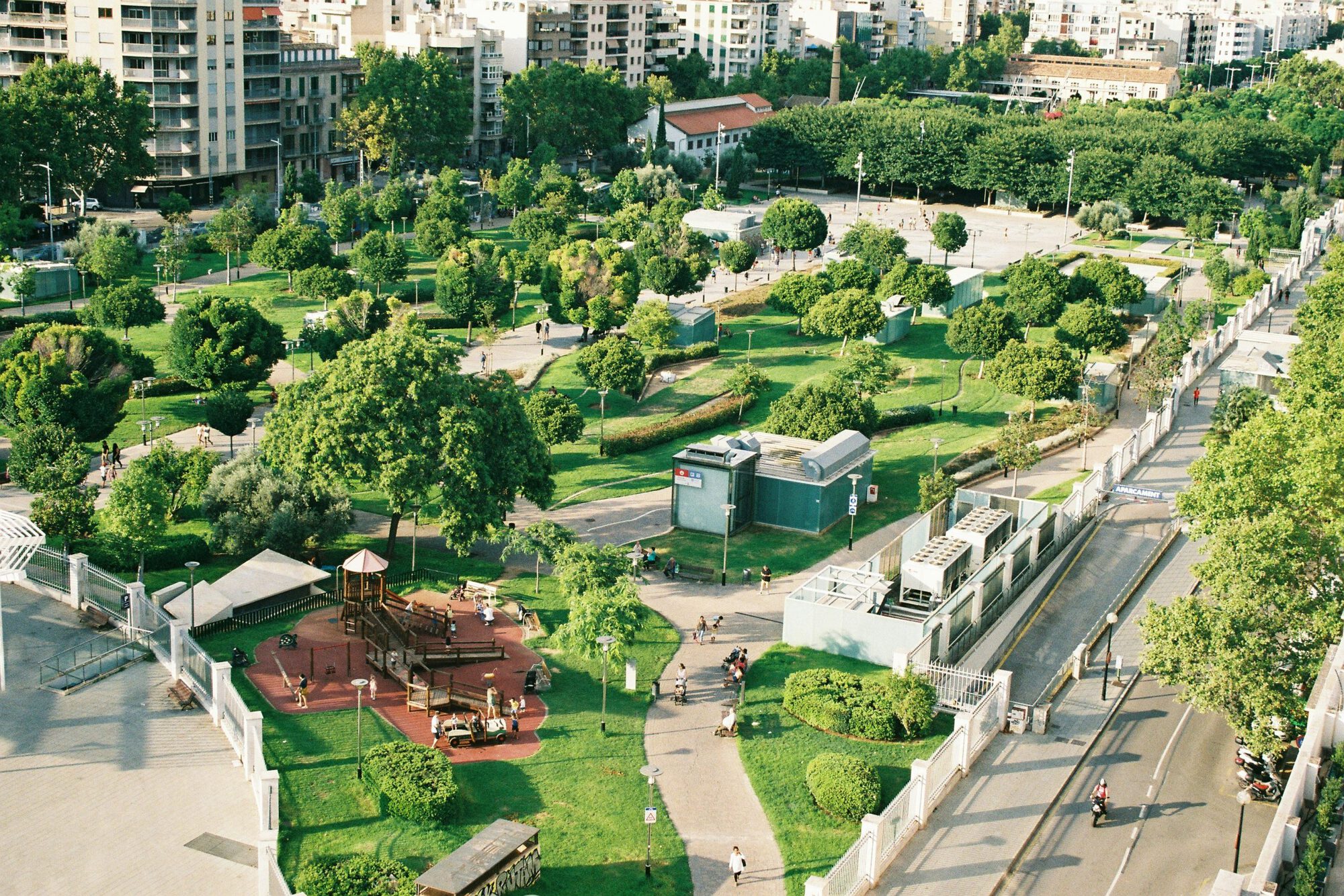
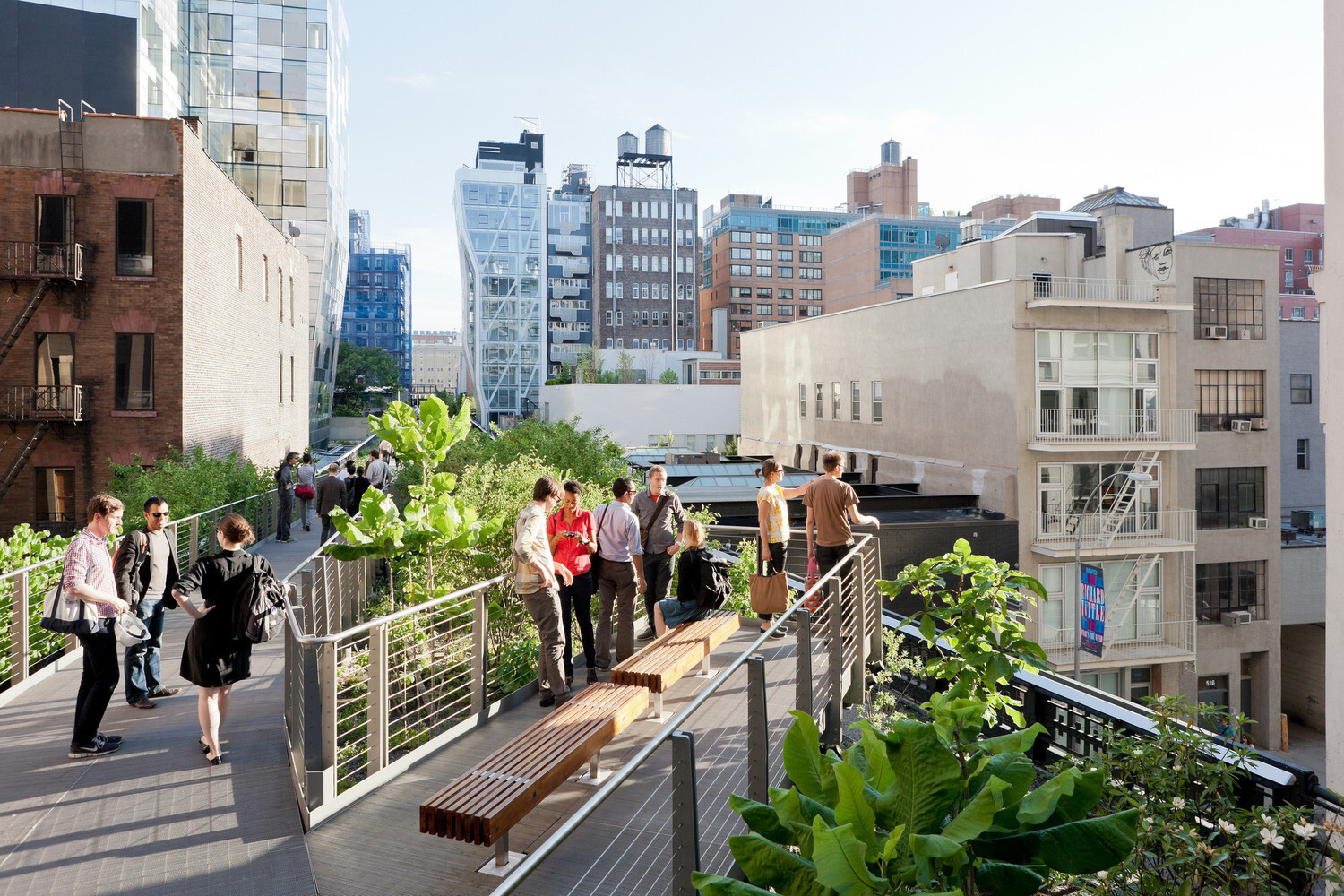
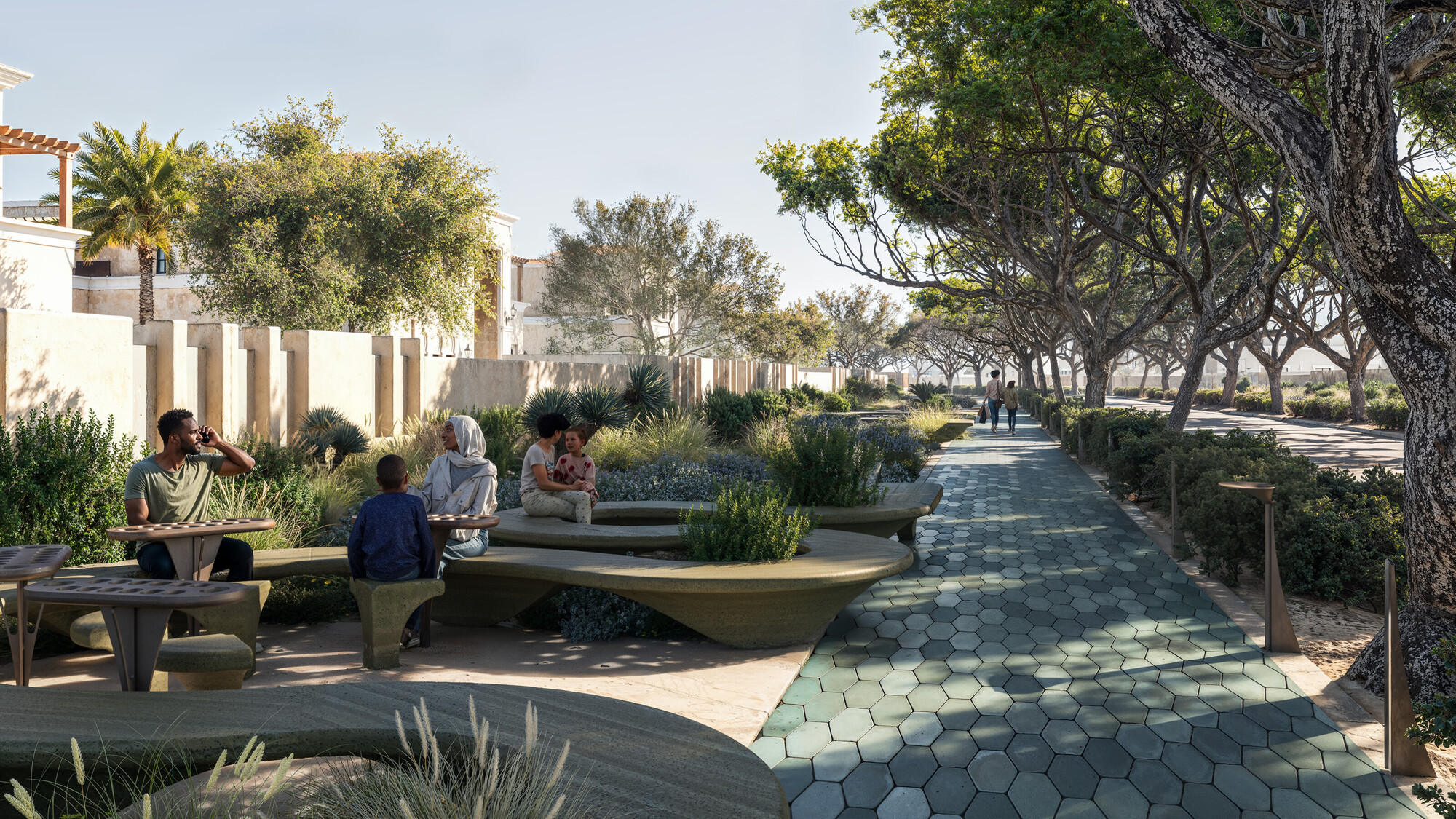
Unbuilt urban masterplans explore adaptive spatial frameworks that recalibrate mobility, ecology, and collective life through climate-responsive design and public space integration across diverse global contexts.
fromdesignboom | architecture & design magazine
2 months agocan desert sand with plant-based materials be used to build houses and roads?
Researchers at the Norwegian University of Science and Technology and the University of Tokyo have made a prototype of botanical cement made of desert sand and plant-based additives in hopes that it can be used to build houses and roads. Once mixed, the team adds tiny pieces of wood together and presses them all with heat to produce the cement.
Science
fromYanko Design - Modern Industrial Design News
1 month agoThis Planter Fits the One Balcony Spot Every Other Pot Ignores - Yanko Design
The Eckling is designed specifically for balcony corners, addressing a gap that rectangular window boxes and round hanging pots have never managed to fill. Most railing planters sit along a straight stretch of rail, so corners get skipped entirely. An L-shaped recess cut into the base of the hemispherical bowl allows it to rest squarely on two railing legs at a corner junction, no extra hardware required.
Design
fromdesignboom | architecture & design magazine
1 month ago400-foot installation turns climate pledge arena into a living environmental interface
Inside Climate Pledge Arena, a large-scale media installation titled Turn the Tide transforms two interior walls into an architectural interface combining environmental imagery, and . Designed by Digital Kitchen within the arena by , the installation spans nearly 400 feet across the building's east and west walls. The intervention is integrated into the spatial environment of the arena, which is recognized as the world's first net-zero carbon certified arena.
Renovation
fromDesign Milk
2 months agoLeafyPod Is a Self-Watering Smart Planter That Saves Your Sanity
Enter the LeafyPod, a self-watering smart planter that utilizes AI to understand your leafy companions, and keep them well cared for. The system is simple: a connected app monitors hydration and nutrient levels, noting what's best for that specific type of plant. Recently named one of TIME's Best Inventions of 2025, the hydroponic system allows users to grow herbs, greens, or flowers all year long. LeafyPod is adaptive, responding to plant health and to changes in environment.
Gadgets
fromWashingtonian - The website that Washington lives by.
2 months agoThe Auspicious Manor: A Masterclass in Scale and Sustainability - Washingtonian
Unrivaled in scale, this nearly 18,000-square-foot manor is a masterclass in architectural precision. The exterior's brick and granite facade is defined by four regal balconies featuring exquisite limestone and granite architectural balusters. Inside, the home is a showcase of custom interior detailing, featuring extensive shadowboxes, art niches, and intricate tray ceilings. Vertical proportions are equally impressive: the main level boasts 20-foot ceilings in the living and family rooms, with 10-foot ceilings throughout the rest of the floor.
Real estate
fromFast Company
2 months agoThese designers made a sustainable new building material from corn
This corn-based construction material was made by Manufactura, a Mexican sustainable materials company, and it imagines a second life for waste from the most widely produced grain in the world. The project started as an invitation by chef Jorge Armando, the founder of catering brand Taco Kween Berlin, to find ways he could reintegrate waste generated by his taqueria into architecture. A team led by designer Dinorah Schulte created corncretl during a residency last year in Massa Lombarda, Italy.
Science
Renovation
fromYanko Design - Modern Industrial Design News
1 month ago5 Greenhouse-Based Designs That Use 90% Less Water Than Yours - Yanko Design
Integrated greenhouse systems transform homes into self-sustaining structures that merge architecture with food production, reducing resource dependence and enhancing energy efficiency.
fromArchDaily
2 months agoThe Inverted Farm / Bard Yersin Architectes
The project transforms a 19th-century farmhouse typical of the region, which brings together dwelling and agricultural functions beneath a single roof. Deprived of its farming use and located outside the building zone, this exceptionally large volume has become difficult to maintain given the limited habitable floor area permitted. In this context, the client's mixed housing/permaculture program represents a rare opportunity for a coherent requalification of the whole.
Remodel

Agriculture
fromYanko Design - Modern Industrial Design News
1 month agoThis Wood Greenhouse Solves the Biggest Problem Backyard Gardeners Face - Yanko Design
The Miracle-Gro Wood Greenhouse by ShelterLogic extends growing seasons and protects plants from frost and weather using double-wall polycarbonate insulation and strategic ventilation systems.
fromwww.theguardian.com
2 months agoSchools, airports, high-rise towers: architects urged to get bamboo-ready'
For many years, bamboo has been mostly known as the favourite food of giant pandas, but a group of engineers say it's time we took it seriously as a building material, too. This week the Institution of Structural Engineers called for architects to be bamboo-ready as they published a manual for designing permanent buildings made of the material, in an effort to encourage low-carbon construction and position bamboo as a proper alternative to steel and concrete.
Environment
fromFuncheap
1 month agoEco SF School Farm Volunteer Work Day | SF
All skill levels and abilities are welcome, even for moral support and comic relief. They will provide some water and maybe a snack, and plenty of well worn gloves, but If you'd like, bring some more refreshments to share or your favorite personal protective equipment.
Agriculture
fromwww.archdaily.com
1 month agoGaughar Animal Husbandry / Compartment S4
Set within a 350-acre fruit orchard in Dahanu, Maharashtra, the 'Gaughar' occupies nearly 14 acres of a larger rural campus that includes a tribal school for 600 children and a skill development centre. More than an isolated structure, the gaushala forms part of a living landscape, one shaped by agriculture, learning, and care.
Renovation
fromwww.archdaily.com
2 months agoIn a Park Apartment / L Architects
Jovian Lim + 20 More SpecsLess Specs Jovian Lim Text description provided by the architects. In a Park is a renovation of an original three-bedroom apartment located in the northeast region of Singapore, designed for a horticulturist client. See allShow less About this office Published on February 09, 2026Cite: "In a Park Apartment / L Architects" 09 Feb 2026. ArchDaily. Accessed . ISSN 0719-8884
Renovation
fromYanko Design - Modern Industrial Design News
2 months agoFour Robot Arms Just Built a Farm House That Prints Its Future - Yanko Design
Picture this: four robotic arms working in perfect harmony, tracing circular patterns like some kind of futuristic dance performance. But instead of creating art, they're printing the walls of an actual farm. Welcome to Itaca, a project that just wrapped up its construction in the hills of Northern Italy, and it's changing how we think about building homes. WASP, the Italian company behind this audacious venture, just finished printing the walls of what they're calling the first certified 3D-printed construction in Italy.
Agriculture
[ Load more ]