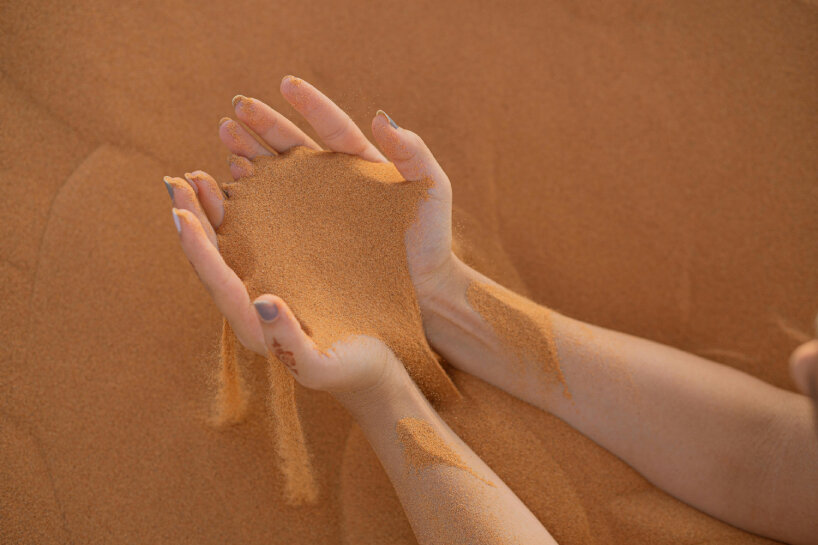
"Researchers at the Norwegian University of Science and Technology and the University of Tokyo have made a prototype of botanical cement made of desert sand and plant-based additives in hopes that it can be used to build houses and roads. Once mixed, the team adds tiny pieces of wood together and presses them all with heat to produce the cement."
"The one they've developed is sturdy enough that it can be used to make paving stones for pavements and walkways, the researchers say. At the moment, the researchers are still testing if it's possible to use the material for construction, but in case it is suitable, the team believes it can reduce the need to crush mountains and collect river sand, which in turn can reduce the harmful impact on the environment."
A prototype botanical cement uses desert sand, plant-based additives, and tiny wood pieces pressed with heat to form a binding material. Different temperatures, pressing forces and sand types were tested to optimize production. The resulting material is sturdy enough for paving stones and walkways. Ongoing tests evaluate suitability for broader construction. Using desert sand could reduce the need to crush rock and extract river sand, lowering environmental harm and exploiting abundant desert resources. Desert sand is usually too fine-grained to bind in conventional concrete, but mixing it with plant additives and wood creates a refreshed construction material. Global cement production exceeds four billion tonnes yearly and accounts for about eight percent of carbon emissions.
Read at designboom | architecture & design magazine
Unable to calculate read time
Collection
[
|
...
]