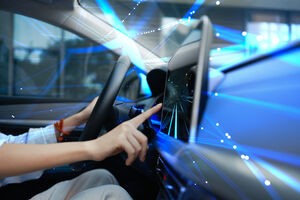
Connected vehicles are evolving into software-defined, sensor-rich, permanently online systems that expose automotive and transportation companies to expanded legal frameworks traditionally outside their industry. These vehicles require compliance with telecommunications licensing and cross-border connectivity rules, data protection and sharing obligations, cybersecurity and Over-The-Air governance standards, product liability for automated features, eCall requirements amid network sunsets, national security supply-chain controls, and intellectual property disputes. The regulatory liability depends on the business model adopted by each company. Connected car stacks including M2M/eSIM, Wi-Fi hotspots, voice/SMS, infotainment, and OTA systems trigger communications law obligations such as regulatory authorizations, lawful interception readiness, law enforcement data disclosure compliance, SIM/KYC rules, and open-internet transparency requirements, particularly in EMEA and APAC regions.
"Connected vehicles are becoming software-defined, sensor-rich, and permanently online. This evolution expands both legal exposure across sectors and legal frameworks that were traditionally unfamiliar for the automotive and transportation industry: (i) telecoms licensing and cross-border connectivity, (ii) data protection and data-sharing (e.g. with insurers/ad-tech), (iii) cybersecurity and safe Over-The-Air (OTA) governance, (iv) product liability for automated/Advanced Driver Assistance Systems (ADAS) features, (v) eCall obligations amid 2G/3G mobile network sunsets, (vi) national-security supply-chain controls, and (vii) IP disputes."
"Connected car stacks (machine-to-machine (M2M)/eSIM, Wi-Fi hotspots, voice/SMS, infotainment, OTA) can trigger a number of communications law-related obligations, including regulatory authorisations/licenses, the need for regular filings, lawful-interception, readiness to respond to law enforcement agencies' order for the disclosure of in-vehicle generated data, SIM/KYC rules, and open-internet transparency-especially in the EMEA and APAC."
#connected-vehicles #automotive-regulation #telecommunications-compliance #data-protection #cybersecurity
Read at Global IP & Technology Law Blog
Unable to calculate read time
Collection
[
|
...
]