#valuation
#valuation
[ follow ]
#ipo #anthropic #stock-market #ai #spacex #revenue-growth #ai-infrastructure #semiconductors #nvidia #apple #investment
fromFortune
18 hours agoWhat's rarer than a unicorn? Anthropic didn't just join the Series H club, it almost became the first $1 trillion private company ever | Fortune
The AI startup raised $65 billion at a $965 billion valuation, eclipsing its rival OpenAI in the race to own the technology of the century. Its value is roughly the GDP of Switzerland, more than the combined market cap of every U.S. airline, or more than the entire U.S. defense budget.
Venture
#apple
Apple
from24/7 Wall St.
2 weeks agoTim Cook Just Sold Apple Stock Near All Time Highs. Here Is Why One Analyst Says Alphabet Is the Smarter Trade
Apple’s iPhone rebound and strong cash returns contrast with valuation, insider selling, and potential memory-chip cost inflation risks.



#tesla
Toronto startup
from247wallst.com
3 days agoTesla vs Nvidia: Both Market's Favorite, But One Is a Best Buy Now
Tesla shows improving margins and growing FSD subscriptions, while Nvidia shows rapid AI infrastructure revenue growth and high gross margins at far lower valuation risk.

Business
from24/7 Wall St.
1 week agoWarren Buffett Just Dropped His Loudest Warning Yet: Berkshire's Cash Position Hits All-Time High
Berkshire holds an unusually large Treasury-bill cash position to maximize optionality, accepting underperformance versus equities while waiting for market dislocations to deploy capital.
Venture
from24/7 Wall St.
1 week agoForget Vistra. One Quarter of Orders at GE Vernova Exceeded All of Last Year. That Is the AI Power Trade Worth Owning
Vistra is a wholesale-power-price bet, while GE Vernova offers visible, accelerating data-center power equipment demand with strong backlog, guidance, and reasonable valuation.
from24/7 Wall St.
1 week agoUBS Just Upgraded Jazz Pharma to Buy. New $307 Price Target Could Signal a Turning Point
UBS upgraded Jazz Pharmaceuticals ( NASDAQ:JAZZ | JAZZ Price Prediction) to Buy with a $307 price target, signaling the firm sees a constructive setup the market hasn't yet priced. For long-term investors, the call lands at a moment when fundamentals, pipeline catalysts, and valuation appear to be converging.
Business
Intellectual property law
fromLondon Business News | Londonlovesbusiness.com
1 week agoWhy intellectual property valuation matters before fundraising, insolvency or a business sale - London Business News | Londonlovesbusiness.com
Intellectual property valuation estimates economic value of intangible assets and supports major business decisions with credible, defensible evidence.



#nvidia

Business
from24/7 Wall St.
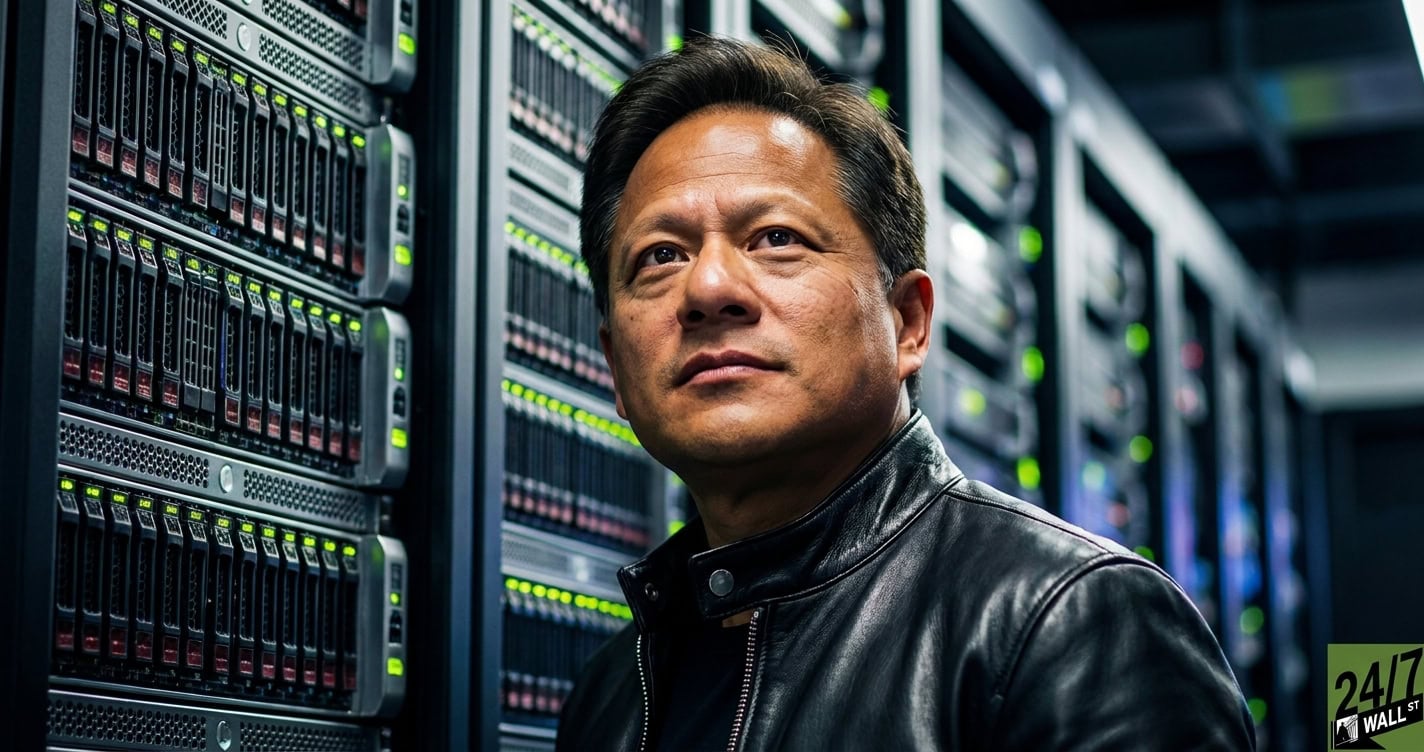
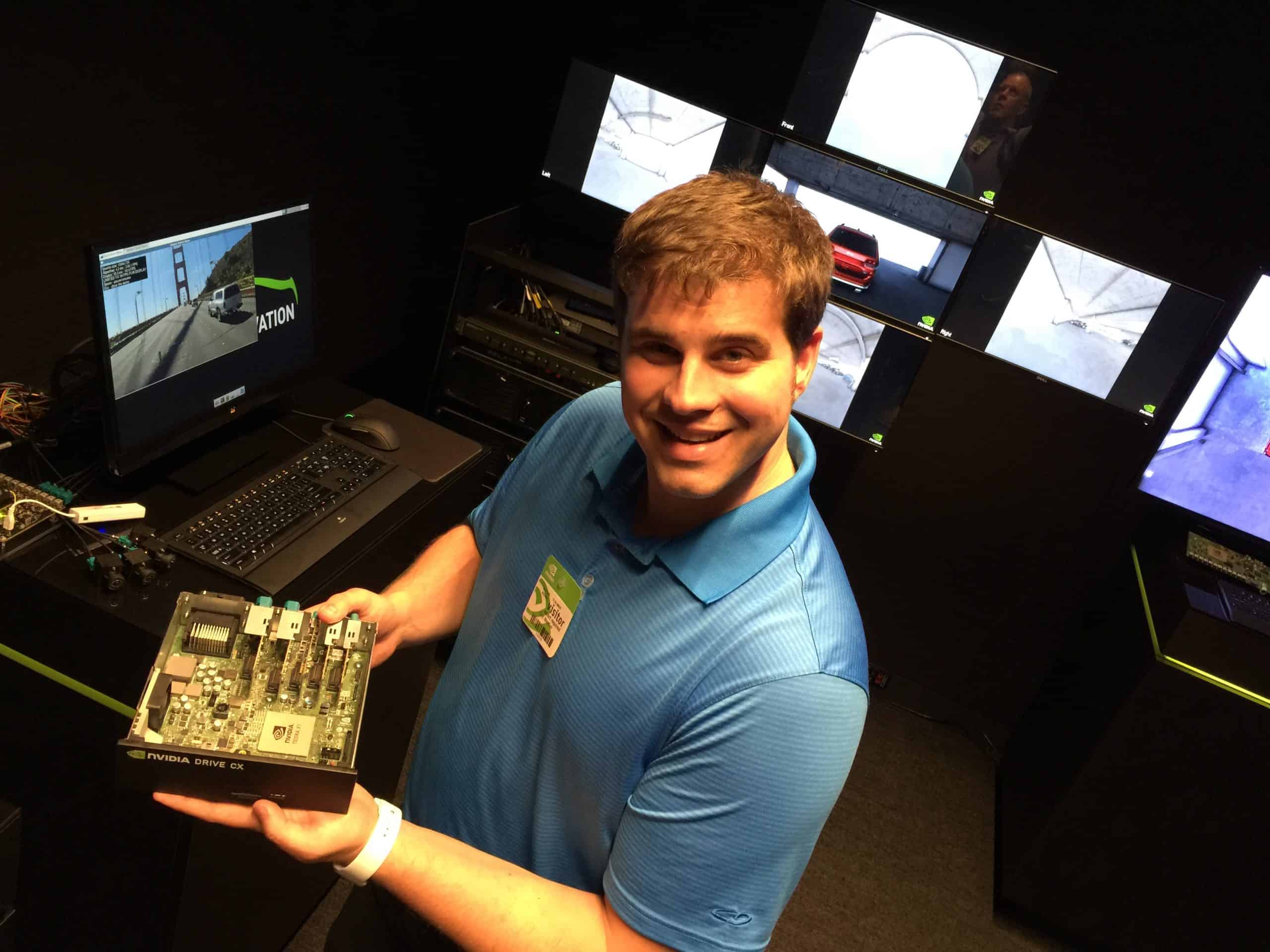
3 weeks agoNvidia's 24.5x P/E Multiple Looks Like a Market Mistake - and the Value Argument Is Only Getting Louder the Longer Shares Drift Sideways
Nvidia's stock is undervalued despite competition, with a forward P/E of 24.5, suggesting potential for growth and investment opportunities in AI.
from24/7 Wall St.
2 weeks agoBofA Hikes Affirm Price Target to $88: Clean Beat and Raise Sets Up the May 12 Investor Day
The analyst upgrade follows a "clean beat and raise" fiscal Q3 2026 report and frames the recent share dip as "a brief air pocket" ahead of the company's investor forum. The new target sits above the Street consensus of $81.71, with Affirm stock closing at $64.01 on May 8 and trading near $62 intraday Monday.
Business

Business
fromFortune
1 month agoAccording to Warren Buffett's math the stock market is officially in 'playing with fire' territory. So when is the next crash coming? | Fortune
Warren Buffett's Indicator suggests current stock market valuations are dangerously high, indicating potential for a significant market correction.
#vast-data
Venture
fromTNW | Investors-Funding
1 month agoVAST Data raises $1B at $30B valuation with Nvidia backing as AI data infrastructure demand accelerates
VAST Data raised $1 billion in Series F funding, achieving a $30 billion valuation, significantly increasing from its previous valuation of $9.1 billion.
[ Load more ]