#tsmc
#tsmc
[ follow ]
#semiconductors #ai-chips #chip-manufacturing #nvidia #intel #trade-secrets #tariffs #taiwan #stock-performance




from24/7 Wall St.
1 month agoRetirees Are Using EWT to Ride Taiwan's Semiconductor Dominance
Taiwan Semiconductor Manufacturing (NYSE:TSM) sits at the center of this fund, representing 22.3% of the portfolio - a concentration that reflects TSMC's irreplaceable role in global chip supply chains. It manufactures chips for Apple, Nvidia, AMD, and virtually every other major technology company, and that dominance shows up in its financials: 45% profit margin and 35% return on equity that few industrial companies anywhere in the world can match.
Business
from24/7 Wall St.
2 months agoTSMC Expands AI Chip Production to Japan
Taiwan Semiconductor Manufacturing Company (NYSE:TSM) is expanding production of advanced AI semiconductors to Japan, marking a significant geographic diversification for the world's leading chipmaker. The move addresses surging demand for cutting-edge chips while reducing geopolitical risk tied to Taiwan-based manufacturing. The expansion comes as TSMC reported Q4 2025 revenue of $33.73 billion, up 20.5% year-over-year, with net income climbing 35% to $15.2 billion.
Artificial intelligence

fromThe Nation
3 months agoHow Taiwan Became the Chipmaker for the World
When Donald Trump nominated Elbridge Colby as the undersecretary of defense for policy, the news stirred headlines in Taiwan. Colby, who has since been confirmed, had repeatedly stated on social media that if China ever invaded Taiwan, the US military should destroy TSMC, the world's most important chip manufacturer, to prevent it from falling into Chinese hands. The provocative suggestion has been echoed by Democratic Representative Seth Moulton,
World news


fromComputerworld
3 months agoApple Silicon: As demand grows, is TSMC driving a harder bargain?
The gold rush across the high-end processor market might help Apple's processor manufacturing partner, TSMC, drive harder bargains than in the past. That's because Apple's huge appetite for processors is being met by fast-growing demand for chips for servers. As a result, the cost of the chips used inside Macs, iPads, and iPhones will likely increase, putting even more inflationary pressure on Cupertino's bottom line.
Apple

fromwww.mercurynews.com
4 months agoRivian unveils AI chip for automated driving, ditches Nvidia
Rivian Automotive Inc. has developed its own artificial intelligence chip, replacing Nvidia Corp. technology as part of a broader push to add and enhance automated-driving features in future vehicles. The automaker will equip its upcoming R2 sport utility vehicles with Rivian Autonomy Processor 1 chips and a new lidar sensor. Taiwan Semiconductor Manufacturing Co. will produce the chips that, combined with the new sensor and AI model developments, will bolster Rivian's efforts to eventually offer autonomous driving capability.
Artificial intelligence


from24/7 Wall St.
5 months agoThis Critical AI Stock Is Now Building Factories in the U.S.
In the high tech universe, there is only a single common road that Nvidia (NASDAQ: NVDA), Advanced Micro Devices (NASDAQ: AMD), Apple (NASDAQ: AAPL), Qualcomm (NASDAQ: QCOM), Broadcom (NASDAQ: AVGO) and many others must go to get their chips made, no matter where they hail from. That road inevitably leads to Taiwan Semiconductor Manufacturing Company Ltd. (NYSE: TSM), the largest semiconductor foundry on the planet.
Tech industry
fromInfoWorld
5 months agoGoogle's cheaper, faster TPUs are here, while users of other AI processors face a supply crunch
That doesn't mean it will be all plain sailing for Google and its TPU customers, though: Myron Xie, a research analyst at SemiAnalysis, warned that Google might also face constraints in terms of chip manufacturing capacity at Taiwan Semiconductor Manufacturing Company (TSMC), which is facing bottlenecks around limited capacity for advanced chip packaging. Designed for TensorFlow Ironwood is the seventh generation of Google's TPU platform, and
Artificial intelligence
fromTESLARATI
5 months agoTwitter co-founder Jack Dorsey endorses Elon Musk Tesla pay package
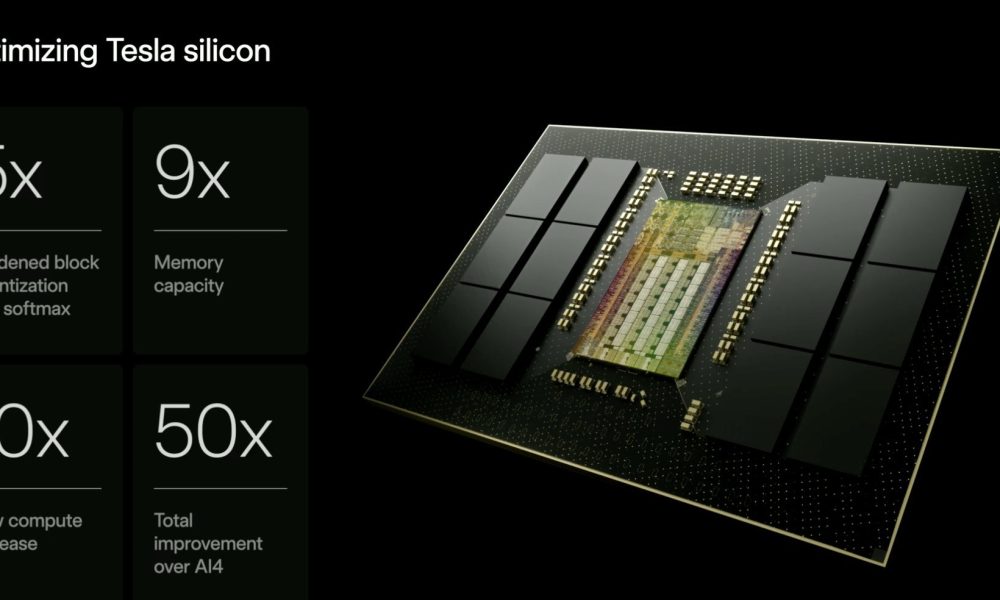
The AI5 chip is Tesla's next-generation hardware chip for its self-driving program, Optimus humanoid robots, and other AI-driven features in both vehicles and other applications. It will be the successor to the current AI4, previously known as Hardware 4, which is currently utilized in Tesla's newest vehicles. AI5 is specially optimized for Tesla use, as it will work alongside the company's Neural Networks to focus on real-time inference to make safe and logical decisions during operation.
Artificial intelligence
Artificial intelligence
fromThe Motley Fool
7 months agoWhat Are the 2 Best Bargain Artificial Intelligence (AI) Stocks to Buy Right Now? | The Motley Fool
Taiwan Semiconductor Manufacturing (TSMC) is a diversified, highly profitable chip foundry positioned as a valuable, undervalued AI investment benefiting from strong demand.
Tech industry
fromBusiness Insider
8 months agoLeadership and business lessons from TSMC's 94-year-old billionaire founder, Morris Chang
Morris Chang founded TSMC and built the world’s largest chipmaker by prioritizing operational excellence, focused learning, calculated risk-taking, and following interests over money.
fromGSMArena.com
8 months agoReport: TSMC 2nm chips on track for Q4 mass production
Earlier this year, we saw a report which claimed that TSMC is struggling with its 2nm chip yield. This was rumored to lead to delays for key customers like Apple, but a new report from DigiTimes claims that TSMC has things under control now and 2nm chip mass production is on track for Q4 this year. According to the new report, TSMC will simultaneously begin mass producing 2nm chips at its Baoshan and Kaohsiung plants in Taiwan, with a combined monthly wafer output of 45,000 to 50,000 units by the end of this year.
Apple

fromTheregister
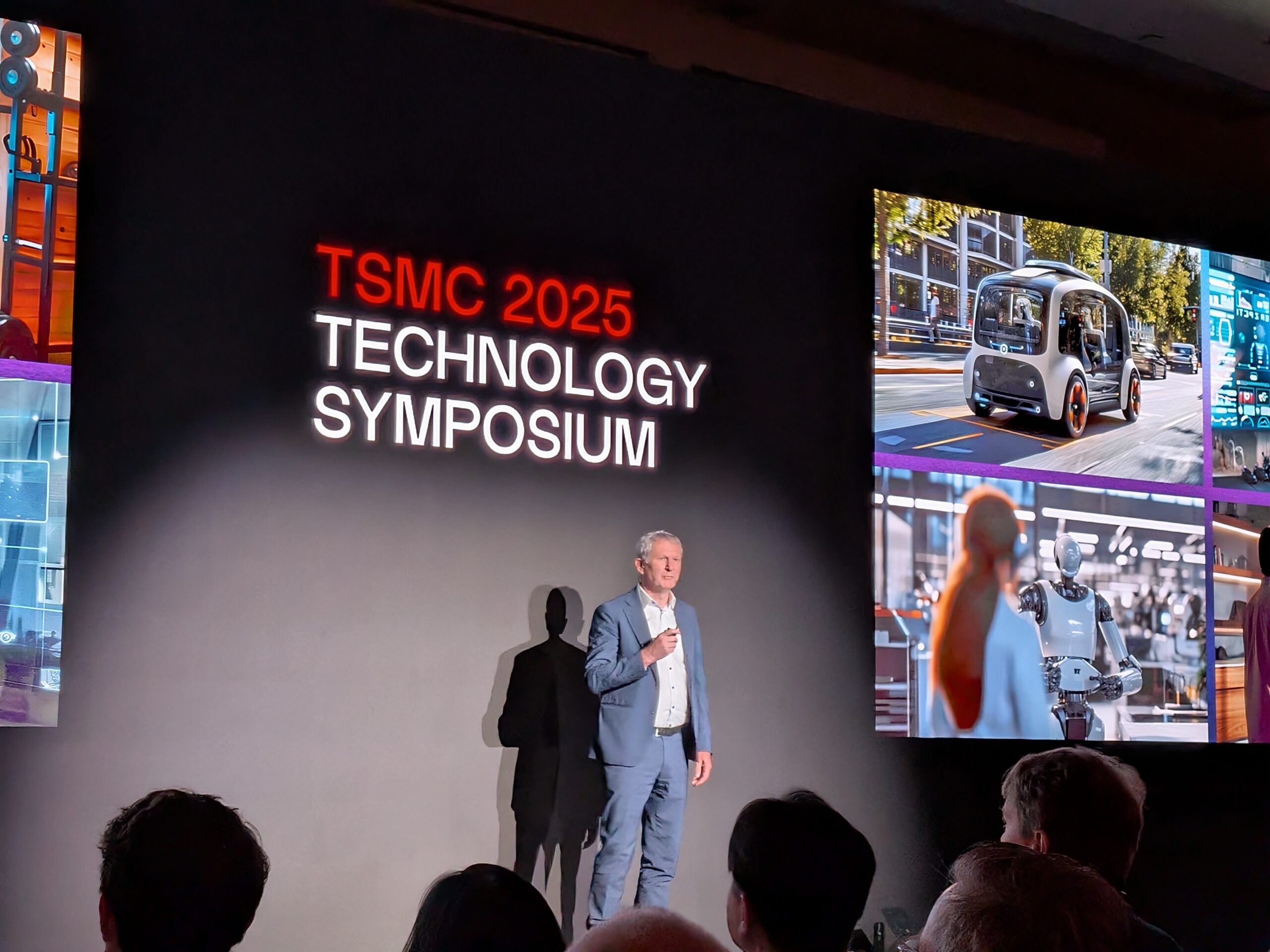
10 months agoTSMC strengthens Japan ties with joint R&D lab in Tokyo
"TSMC and UTokyo are both global leaders in their respective fields, and we hope that this lab will serve as a hub for a broad and long-lasting partnership to expand the boundaries of knowledge in the field of semiconductors and nurture generations of talent for the future."
Tech industry
fromYahoo Finance
11 months agoTrending tickers: The latest investor updates on Meta, TSMC, BioNTech, Applied Digital and BAT
Meta is effectively redefining advertising by fully automating ad creation and targeting through AI, allowing brands to optimize spending and engagement via sophisticated algorithms.
Marketing tech
[ Load more ]