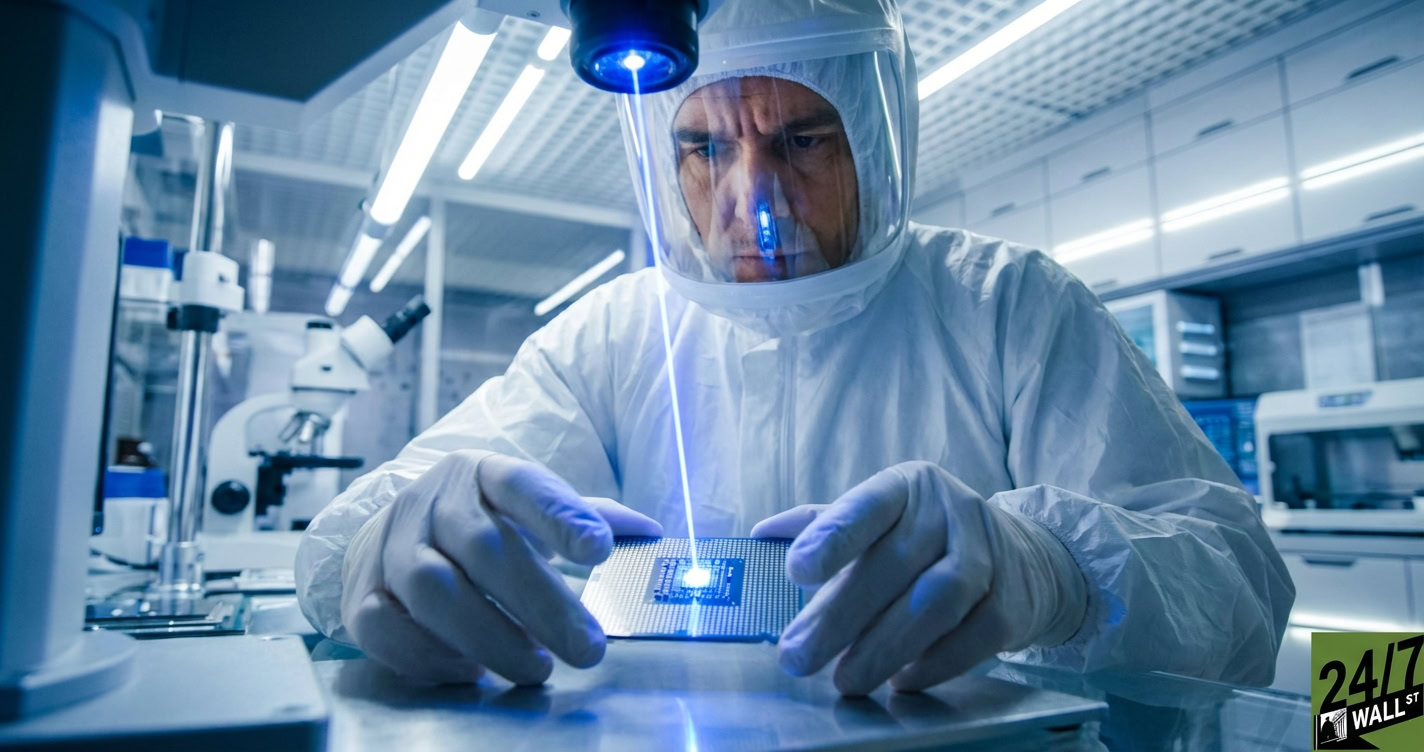
UK semiconductor start-up Fractile has announced a £100 million expansion of its British operations, scaling up in London and Bristol as ministers intensify calls for greater domestic ownership of critical artificial intelligence technology. The investment, to be deployed over the next three years, will fund a new industrial hardware engineering facility in Bristol, alongside the expansion of Fractile's existing UK sites and a significant increase in its domestic workforce. The company is focused on developing AI chips optimised for inference, the stage at which large language models generate outputs, an area of growing strategic importance as demand for real-time AI applications accelerates.
And now, Nvidia is the largest suppler by a long shot of chips for artificial intelligence. Its GPUs have proven to be the best option for training and running AI models. Developers from OpenAI to Google, Anthropic, Meta and Amazon, along with a host of specialized startups, are fighting to get their hands on Nvidia chips. That high demand has made the manufacturer the most valuable company in the world.
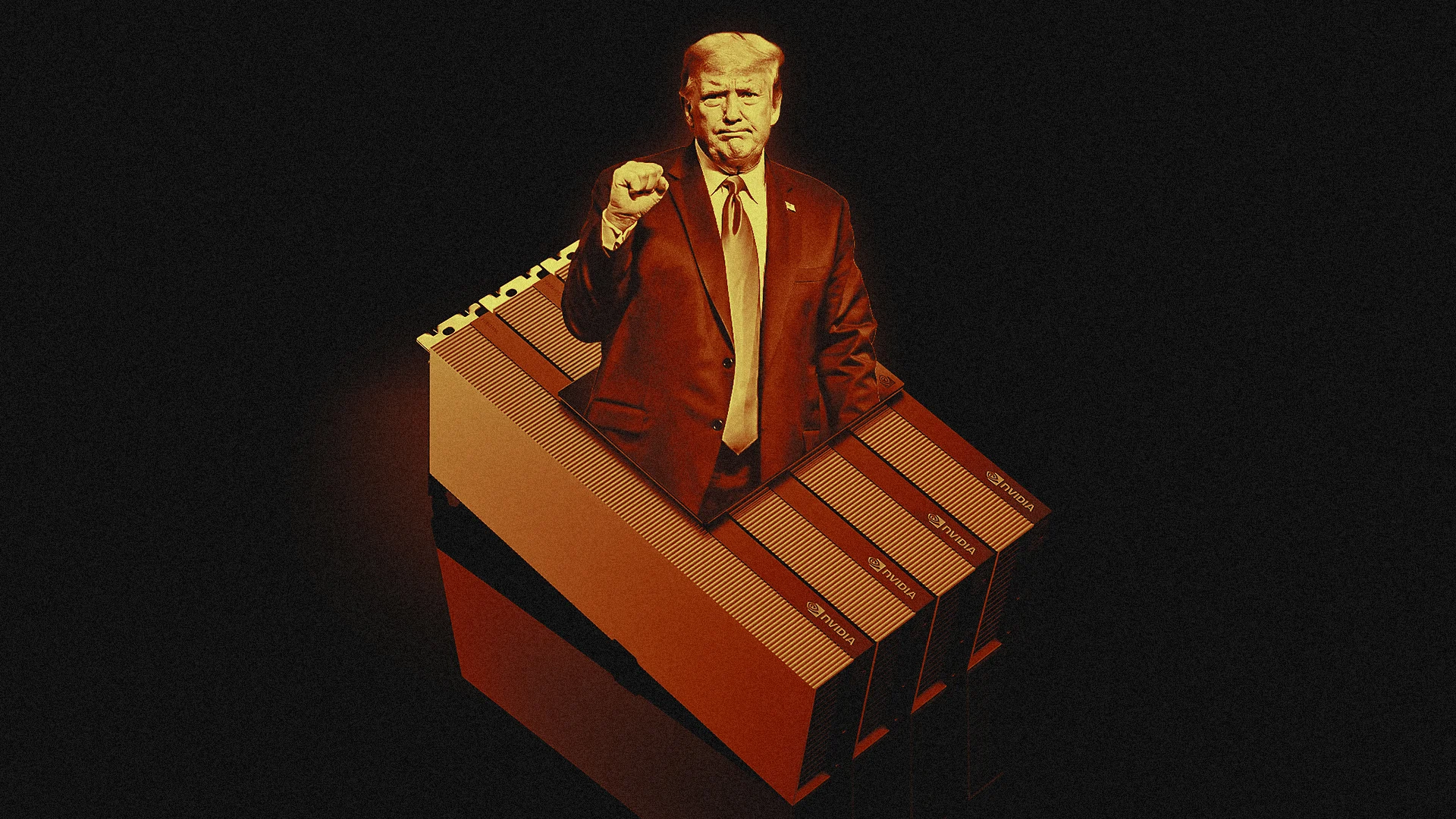
The family solved the problem last year, The Wall Street Journal has discovered, by using the simplest solution that businesses can now employ for a policy obstacle: They seem to have made a deal with the Trump family. Sheikh Tahnoon bin Zayed Al Nahyan, a member of the Abu Dhabi royal family sometimes called the "Spy Sheikh," purchased a 49 percent share in World Liberty Financial, the Trump family's crypto firm, thus sending $187 million to Trump-family-controlled entities.
MediaTek's share price has risen sharply in a short period of time, partly due to increasing attention to the company's role in Google's AI strategy. In two trading days, the share price rose by approximately 19 percent. This brought the Taiwanese chip designer to a new record high on the Taipei stock exchange. The jump in share price follows a period of sustained optimism among investors.
"The CEOs of these companies say, 'It's the embargo on chips that's holding us back,'" Amodei said, incredulous, in response to a question about the new rules. The decision is going to come back to bite the U.S., he warned. "We are many years ahead of China in terms of our ability to make chips," he told Bloomberg's editor-in-chief, who was interviewing him. "So I think it would be a big mistake to ship these chips."
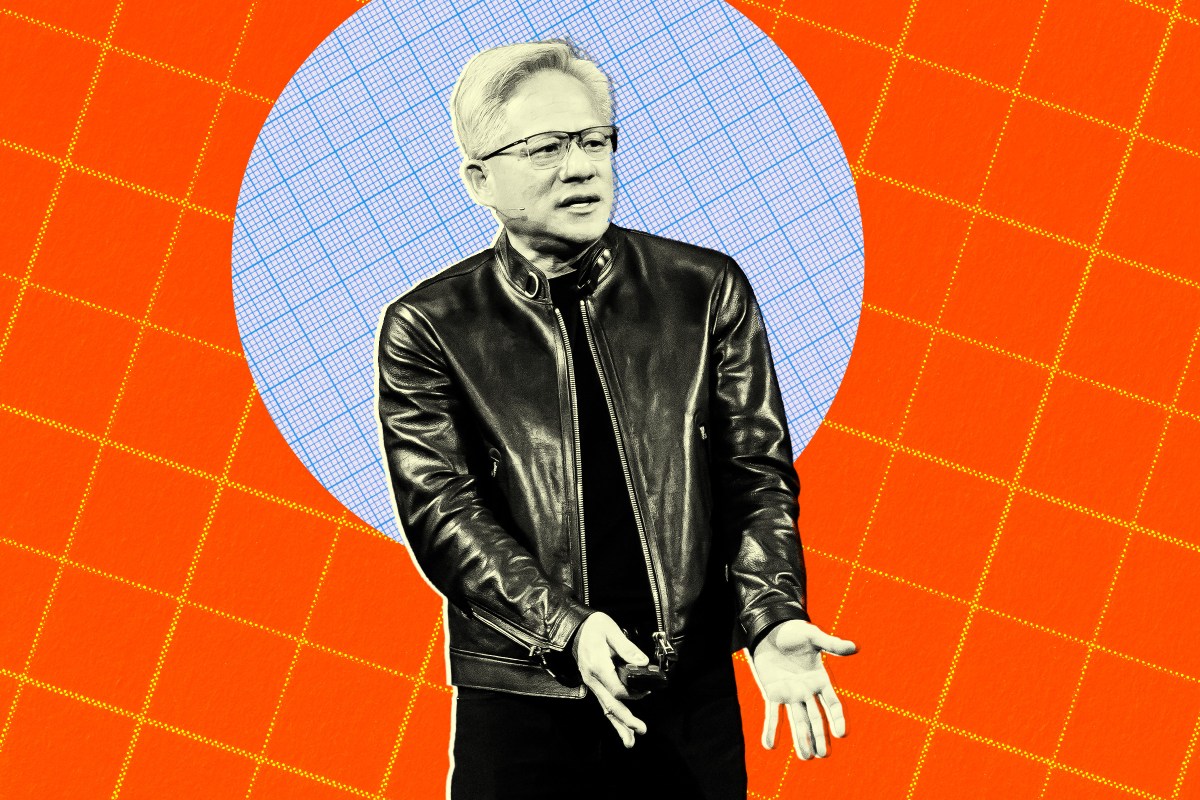
CEO Jensen Huang showed off Cosmos, an AI foundation model trained on massive datasets, capable of simulating environments governed by actual physics. He also announced Alpamayo, an AI model specifically designed for autonomous driving. Huang revealed that Nvidia's next generation AI superchip platform, dubbed Vera Rubin, is in full production, and that Nvidia has a new partnership with Siemens. All of this shows Nvidia is going to fight increased competition to retain its reputation as the backbone of the AI industry.
On Wednesday, shares of MetaX Integrated Circuits Shanghai - a GPU startup founded by former AMD executives - skyrocketed as much as 755% on their first day of trading on the Shanghai Stock Exchange's tech-focused STAR Market, before closing up about 700%. The surge catapulted its chairman and cofounder, Chen Weiliang, into one of China's fastest-rising tech moguls. Chen's stake in MetaX is worth about $6.5 billion, according to the Bloomberg Billionaires Index.