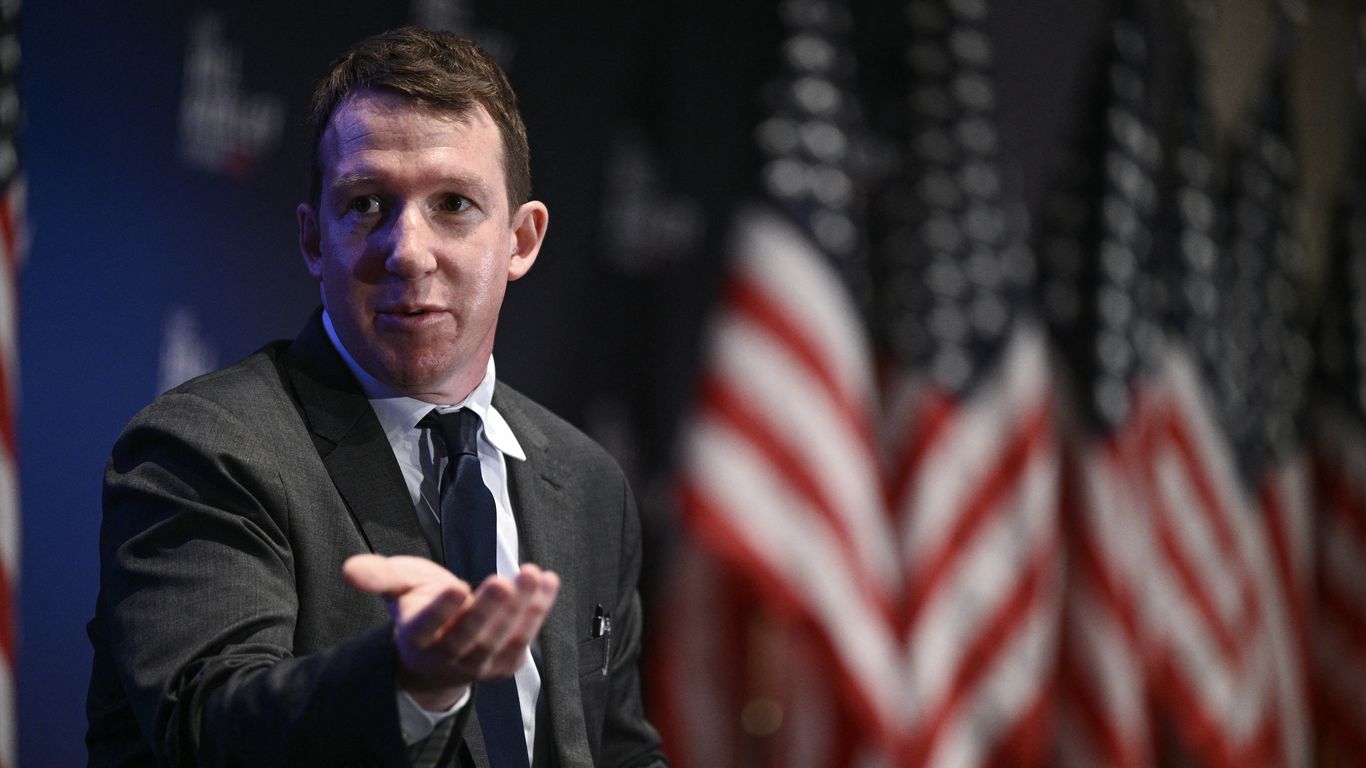
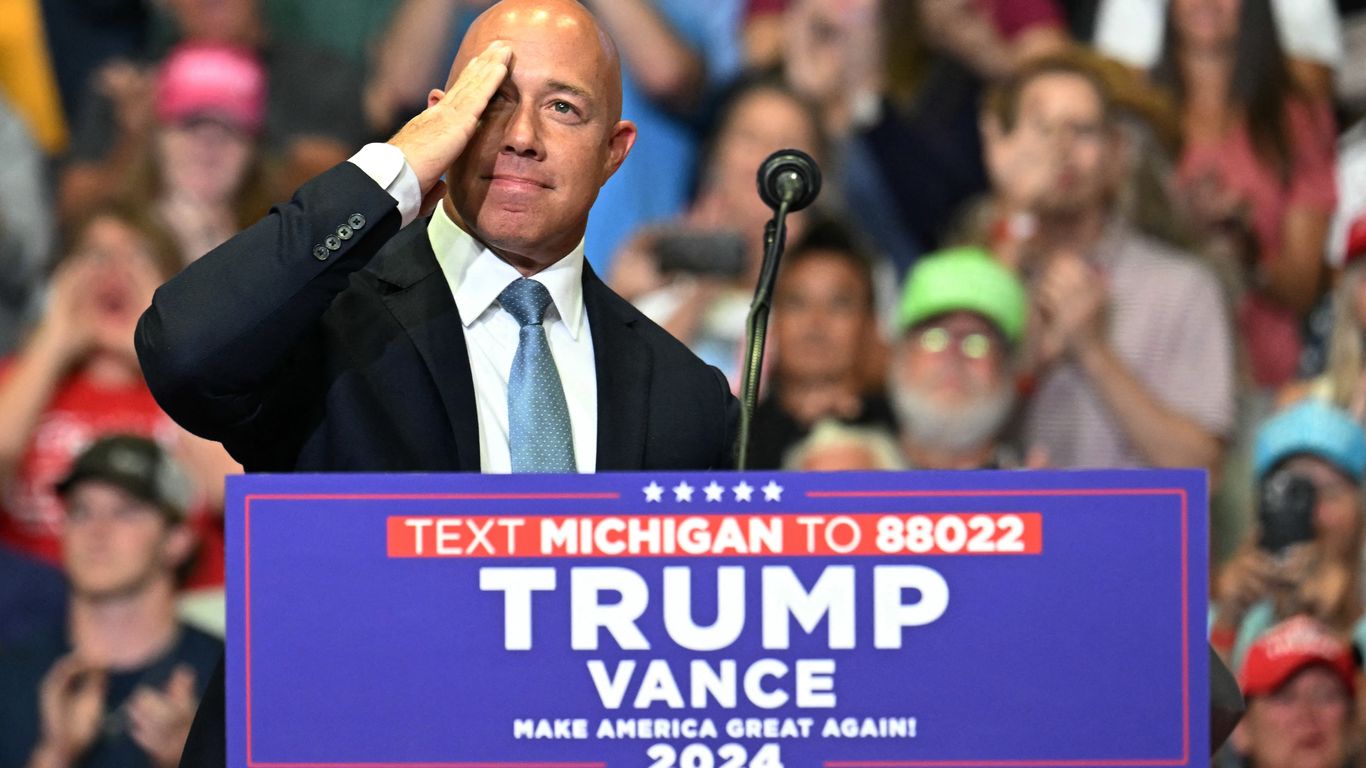
Rep. John Moolenaar, R-Mich., sent a letter Thursday to NSF interim director Brian Stone asking the agency to revoke China-linked entities' access to the Advanced Cyberinfrastructure Coordination Ecosystem: Services & Support - or ACCESS - program, according to a copy of the missive first seen by Nextgov/FCW. ACCESS is a free, nationwide collection of supercomputing systems made available to academics and other researchers. It's frequently used across U.S. institutions and national labs to assist with national security and economic research.
When Benchmark led a financing round for Manus earlier this year, the investment sparked immediate controversy. U.S. Senator John Cornyn complained about the deal on X, and the investment prompted inquiries from the U.S. Treasury Department around new rules restricting American investment in Chinese AI companies. The concerns were significant enough to spur Manus's eventual relocation from Beijing to Singapore part of what drove the company's step-by-step disentanglement from China, as one Chinese professor described it on WeChat this past weekend.
In 2022, Jake Sullivan, then national security adviser under President Joe Biden and a powerful figure in the White House's foreign policy team, assembled an interagency planning exercise out of the Situation Room: What were all the possible circumstances and outcomes of an AI arms race between the US and China - from trade wars to real wars, possibly even the arrival of AGI - and how would the federal government respond?
Federal authorities arrested an East Bay man over an alleged scheme to evade national security-related technology export controls and send powerful, highly sought after computer chips made by Santa Clara company Nvidia to China. Chinese citizen Cham Li, 38, also known as Tony Li, of San Leandro, conspired with two U.S. citizens and another Chinese national to falsify paperwork, make fake contracts, and mislead the American government,
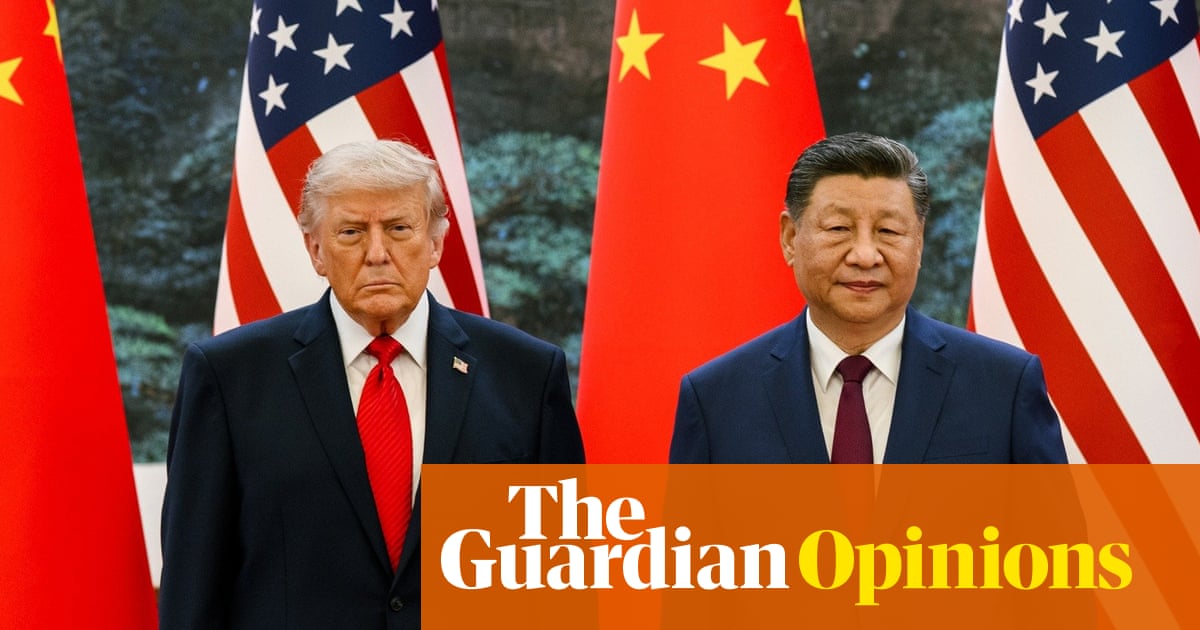
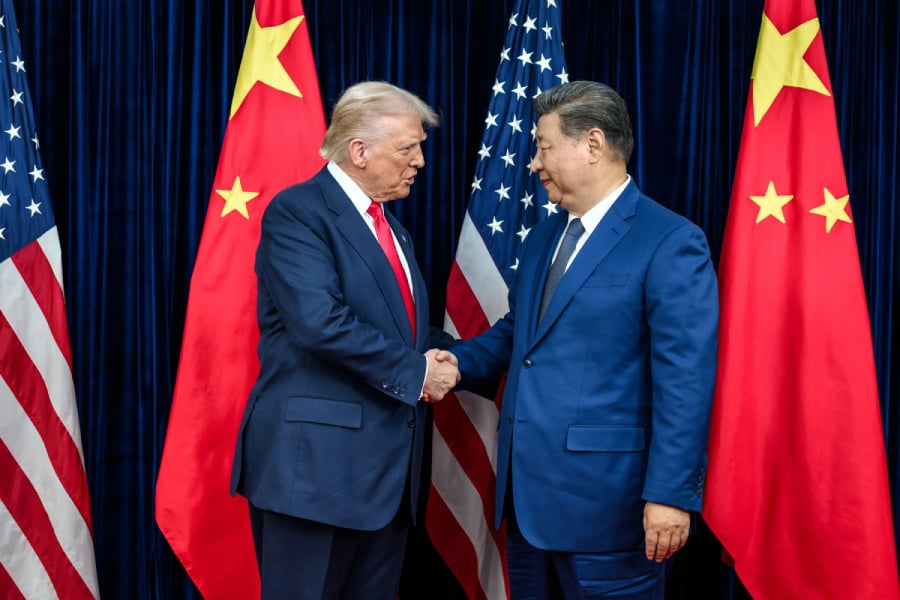
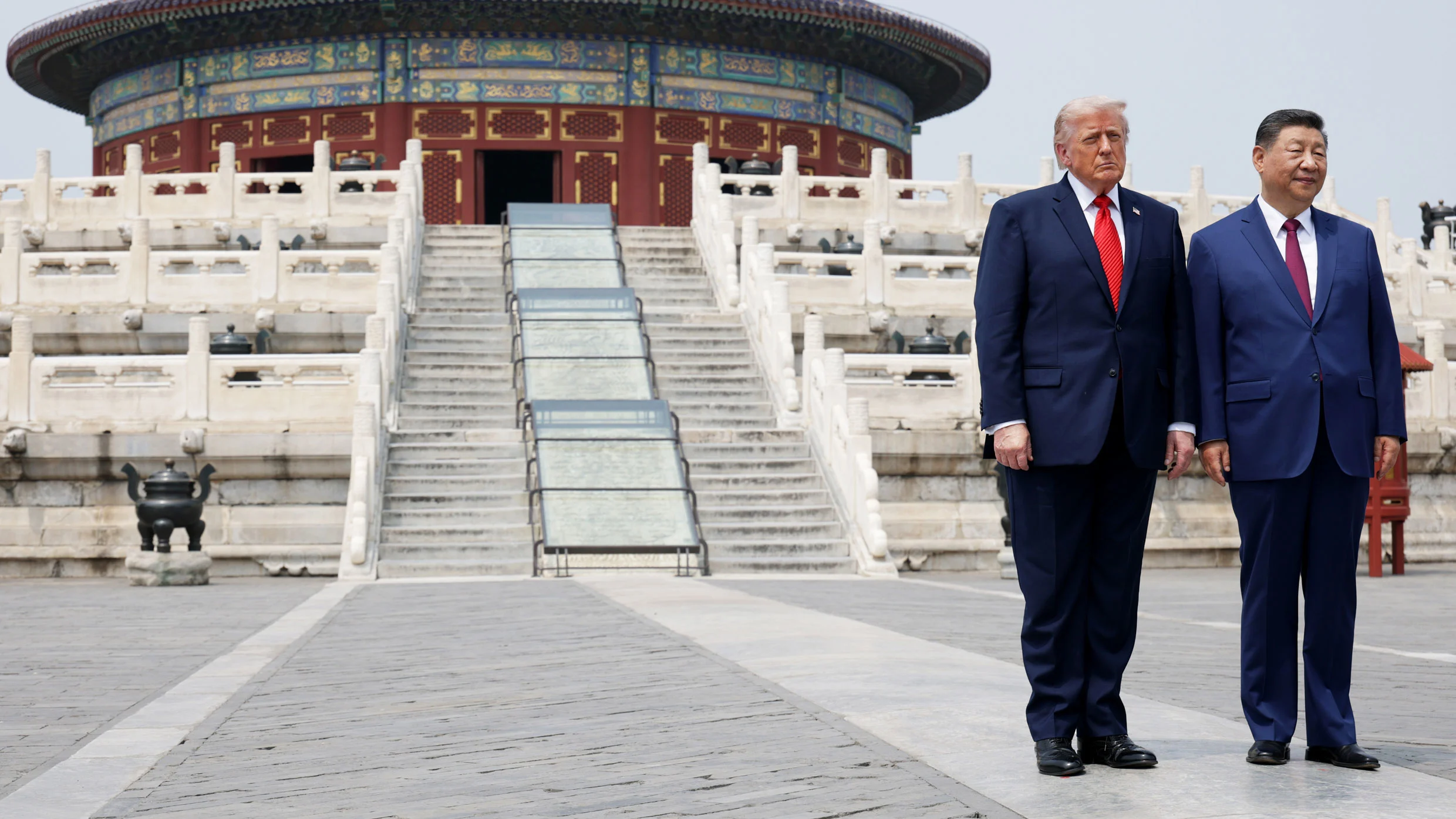
Top U.S. and Chinese officials met in Malaysia on Saturday to lay the groundwork for a summit between Donald Trump and Xi Jinping, with some on Wall Street saying Beijing overplayed its hand by imposing draconian restrictions on rare earth exports. Treasury Secretary Scott Bessent and Chinese Vice Premier He Lifeng held negotiations that the U.S. characterized as constructive. But sources told the Financial Times China was reluctant to ease the export controls.
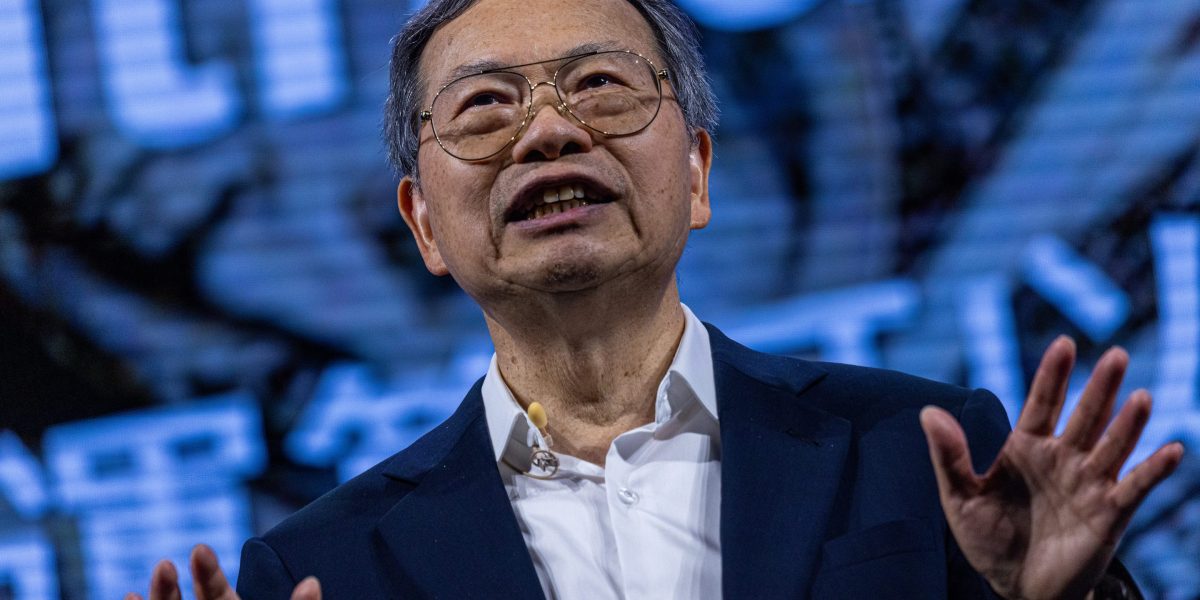
The company has also denied allegations that it has failed to pay employee salaries, claiming that its recently ousted CEO, Zhang Xuezheng, was actively spreading "falsehoods" after the Dutch Ministry of Economic Affairs took control of the firm last week, according to a statement obtained by Bloomberg. Based in the Netherlands, the Chinese-owned chipmaker produces components for, among other things, electronic control units (ECUs) used in automobiles.
In an interview with Fox News' Sunday Morning Futures, he also mixed in some flattery for Chinese President Xi Jinping while still airing some grievances. "I'm not looking to destroy China," Trump said. Earlier this month, he announced an additional 100% tariff and software restrictions on China, which has a stranglehold on the world's supply of rare earths and imposed tighter export controls that threaten a wide range of industries.