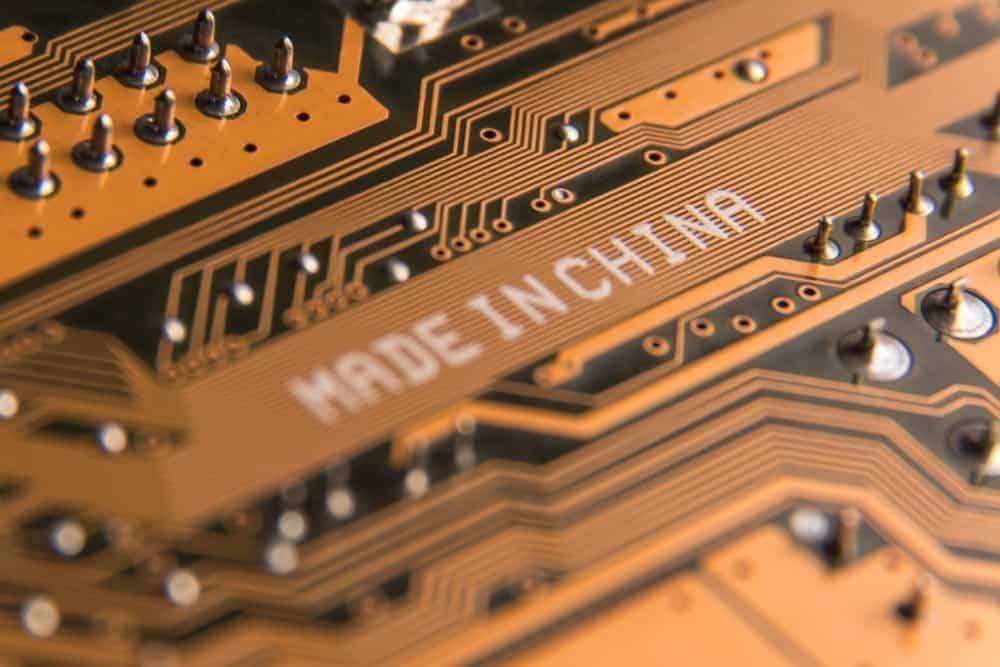
The US blocked SMIC's 2018 ASML EUV purchase and tightened export controls, prompting China to pursue domestic advanced lithography. A reported working prototype emerged in Shenzhen from a concentrated national effort likened to a 'Manhattan Project.' Beijing aims to rapidly convert semiconductor theory into production; domestic EUV-based processors could appear by 2028, independent of ASML. EUV lithography became viable for mass production around 2017–18 and remains concentrated at TSMC, Samsung, and Intel. EUV systems are massive, energy-intensive, costly, and uniquely precise. China has lacked access to EUV and faces bans on the latest DUV equipment, leaving SMIC to push DUV to its limits.
"When Chinese chipmaker SMIC ordered an ASML EUV machine in 2018, the US government intervened to block the sale. Five years later, amid a relentless tightening of export controls, then-ASML CEO Peter Wennink warned of an inevitable backlash: China would be forced to develop the world's most advanced chipmaking technology on its own. That warning is now becoming a reality."
"ASML delivered its first EUV lithography machine in 2010, though it was still a prototype. EUV lithography, short for Extreme Ultraviolet, has only been viable for mass production since 2017-18. Currently, EUV machines are exclusively operated in Taiwan (TSMC), South Korea (Samsung), and the US/Europe (Intel). These are massive, energy-intensive, and incredibly expensive systems, but their unparalleled precision, achieved by lasers operating at the far reaches of the light spectrum, makes them indispensable for the most advanced chips."
Read at Techzine Global
Unable to calculate read time
Collection
[
|
...
]