Berlin music
fromBerlin Art Link
1 day agoWhat To See During Gallery Weekend Berlin | Berlin Art Link
Gallery Weekend Berlin 2026 features 50 galleries showcasing over 80 exhibitions from May 1-3, with additional events across the city.
Much of Instagram's video content is organized around transformation-the virtual magic of the before-and-after and clips that show cause and effect. A person makes pasta from scratch in 20 seconds via edits that compress time-intensive labor.
"These paintings merge the landscape and the intimacy of windows through the framing of the car, bridging the two realms I've typically explored separately. The car becomes a meditation on transition, on existing simultaneously here and elsewhere."
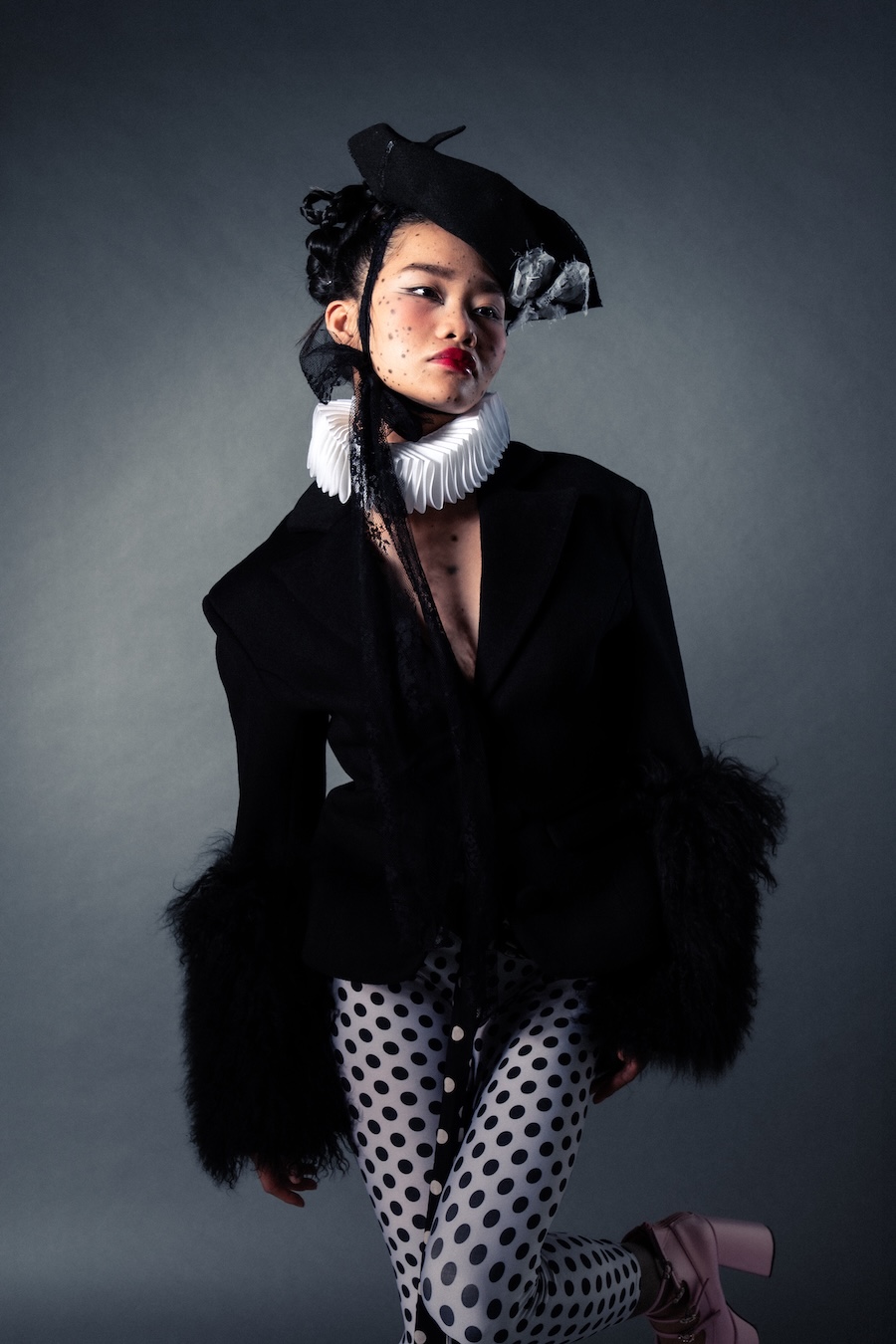
From February 17 to March 10, 2026, the vibrant intersection of fashion and art will come alive at Platte Berlin with SPOTLIGHT ON BLACK CREATIVITY. This unmissable pop-up exhibition showcases the brilliance of Black designers and visual artists, setting the stage for an extraordinary celebration of heritage and contemporary expression. Dive into a world where creativity knows no bounds, featuring groundbreaking brands such as adesa, Amaluma Studio, Gelisa George, Dinga, Azea Zalea, and GEMZ.
Sand Art is a game by Kory Jordan and published by 25th Century Games for two to four players ages 10 and up. It takes about an hour to play, and has you collecting resources and then coloring in a bottle, making art in a bottle out of sand, in case the name didn't give away the plot. Gameplay Overview: Sand Art has you gathering and mixing sand, which is used to fill your bottle.
Originally from Dallas and now based in New York City, I approach photography as an exercise in atmosphere, trust, and control. Trained in the discipline of film and later in fashion photography, I work with both natural and artificial light to construct images that feel cinematic and psychologically charged. Moving fluidly between studio and location, I transform spaces into environments that heighten mood and presence.
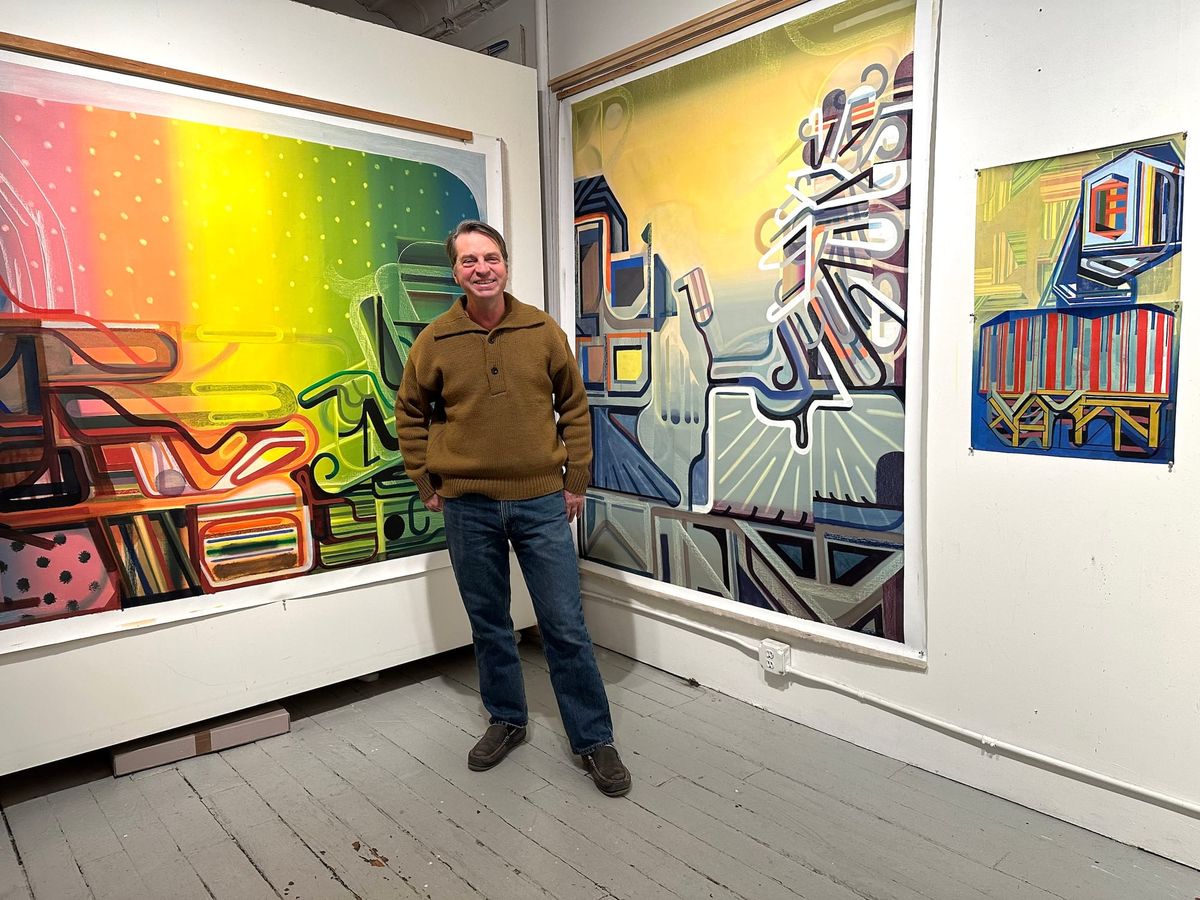
In many ways working in the tradition of Kazimir Malevich and Josef Albers, his compositions employ a language of squares and rectangles known as "Cells" and "Prisons," connected by bold lines called "Conduits." Together, these geometric and linear arrangements tap into the inherent geometry that structure reality, and conceptually refer to the construction of everyday life, both public and private as well as physical and psychological.
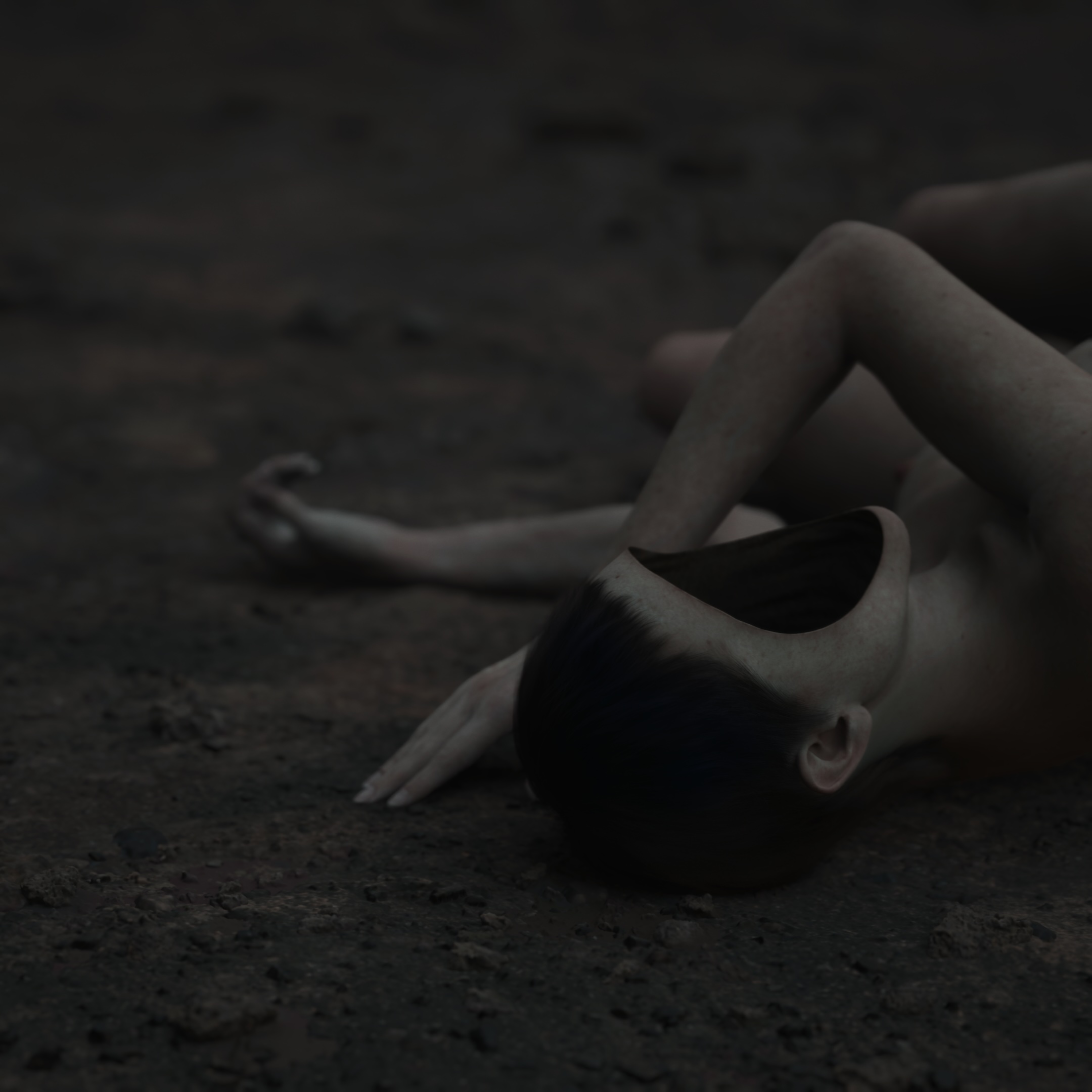
As we traverse an era dominated by algorithms and driven by the impulse for efficiency, we increasingly sacrifice our ability to feel. In this "age of emotional poverty," highlighted by philosopher Byung-Chul Han, our emotional landscapes grow flatter, our pains diluted, and genuine intimacy replaced with a sterile digital façade. However, in Gulu's evocative imagery, the body emerges as a resilient space of resistance, pushing back against a world that demands we conform to neat, predictable narratives.
Myriam Jacob-Allard appears through a heavy door and greets us with an easy warmth, scooping us up and welcoming us into her world. We are immediately absorbed by an unexpected color-drenched stairwell. Every surface is saturated in a dense, glowing yellow that reads unmistakably as egg yolk, insulating us from the outside in as we make our ascent. We turn into a long hallway whose fragrant freshly waxed floor catches the light, reflecting it back upward so that the corridor seems to glow beneath our feet.
On Franklin Street in Brooklyn's Greenpoint neighborhood, one non-commercial gallery fosters 'a small, stubbornly human space for friction.' Friction—the ubiquitous buzzword that captures the simultaneous delight and discomfort of doing things the slow way—is at the heart of artists Pap Souleye Fall and Char Jeré's current show at Subtitled NYC. It also reflects the overall spirit of this little exhibition space and of a burgeoning movement to reject our culture of optimization in favor of a bumpier, more intimate, less alienating experience.
Presented by the Luma Foundation in Engadin, Switzerland, as part of Elevation 1049, STRIP TOWER (962) brings Gerhard Richter's long-running investigations into the Alpine landscape, extending his practice beyond the canvas and into three-dimensional space. On view until the spring of 2029, the work draws from the methodology of his Strip Paintings, where a single painted gesture is subjected to successive acts of photographing, scanning, digital slicing, and stretching.
The longer we wait, the more difficult it will become to remedy the damage. Since 2019, state funding had all but dried up, forcing the foundation to auction works to raise funds to continue the restoration of both the iconic building and its many site-specific works.
Monia Ben Hamouda's work weaves calligraphy, material transformation and ancestral memory into sculptures and installations that oscillate between language and form. In conversation, we traced the conceptual and sensory threads of her practice, unfolding through key works that reflect on heritage, embodiment and translation. Using materials such as iron, stone and pigment, her installations become sites where history is not only referenced but physically felt.
They teach us how to make photo-like drawings. Such renderings look decent but also generic, conventional-like something an AI tool might produce. And they are boring. Why is that? Because they don't mean anything. Meaning An object, like a cup, can mean many different things to us. Now the question is: Which meaning is relevant to you right now? And the answer to this question is what makes your drawing interesting.
The artist is known for his absurdist paintings of animals with overly long legs, contorted bodies, or myriad mutant-like heads or limbs. They're often set amid woodlands or meadows evocative of 18th- and 19th-century academic landscape paintings or depictions of formal hunts. Instead, both domesticated and wild animals graze as normally as they would without dozens of heads or udders attached in unnatural places around their bodies.
The Good, the Bad, the Mischievous: Cool Illustrations by Max Grecke Artist Draws Faces He Sees In Everyday Objects Lithuanian Artists Creates A Tiny Urban Project With City Signs The Graphic Designer Reworking Fashion's Most Iconic Logos Meet Yang Qi, Main Character Designer On 'Black Myth Wukong' Awesome Dad Turns Daughter's Eyepatch Into Art With Amazing Drawings This Artist Removes Make-Up From The Dolls To Give Them A More Realistic Look
Behind its seemingly polished framework, To Empty Out emerges as an exhibition beautifully rife with contradictions that overlay serious and playful themes according to Grzybacz, who often sets out to "clash the forces" of gravity and levity through his chosen subjects. Through sublime florals, bawdy scenes, and raw portraits of social life, Grzybacz balances contemplation and observation, navigating between painterly precision and intuitive expression in this deeply personal exhibition.
German artist Henrike Naumann, known for her installations of furniture and household objects addressing the turmoil of German reunification and showing how aesthetic choices affect political ideology, died in Berlin on February 14. She was forty-one. Her husband, Clemens Villinger, wrote in a statement that her death arrived "after a cancer diagnosis that came far too late." Naumann had been set to represent Germany at the Sixty-First Venice Biennale, opening this spring alongside Vietnamese German artist Sung Tieu.
For their most ambitious exhibition to date, Rae-Yen Song 宋瑞渊 transforms Tramway's vast exhibition hall into a submerged cosmology shaped by ancestral mythologies, Daoism, collective ritual and multispecies kinship. In this phantasmagoric aqueous environment-the most recent project in Song's ongoing world-building practice-life is understood as cyclical, relational and continuously in flux. Titled '*~TUA~* 大眼 *~MAK~*', the exhibition comprises newly commissioned works in sculpture, textiles, printmaking, sound, light and moving image,