#rob-wilkinson
#rob-wilkinson
[ follow ]
#contemporary-art #art #photography #art-exhibition #art-exhibitions #public-art #exhibition #technology #murals
#art
Arts
fromIrish Independent
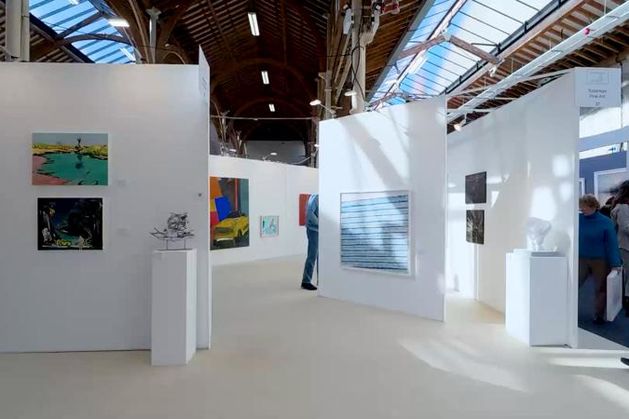
3 weeks ago'You have to step in and experience it' - artists on the rise of AI-generated art and the 'essential' gallery visit
Miriam Fitzgerald Juskova's exhibit combines paper quilling with mathematics, showcasing intricate art that engages viewers and emphasizes the value of handmade creations.
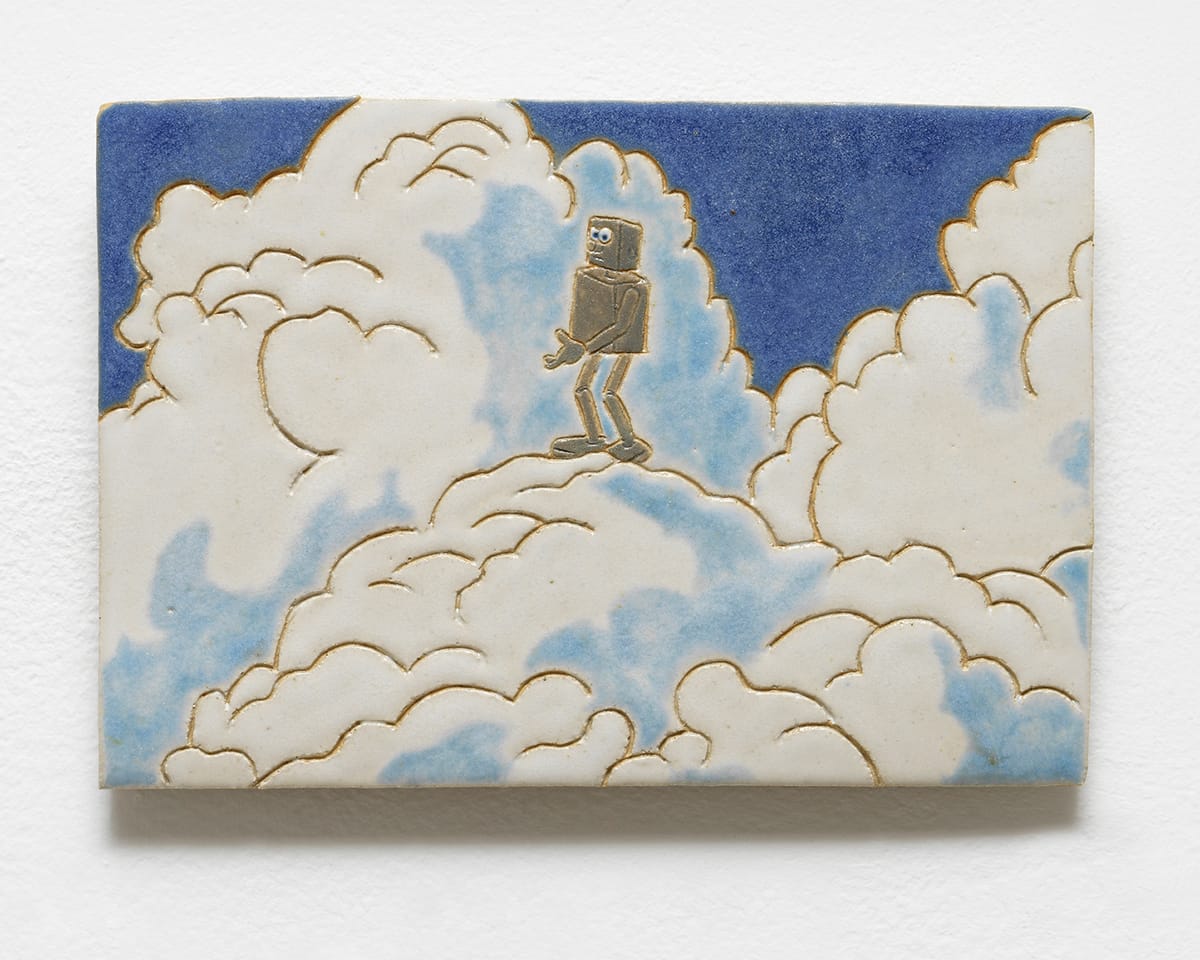
fromItsnicethat
2 days agoMiggie Bacungan's graphic design challenges the artificial flavouring of pop culture imagery
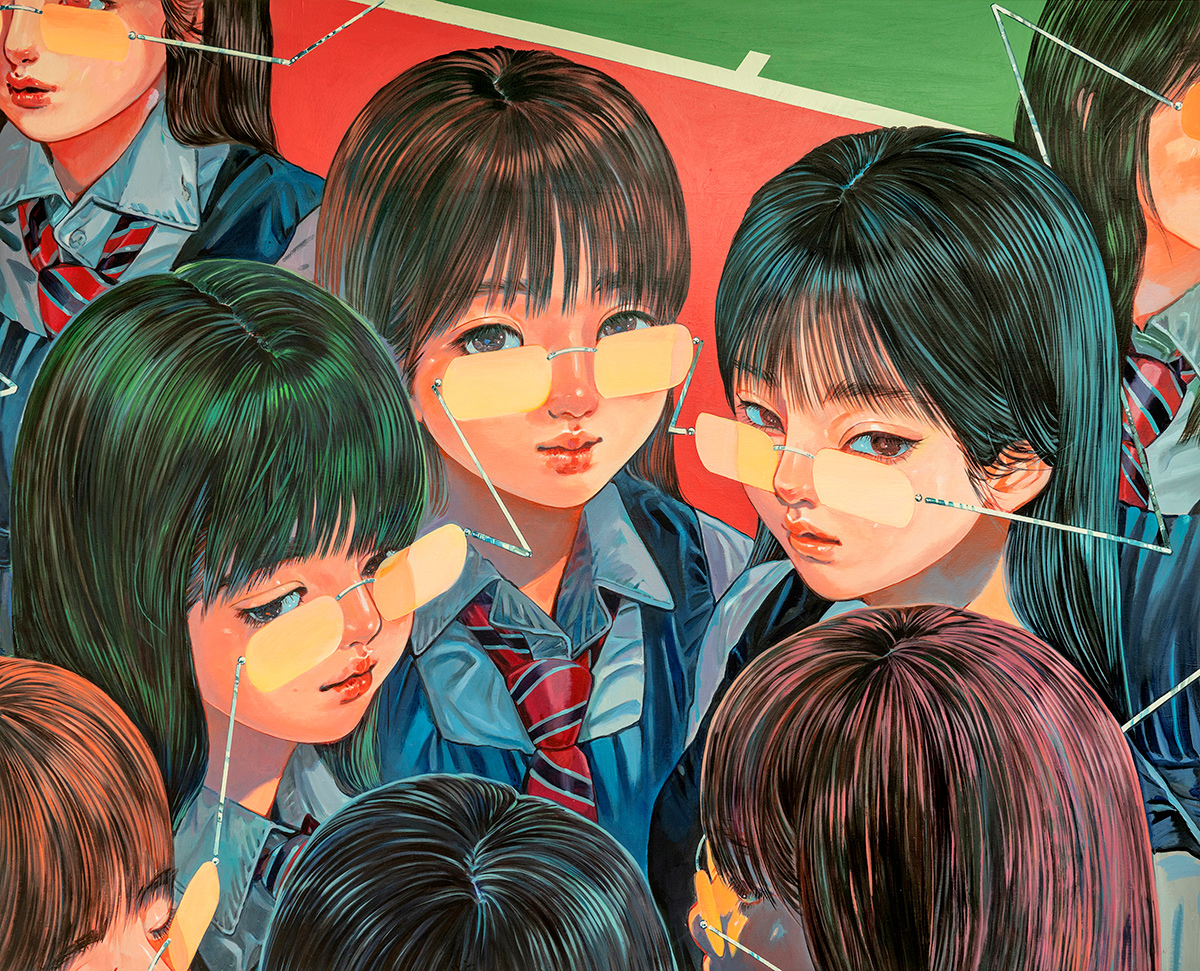
The design elements I would use for my maximalist work takes inspiration from tarpaulin advertisements and posters you would see across Metro Manila. The visual character of these advertisements are really kitsch.
Graphic design
Arts
fromThe Art Newspaper - International art news and events
2 days agoBritish Art Show-exhibiting UK's 'most exciting' art in past five years-announces line up for tenth edition
The British Art Show 10 will showcase contemporary art in five UK cities, focusing on empathy and shared imagination during turbulent political times.
fromOregon ArtsWatch * Arts & Culture News
4 days agoTom Prochaska: Through the Open Door * Oregon ArtsWatch
Tom Prochaska distinguished himself in many mediums: He was a masterful printmaker, an intuitive painter, a builder of papier-mâché figures, a creator of fused glass panels, and graphite-on-paper drawings.
Arts
fromHi-Fructose Magazine - The New Contemporary Art Magazine
2 weeks agoKyle Cobban Draws From The Unknown - Hi-Fructose Magazine
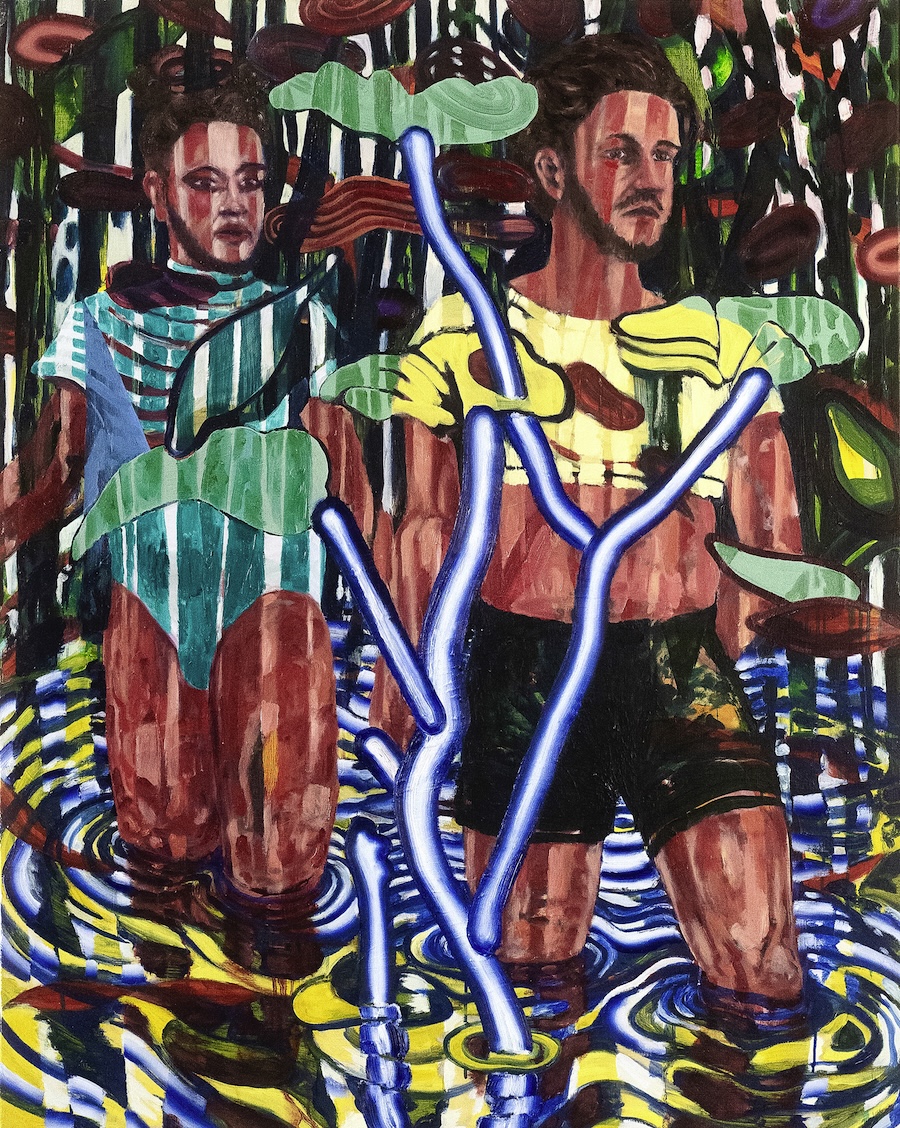
"It's an amalgamation of the Chicago neighborhood aesthetic with a Bulls fan, quite literally. It's kind of on the nose, but that's how I juxtapose the elements of my work, with the structure of a home and then a figure who is around or in the home."
Chicago Bulls
#performance-art

Arts
fromBerlin Art Link
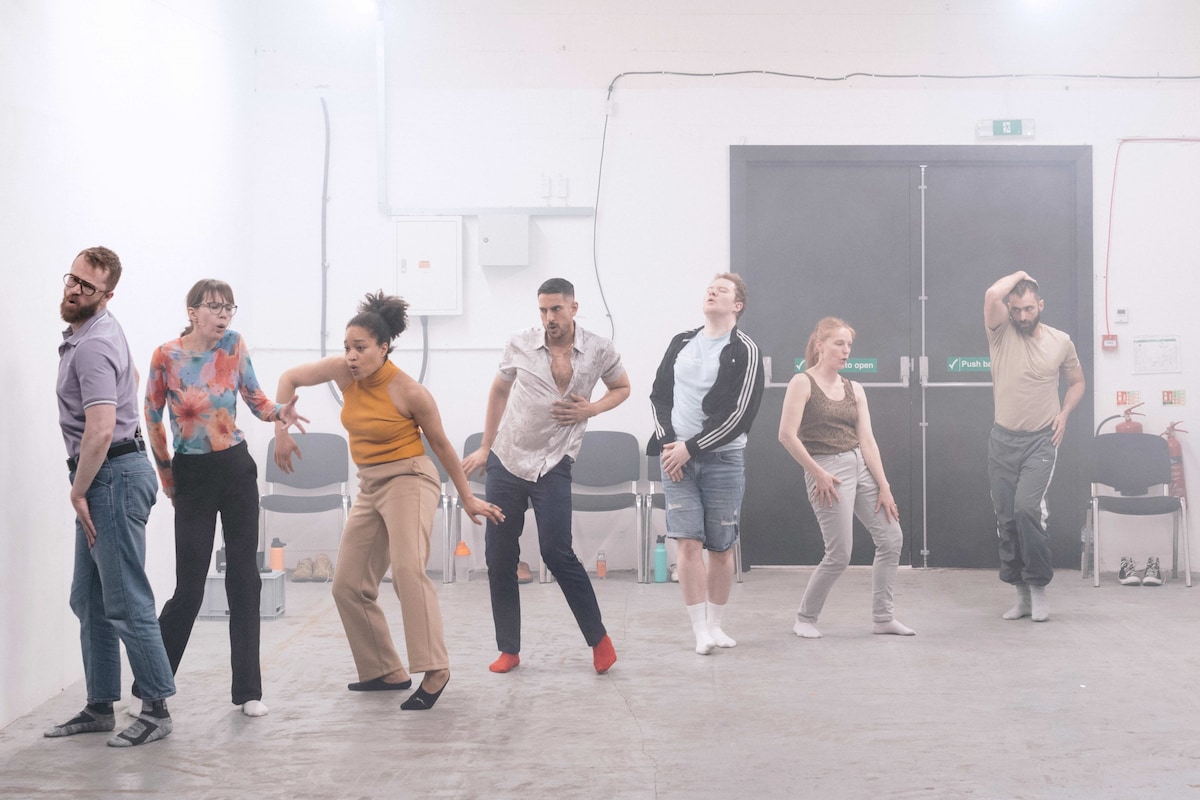
1 month agoAn Interview with William Joys | Berlin Art Link
Theater exposes hidden power dynamics through the body's presence, with artist William Joys exploring these relations through 'The Actress' character who transgresses social hierarchies and blurs distinctions between subject and object.
fromThe Art Newspaper - International art news and events
6 days agoArtist interview: Sarah Rosalena
I see myself first and foremost as a weaver working at the intersection of craft and technology. As an Angeleno, I grew up learning how to weave in the Wixárika tradition of my matriarchal bloodline by watching my mother and my grandmother.
Arts
London
fromTime Out London
1 month agoThe world's biggest gallery for illustrations will open in London in May - and it's just revealed its first exhibitions
The Quentin Blake Centre for Illustration opens in May 2024 as the world's largest illustration gallery, featuring debut exhibitions on Blake's theatrical influences, LGBTQ+ comics history, and emerging artist Murugiah.
fromItsnicethat
1 month agoAbstracted organica: The design trend taking root in Naarm, and the designers doing it best
The ridges of eucalyptus bark, the geometries of shell formations, moss-covered trees, Indigenous grasslands and the hidden networks of fungi beneath the soil. These landscapes produce organic yet abstract patterns - natural systems that quietly shape the way we see and design the world around us.
Graphic design
fromHyperallergic
1 week agoDavid Novros's Portable Murals
Seeing the Alhambra in Granada was an extraordinary experience for me. It was the first time that I understood painting as something other than an object hanging on a wall. I thought that paintings could be in a fixed place, made for that place, made for the light of the place, experienced kinesthetically.
Arts
fromPortland Mercury
1 month agoAt Cooley Gallery, Pop Art by a Nun, Plus Portland-Made Sculptures and Textiles
Upon entry, Kent's "IF" (1965) lures the eye upward. The serigraph-a silkscreen print in fine art parlance-hangs high on the wall with a subtle vulnerability. Two orange letters hover toward the composition's top edge, as if pushing to transcend the picture plane. A feeling of possibility emerges through the conjunction and its visual form.
Portland
#public-art

fromdesignboom | architecture & design magazine
2 months agoArts
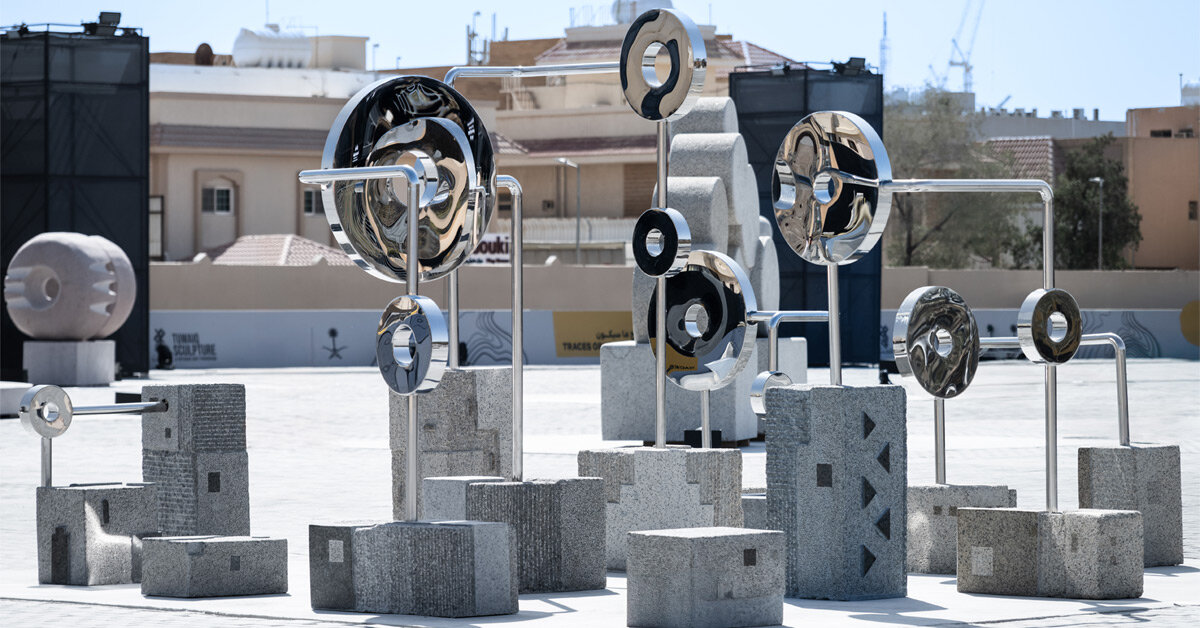
tuwaiq sculpture exhibition transforms riyadh's urban fabric with large-scale public artworks
Tuwaiq Sculpture Symposium installs 25 large-scale works along Al Tahlia, using locally sourced materials and public art to catalyze Riyadh's urban renewal and cultural identity.

fromdesignboom | architecture & design magazine
1 month agoplayful interactive cone installation reflects viewers' sand art back to them
A circular concrete ring forms a defined boundary, incorporating a landing and three steps that lead into a contained field of refined sand. At the center of this ring rises a tall cone clad in polished mirrored steel. The composition establishes a clear geometric contrast between the horizontal plane of sand and the vertical reflective surface.
Design
Writing
fromHi-Fructose Magazine - The New Contemporary Art Magazine
2 months agoSometimes You Just Have To Hug That Walrus: The Humorously Surreal Paintings of Bruno Pontiroli Twist Our Relationship with the Animal World - Hi-Fructose Magazine
Pontiroli's paintings reuse recurring hybrid characters and animate inanimate motifs to create playful, surreal poem-images combining animals, humans, and flesh-like objects.
fromArtnet News
1 month agoMagnum Gallery Honors the Life and Legacy of Photographer Martin Parr
His humor, his clarity, and his vision shaped many discussions across the agency and within the wider photographic world. This exhibition pays homage to the unique vision of Martin Parr, whose sharp eye for contemporary society and prominent role within Magnum Photos have left an enduring mark on photography.
Arts
Arts
fromJuxtapoz
1 month agoJuxtapoz Magazine - Cathrin Hoffmann "Sill" @ Public Gallery, London
Cathrin Hoffmann's exhibition explores psychological fatigue and information overload through monochromatic paintings and sculptures depicting figures in sustained tension, resistance, and existential weariness.
Arts
fromThe Art Newspaper - International art news and events
1 month agoDingo-related work at Sydney Biennale takes on new resonance following backpacker death
A Canadian backpacker drowned after a dingo attack on K'gari island, prompting urgent examination of human-wildlife conflict and dingo management practices at this protected sanctuary.
Arts
fromwww.theguardian.com
1 month agoHarold the Kangaroo' Thornton: the extraordinary, forgotten life of the greatest genius who ever lived'
Harold Thornton, an eccentric Australian artist who painted psychedelic works and stood beside his Archibald Prize entry in 1983, remained largely unrecognized despite admirers like Martin Sharp and Ken Done, achieving greater recognition in Amsterdam than his home country.
Arts
fromwww.theguardian.com
2 months agoIt's about hurling yourself into the unknown': Charmaine Watkiss on turning a UK museum upside down
Charmaine Watkiss connects Caribbean, African and UK botanical knowledge and diaspora histories through portraits and sculpture emphasizing medicinal plants and ancestral herbal traditions.
Arts
fromdesignyoutrust.com
2 months agoArtist Paints Smoky Lounges And Quiet Strangers, Letting Halffinished Details Turn Viewers Into Coauthors Of The Scene
A wide-ranging visual roundup showcases creative reinterpretations, vintage design, activist art, photography, illustration, and humorous cultural works spanning contemporary and historical styles.
Arts
fromThe Washington Post
2 months agoIn a stunning Smithsonian exhibit, artist Nick Cave uses stuff to excavate life
Nick Cave's 'Mammoth' exhibition assembles found objects, wearable sculpture, video and installation into a 700-square-foot light-table self-portrait that evokes memory and bodily performance.
fromArtnet News
2 months agoNew Exhibition Brings Viewers Inside the Creative World of Andy Scott
In 2014, Scottish artist Andy Scott made international headlines with the unveiling of his colossal dual horse-head sculptures, The Kelpies. Completed in late 2013, they are installed in the Helix park in Flakirk, Scotland, and each of the steel heads measures 98-feet high and weighs in at a whopping 300 tons. The works have become iconic in their own right, but also exemplary of Scott's practice, which takes focus on animal forms and employs the visually and thematically weighty materials of steel or bronze.
Arts
fromColossal
2 months agoDrawn to Synbols, Michael McGrath Conjures Uncanny Narratives
Disembodied heads, eyes, and hands meet spindly trees, dragonflies, and vibrant blossoms in the folk-art inspired works of Michael McGrath. Based in Rhinebeck, New York, McGrath melds a variety of media-most pieces contain a mixture of graphite, ink, and oil and acrylic paints-into dynamic compositions suffuse with mystery. Recurring symbols and objects lend themself to a distinctive visual language that captures both the wondrous and puzzling.
Arts
Arts
fromOregon ArtsWatch * Arts & Culture News
2 months agoVizArts Monthly: Existential Journeys * Oregon ArtsWatch
February exhibitions center on universal human experiences—happiness, grief, cultural resilience, and connection to nature—expressed through contemporary, site-specific, and group exhibits.
fromColossal
2 months agoRegina Silveira Pieces Together an Evolving Narrative of Latin America
Regina Silveira has spent the better part of three decades considering the relationship between media and meaning, particularly as it relates to Latin America. First presented in 1997, "To Be Continued..." features 100 black-and-white reproductions of photos, newspaper clippings, propaganda, advertisements, and more. Silveira nests each image into an oversized puzzle piece, which cuts off faces and scenes to leave fragments of pop culture icons, flora and fauna, and even the occasional mugshot spliced next to one another.
Arts
Arts
fromThe Art Newspaper - International art news and events
1 month agoKhaled Sabsabi-who had his Australia Pavilion cancelled and reinstated-will also exhibit in main Venice Biennale show
Khaled Sabsabi represents Australia at the Venice Biennale and contributes to the main exhibition, marking a historic first for an Australian artist.
Arts
fromArchDaily
1 month agoTuwaiq Sculpture 2026 Transforms Riyadh into a Platform for Public Art
Contemporary sculpture functions as a critical urban mediator that reshapes public space and contributes to city transformation, exemplified by Riyadh's Tuwaiq Sculpture 2026 symposium integrating large-scale artworks into the urban environment.
[ Load more ]