#respiratory-complications
#respiratory-complications
[ follow ]
#air-pollution #public-health #air-quality #pm25 #health-risks #indoor-air-quality #public-health-policy
fromTODAY.com
3 weeks agoThese Are the 2 Most Dangerous Home Cleaning Products to Have Around Kids, New Research Shows
"What surprised me is we are still seeing so many visits to emergency departments associated with very common household cleaning products," Lara McKenzie, Ph.D., stated, emphasizing the ongoing issue despite safety advancements.
Public health
Health
fromwww.theguardian.com
1 month agoReduced physical activity due to global heating will lead to rise in health issues, study says
Rising temperatures reduce physical activity globally, with each month above 27.8°C increasing inactivity by 1.5 percentage points, projecting half a million additional premature deaths annually by 2050.
Mental health
fromSilicon Canals
2 months agoThe overlooked condition that's as deadly as smoking 15 cigarettes a day - Silicon Canals
Chronic social isolation increases mortality and functional decline comparable to smoking 15 cigarettes a day, creating a widespread, underrecognized public-health loneliness epidemic.
fromwww.theguardian.com
2 months agoThe sneeze secret: how much should you worry about this explosive reflex?
Alongside the obvious nasal hairs that a few people choose to trim, all of us have cilia, or microscopic hairs in our noses that can move and sense things of their own accord. And so if anything gets trapped by the cilia, that triggers a reaction to your nerve endings that says: Right, let's get rid of this.' And that triggers a sneeze.
Science
fromSilicon Canals
2 months agoWhy your house is dustier than your neighbor's and the airflow mistake causing it - Silicon Canals
I was that person who only changed their HVAC filter when it looked like it had grown its own ecosystem. Richie Drew, Vice President of Operations at One Hour Heating & Air Conditioning, puts it bluntly: "Dirty filters can reduce airflow, increase dust in your home and strain your heating system." Think about it this way: your HVAC filter is like the bouncer at an exclusive club, except instead of keeping out people without the right shoes, it's blocking dust particles from circulating through your home.
Remodel
Environment
fromNature
1 month ago'Black rain' in Tehran - what are the health effects?
Missile strikes on Iranian oil facilities released toxic chemicals into the atmosphere, creating black acid rain containing harmful hydrocarbons, sulfur oxides, and nitrogen compounds that pose serious health risks.
fromwww.theguardian.com
2 months agoDeafening, draining and potentially deadly: are we facing a snoring epidemic?
When Matt Hillier was in his 20s, he went camping with a friend who was a nurse. In the morning she told him she had been shocked by the snoring coming from his tent. She basically said, For a 25-year-old non-smoker who's quite skinny, you snore pretty loudly,' says Hiller, now 32. The Guardian's journalism is independent. We will earn a commission if you buy something through an affiliate link. Learn more.
Medicine
Cancer
fromwww.theguardian.com
1 month agoQuarter of healthy years lost to breast cancer are due to lifestyle factors, research finds
Over 25% of healthy years lost to breast cancer result from lifestyle factors including red meat consumption and smoking, with projections showing global cases rising from 2.3 million to 3.5 million by 2050.
fromNature
2 months agoCould the regenerative power of the lungs help to reverse disease?
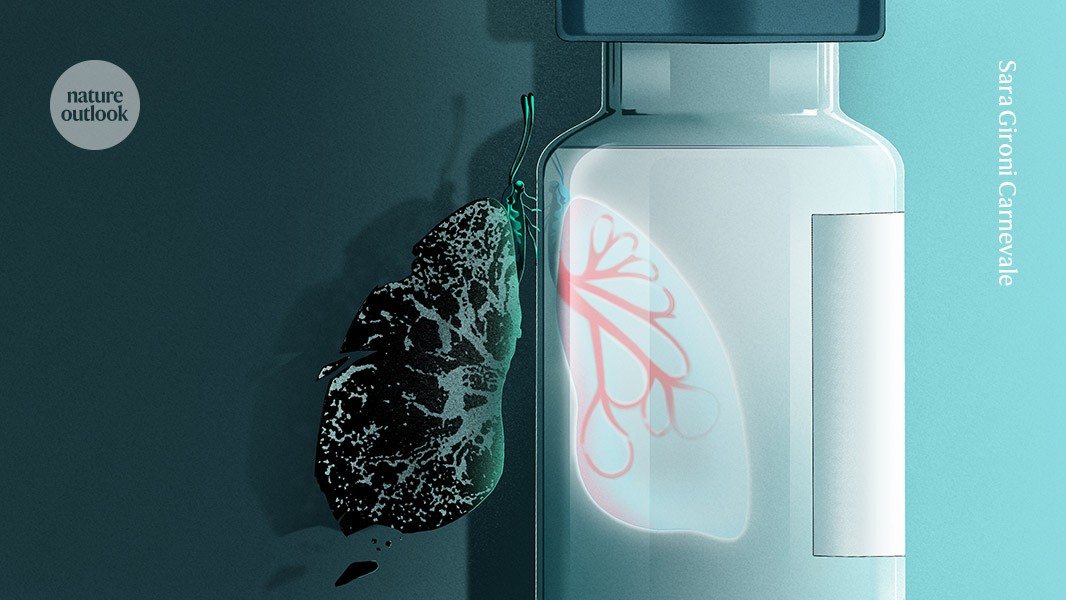
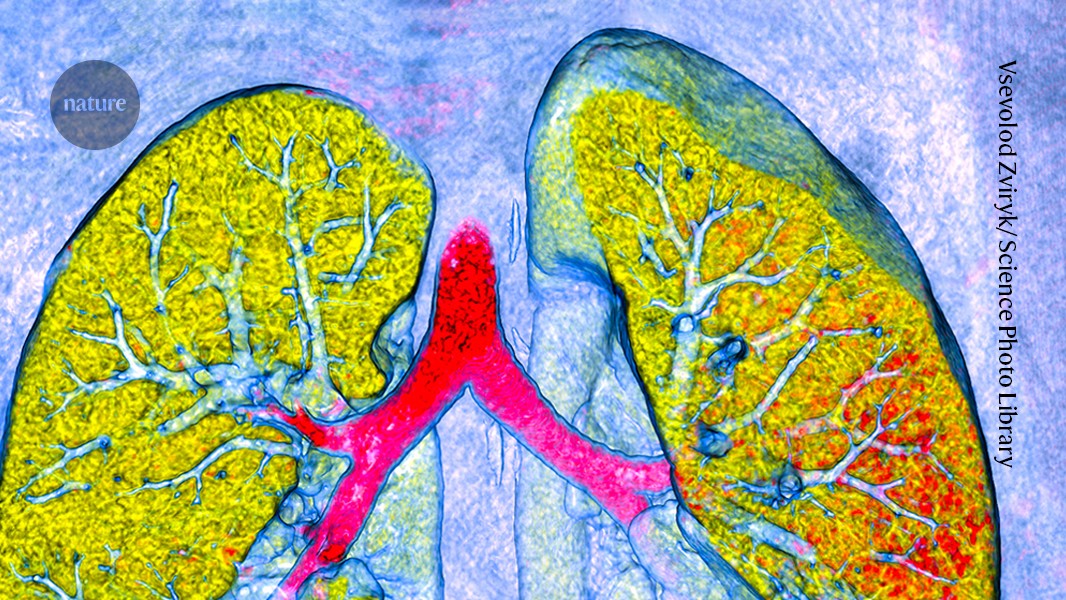
When surgeons removed a 33-year-old woman's right lung as part of her cancer treatment in 1995, they expected a dramatic and permanent reduction in her breathing power. But that's not what happened. Instead, her remaining lung pulled off a trick that scientists had long thought impossible in humans: it grew new tissue, and lots of it. Over the next 15 years, her left lung compensated for the loss of its partner by nearly doubling in volume and growing millions of new air sacs, called alveoli.
Medicine




Public health
fromwww.theguardian.com
1 month agoTrump policies set to increase rates of lung disease and death, study finds
Trump administration policies across healthcare, environment, workplace, and vaccines are projected to significantly increase lung disease rates and premature deaths among Americans.
fromNature
2 months agoExposome studies can improve lung health
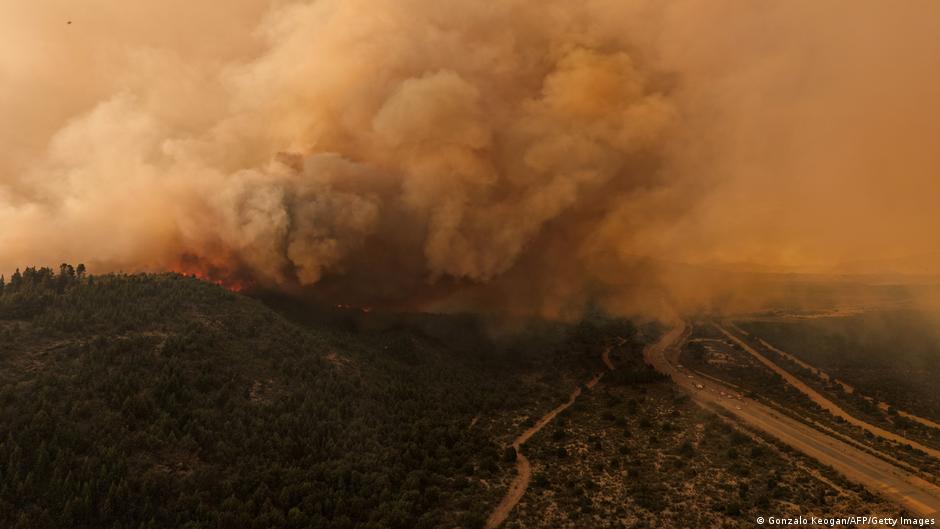
The conventional approach to evaluating the impact of air pollution is to focus on a single exposure during a fixed period of time. But evidence suggests that contaminants work together, magnifying the damage to people's lungs. Conventional studies fail to probe synergistic effects. They also ignore the cumulative effects of lifelong exposures to pollutants, known as the exposome. Researchers need to shift away from single-pollutant studies and towards those involving a broad range of exposures.
Public health
Public health
fromwww.theguardian.com
2 months agoWood burning pollution leads to 8,600 premature US deaths a year, study finds
Residential wood burning causes an estimated 8,600 premature US deaths annually and contributes about 21% of wintertime particulate pollution despite only 10% of homes burning wood.
fromHarvard Gazette
1 month agoAmerican heart health worsening - Harvard Gazette
Many other higher-income countries are grappling with rising obesity and diabetes, but the U.S. stands out for how consistently those risks translate into worse cardiovascular outcomes, and how wide the gaps are by income, race, ethnicity, and geography.
Public health
fromwww.theguardian.com
2 months agoWood burners may treble children's exposure to pollution in homes, study finds
One thing that stood out was the home environment. This was the largest contributor to children's daily particle pollution exposure more than school or commuting. This was mainly due to indoor sources such as wood burning and indoor smoking. Short peaks in particle pollution were linked to home cooking and secondhand tobacco smoke. Home heating with a fire or stove was linked to longer exposures. In some cases, these persisted overnight in children's bedrooms as fires remained lit or smouldering with poor ventilation.
Public health
fromwww.independent.co.uk
2 months agoTop preventable cancer causes in UK revealed and how to cut your risk
Smoking, being overweight, and exposure to ultraviolet radiation from the sun and sunbeds are the top preventable causes of cancer, experts have warned. Researchers from the World Health Organisation (WHO) and its International Agency for Research on Cancer (IARC) analysed 30 risk factors that cause cancer, such as smoking, drinking alcohol and air pollution. Using data from across 185 countries, they estimate that about 7.1 million of the 18.7 million new cancer cases diagnosed globally in 2022 were preventable.
Public health
Public health
fromTruthout
1 month agoPublic Health Agencies Struggle to Keep Up With Rising Tuberculosis Cases
Tuberculosis cases and containment costs are rising nationwide, with Johnson County, Iowa experiencing a tripling of latent infections and costs surging from $17,000 to $65,000 annually, while state funding for contact tracing has been withdrawn.
[ Load more ]