#pm25
#pm25
[ follow ]
#air-pollution #air-quality #public-health #pollution #wildfires #climate-change #wildfire-smoke #ozone






fromwww.nature.com
7 months agoGlobal warming amplifies wildfire health burden and reshapes inequality
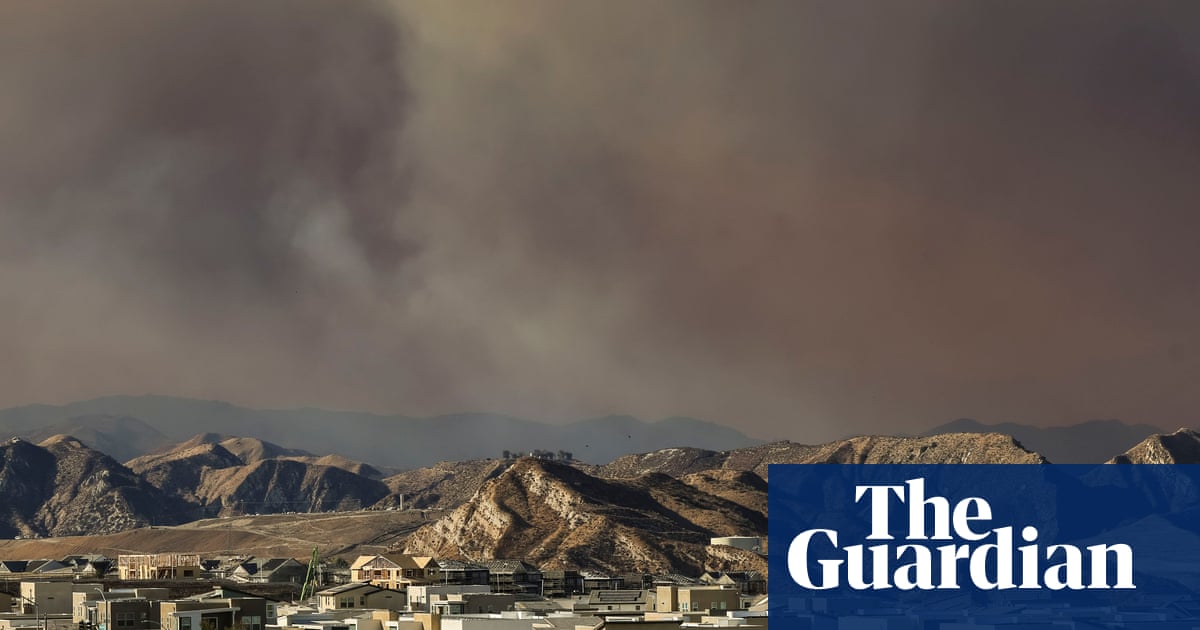
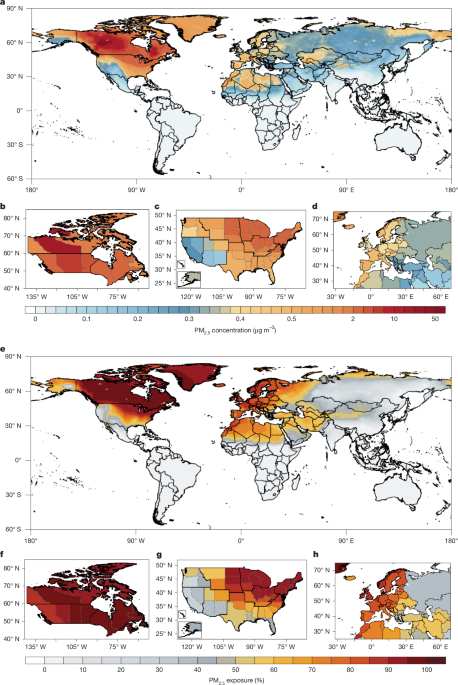
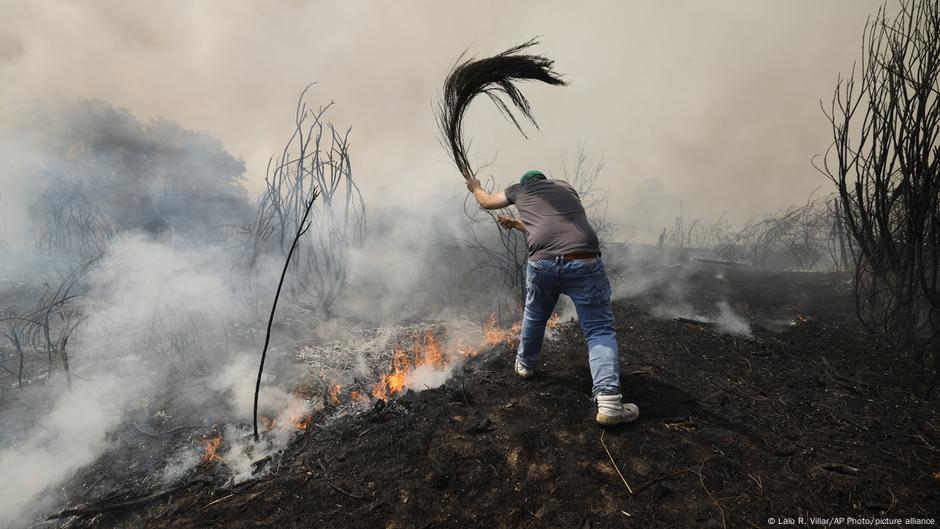
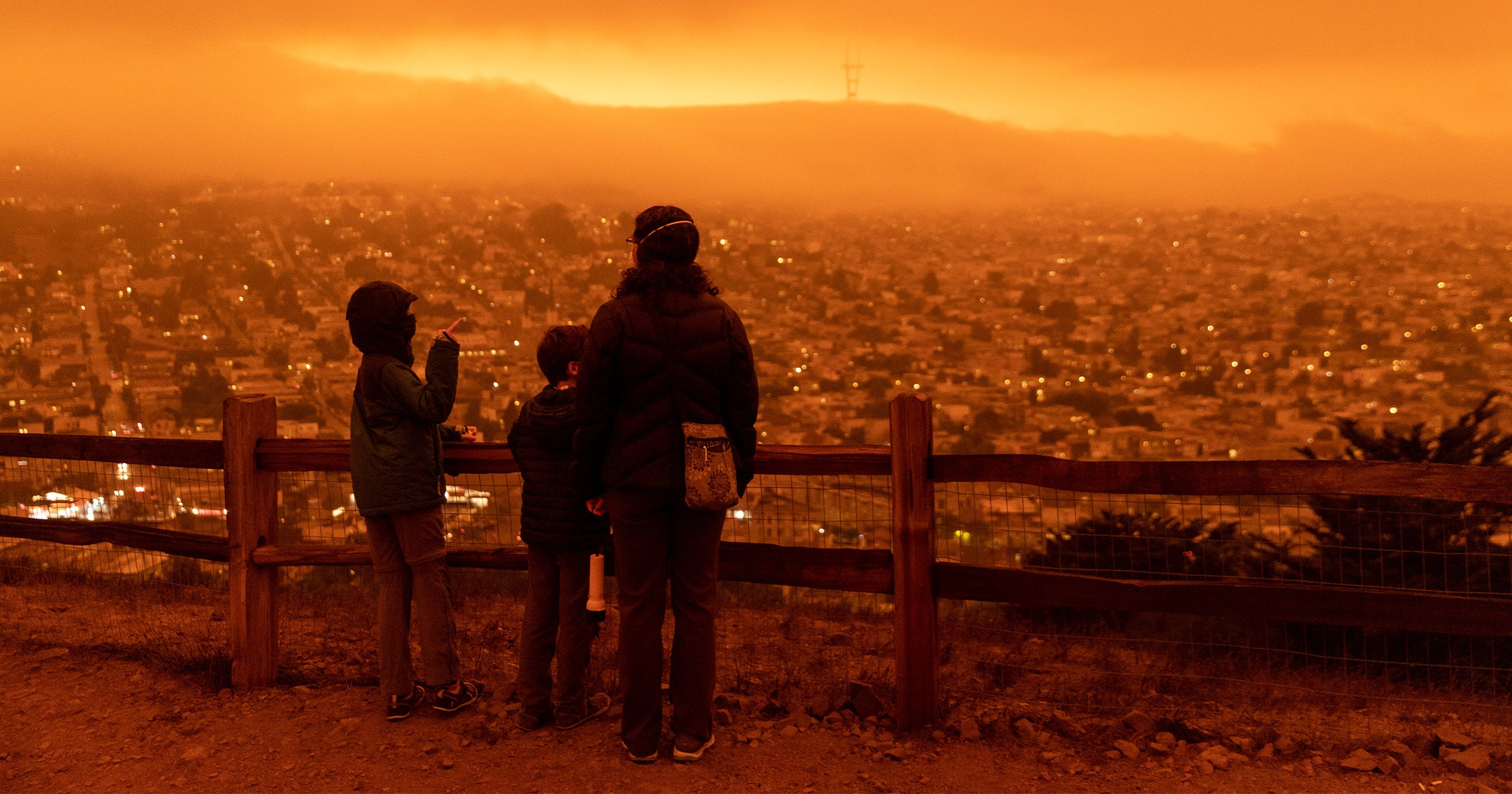
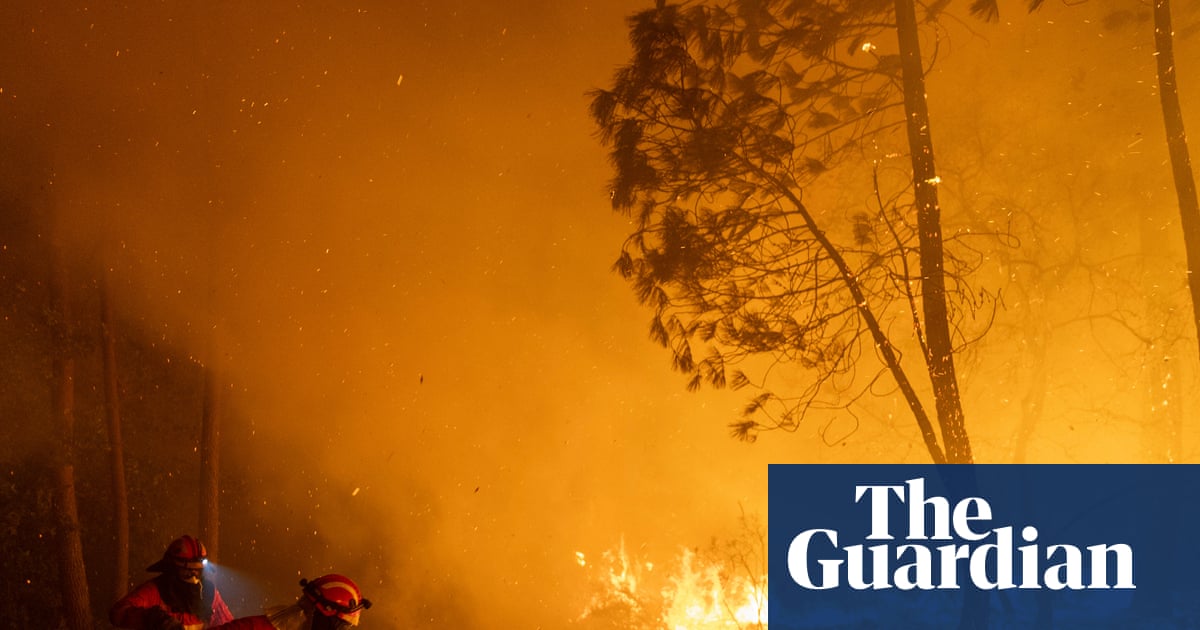
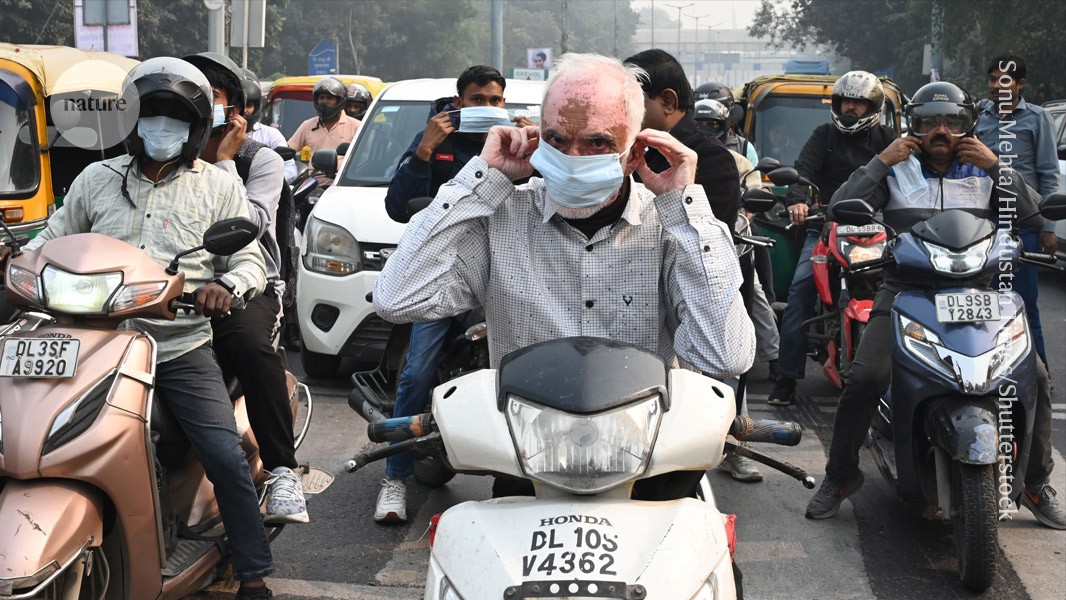
Global warming intensifies wildfires and exacerbates greenhouse gas and pollutant emissions1. However, global projections remain incomplete, hindering effective policy interventions amid uncertain warming futures2. Here, we developed an interpretable machine learning framework to project global burned areas and wildfire emissions. This framework accounts for the impacts of future climate change on fire activity and quantifies associated premature deaths and radiative forcing from fire-induced particulate matter (PM2.5).

fromWIRED
8 months agoMicroplastics and Particulate Matter Have Invaded Your Home. The Solution? Your Vacuum
Global Earth Day published studies that found pets and babies are especially at risk for microplastic exposure from household dust. Both household members stay low to the ground-closer to dust, microplastics, and particulates that are invisible to the naked eye on carpets and floors-and put everything in their mouths, making it easier for them to ingest microplastic dust that could be on those objects.
Environment
[ Load more ]