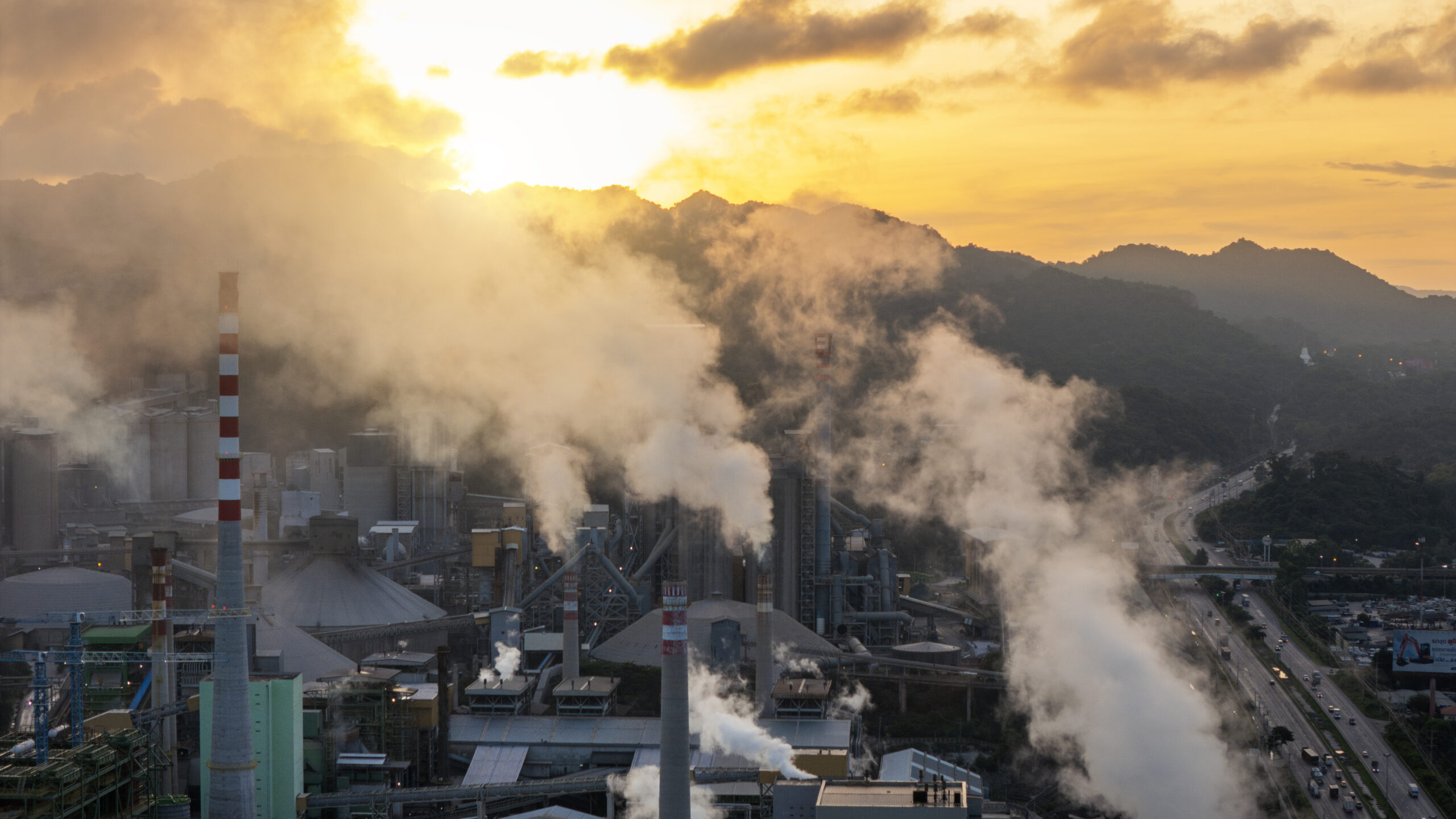
"The move to exclude the estimated benefits relates specifically to fine particulate matter smaller than 2.5 micrometers (known as PM 2.5) and ozone. This particulate matter, commonly produced by combustion, is small enough to make it through your respiratory system and into your bloodstream. For this reason, it is associated with a host of health impacts even beyond respiratory conditions. That has made research on those impacts the target of anti-regulation advocates who claim scientists exaggerate the harm."
"The new EPA language claims that past analyses have failed to adequately represent the scientific uncertainty of the economic value of reducing these pollutants. The new economic impact analysis for stationary combustion turbines, for example, says this "leads the public to believe the Agency has a better understanding of the monetized impacts of exposure to PM2.5 and ozone than in reality." It continues, "Therefore, to rectify this error, the EPA is no longer monetizing benefits from PM2.5 and ozone but will continue to quantify the emissions until the Agency is confident enough in the modeling to properly monetize those impacts.""
EPA is excluding monetized estimates of benefits from reducing PM2.5 and ozone until the Agency is confident in the modeling to monetize impacts. PM2.5 is fine particulate matter produced by combustion that penetrates the respiratory system into the bloodstream and is associated with many health impacts beyond respiratory conditions. Ground-level ozone forms from nitrogen oxides and volatile organic compounds and exacerbates conditions like asthma. A 2024 regulatory impact analysis estimated $27–$92 million per year in benefits for tighter emissions from stationary combustion turbines. Past administrations have adjusted economic valuations, and the current administration emphasizes scientific uncertainty to reduce estimated benefits.
Read at Ars Technica
Unable to calculate read time
Collection
[
|
...
]