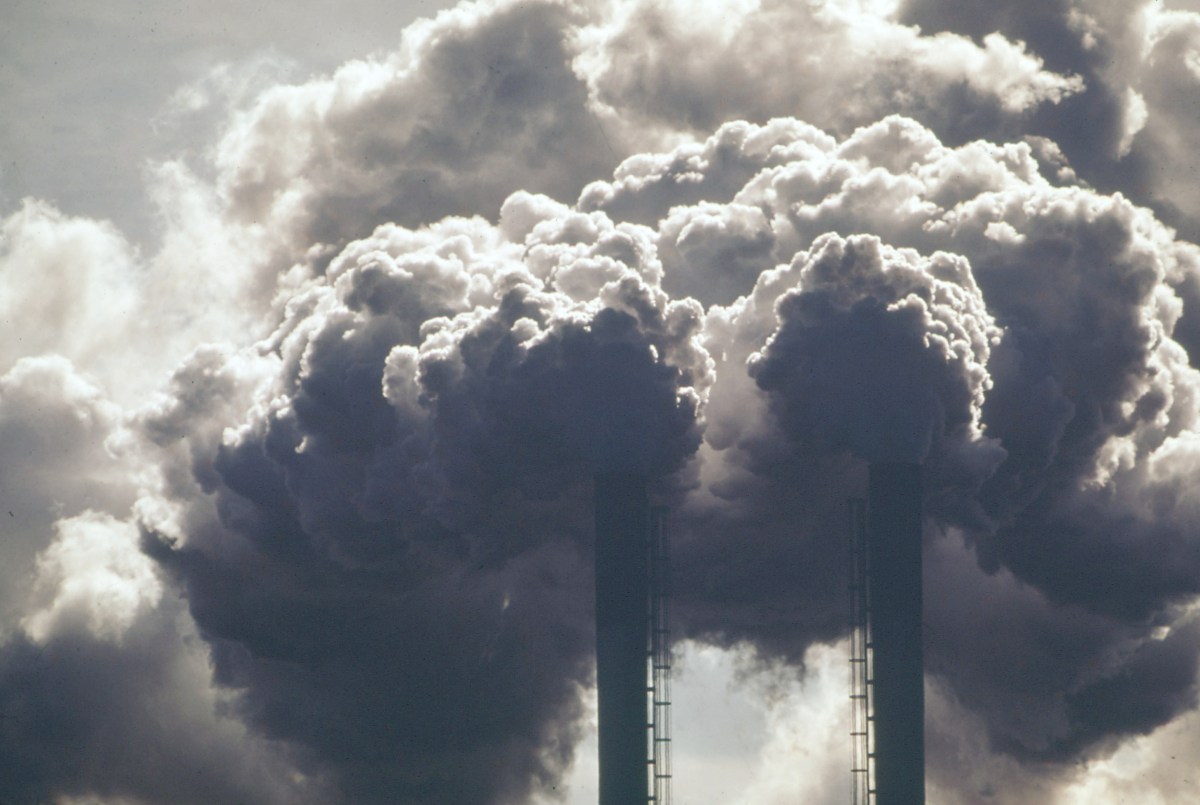
Since Ronald Reagan's presidency, the Environmental Protection Agency assigned a monetary value to human life to enable cost-benefit analysis of pollution controls. Every administration used that valuation when regulating air pollution. The current plan would eliminate counting human health value when regulating ozone and fine particulate matter (PM2.5), weakening the economic basis for pollution reductions. Ground-level ozone forms smog from nitrogen oxides and harms vulnerable populations. PM2.5 links to asthma, heart disease, Parkinson's, kidney disease, Alzheimer's, dementia, type 2 diabetes, and low birth weight in infants. Fine particulate pollution contributes to millions of deaths worldwide annually. Data centers are increasingly using dirtier electricity sources.
"Ever since Ronald Reagan was president, the Environmental Protection Agency has assigned a value to human life. If you think too long about it, it's a bit crass, but the upshot was to provide some cost-benefit analysis of pollution controls. Lowering pollution can prolong human life, so if the health benefits of reducing pollution outweighed the costs, then there was an economic argument to be made in favor of those reductions."
"PM2.5 might be even more pernicious. Recent research has connected PM2.5 to a broader range of illnesses, including Parkinson's, kidney disease, Alzheimer's, dementia, and even type 2 diabetes. Even the tiniest, youngest infants aren't spared, since a mother's exposure to PM2.5 has been linked to low birth weight. Worldwide, as many as 10 million people per year die from fine particulate matter pollution annually."
Read at TechCrunch
Unable to calculate read time
Collection
[
|
...
]