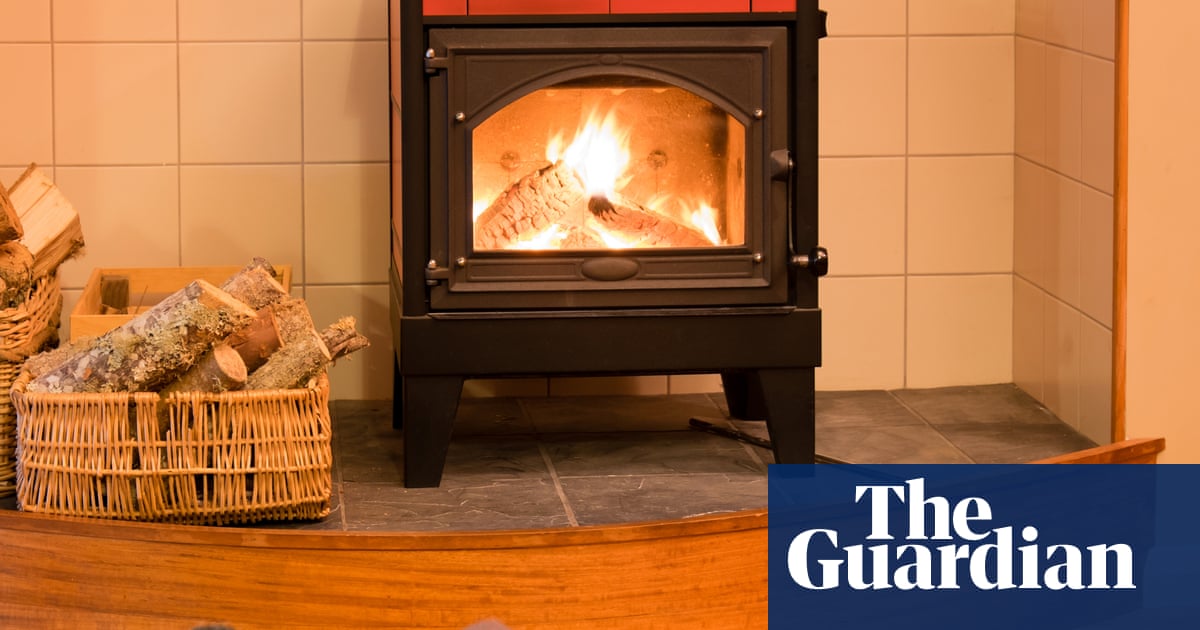
Fifty-three children from two primary schools in Anglesey carried backpacks fitted with air pollution sensors to measure exposures at home and during journeys to and from school. The home environment was the largest contributor to children's daily particle pollution exposure, driven primarily by indoor sources such as wood burning and indoor smoking. Short peaks in particle pollution occurred during cooking and from secondhand tobacco smoke, while home heating with a fire or stove produced longer exposures that sometimes persisted overnight in children's bedrooms due to smouldering fires and poor ventilation. Average home-hour particle concentrations in non-smoking homes with wood burners measured about 13 micrograms per cubic metre versus 3.5 micrograms per cubic metre in non-wood-burning non-smoking homes.
"One thing that stood out was the home environment. This was the largest contributor to children's daily particle pollution exposure more than school or commuting. This was mainly due to indoor sources such as wood burning and indoor smoking. Short peaks in particle pollution were linked to home cooking and secondhand tobacco smoke. Home heating with a fire or stove was linked to longer exposures. In some cases, these persisted overnight in children's bedrooms as fires remained lit or smouldering with poor ventilation."
"During home hours, the average particle pollution in non-smoking homes with wood burners was about 13 micrograms per cubic metre compared with 3.5 micrograms per cubic metre in non-smoking homes without wood burners. The study is small, but the contrast was consistent and supports the conclusion that wood burning can substantially increase indoor particle pollution."
"Fifty-three children from two primary schools in Anglesey (Ynys Mon) were given backpacks equipped with air pollution sensors. They took the packs home and carried them during their journeys to and from school."
Read at www.theguardian.com
Unable to calculate read time
Collection
[
|
...
]