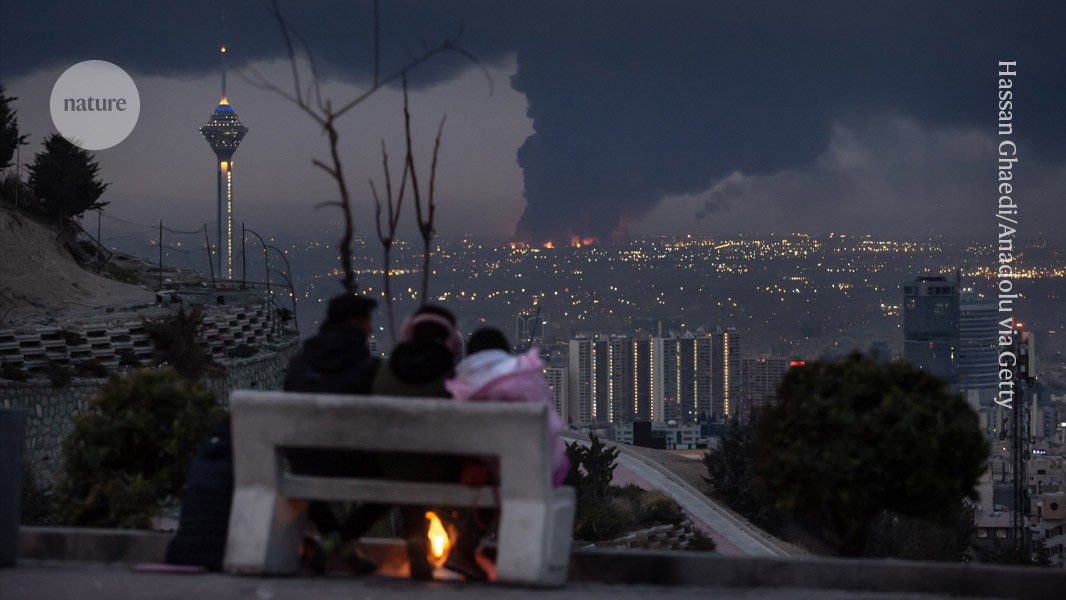
"A World Health Organization (WHO) spokesperson, Christian Lindmeier, told reporters on Tuesday that the damage to Iran's oil facilities had released toxic hydrocarbons, sulfur oxides and nitrogen compounds into the air. The mix of rain and pollutants could cause chemical burns and lung damage, Lindmeier said. 'It is a dangerous situation,' he added, and Iranian authorities have advised people to stay indoors."
"'Black rain' is a general term used to describe rain that contains pollutants from the atmosphere, says Farzana Kastury, an environmental scientist at the University of Adelaide, Australia. This kind of rain is often generated by bushfire smoke or the burning of heavy fuel, a thick, low-quality byproduct of crude oil refining. In Iran, the black rain probably contains pollutants from the burning of heavy fuel, says Kastury."
"This could include cancer-causing benzene, acetone, toluene and methylene chloride, she adds. 'Black rain is indicative of incredibly high levels of ambient air pollution,' says Gabriel da Silva, an atmospheric chemist at the University of Melbourne."
Following military strikes on Iranian oil depots and refineries, Tehran experienced thick toxic smoke and black acid rain containing dangerous pollutants. The World Health Organization identified toxic hydrocarbons, sulfur oxides, and nitrogen compounds released into the air, warning of potential chemical burns and lung damage. Black rain forms when atmospheric pollutants mix with rainfall, often generated by bushfire smoke or burning heavy fuel. In Iran's case, the rain likely contains cancer-causing chemicals including benzene, acetone, toluene, and methylene chloride. The black coloration results from soot and carbon particles from fires. Authorities advised residents to remain indoors due to the hazardous conditions.
#black-rain-and-air-pollution #toxic-chemical-exposure #environmental-health-hazards #oil-facility-damage #atmospheric-contamination
Read at Nature
Unable to calculate read time
Collection
[
|
...
]