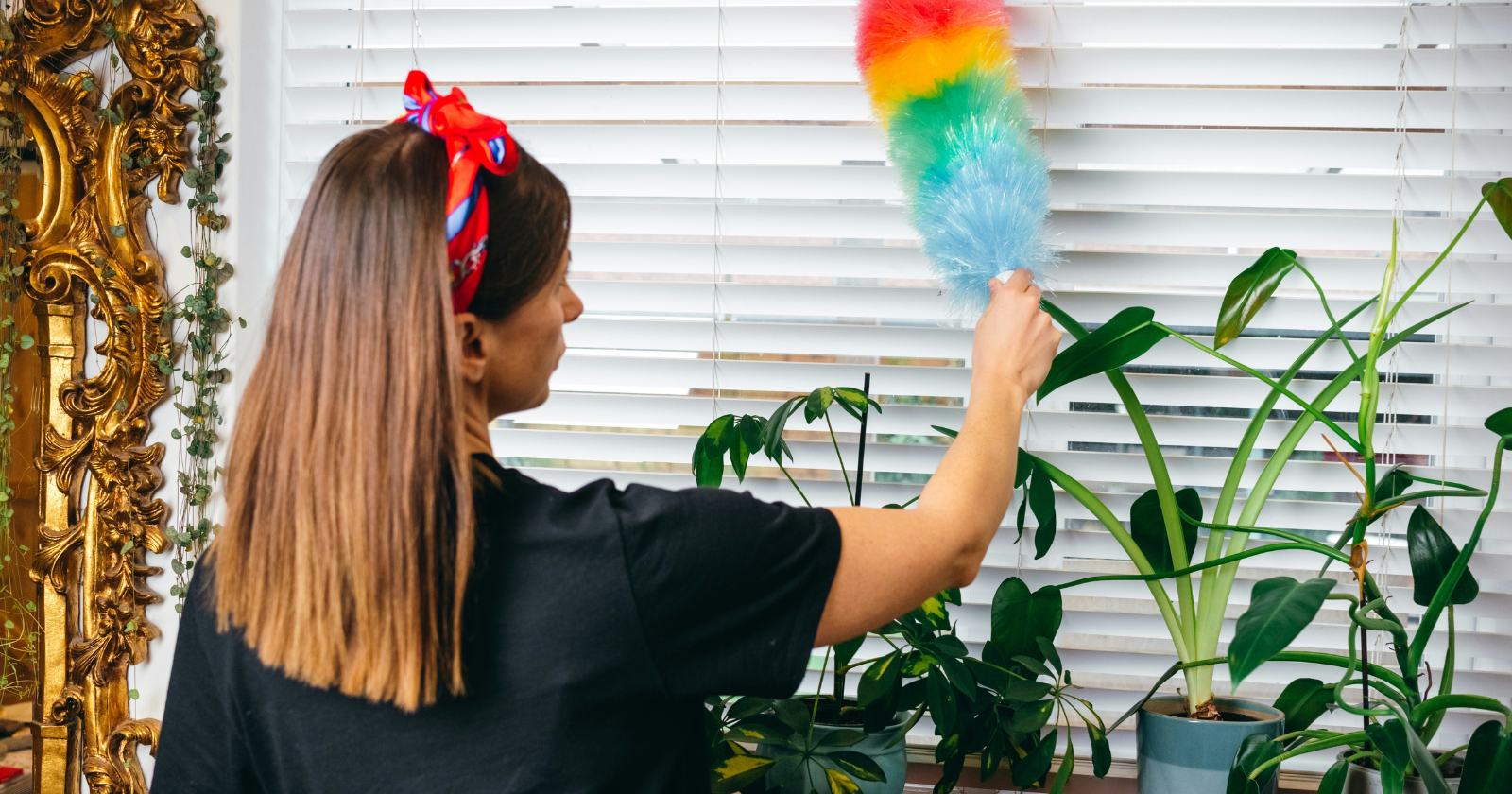
"I was that person who only changed their HVAC filter when it looked like it had grown its own ecosystem. Richie Drew, Vice President of Operations at One Hour Heating & Air Conditioning, puts it bluntly: "Dirty filters can reduce airflow, increase dust in your home and strain your heating system." Think about it this way: your HVAC filter is like the bouncer at an exclusive club, except instead of keeping out people without the right shoes, it's blocking dust particles from circulating through your home."
"The fix is surprisingly simple. Check your filter monthly and replace it every one to three months, depending on factors like pets, allergies, and how often you run your system. Since I started doing this, the dust situation has improved dramatically. My microfiber cloth and I are finally getting some rest."
Household dust accumulation is strongly influenced by HVAC filter condition and air movement through the home. Clogged or neglected filters reduce airflow, allow particles to recirculate, and strain heating/cooling systems. Regularly checking and replacing filters every one to three months—more often with pets or allergies—reduces airborne dust. Air pressure imbalances, such as negative pressure, pull unfiltered outdoor air and dust through gaps and vents. Addressing leaks, balancing ventilation, using exhaust fans correctly, vacuuming with HEPA-equipped machines, reducing clutter, and managing humidity around 40–50% further limit dust buildup. Combined maintenance and airflow control produce noticeably cleaner indoor environments.
Read at Silicon Canals
Unable to calculate read time
Collection
[
|
...
]