#psychedelic-design
#psychedelic-design
[ follow ]
#san-francisco #contemporary-art #art #420 #community #live-music #art-fair #photography #mental-health #fashion
fromArchDaily
1 day agoWhy Do We Want to Float? The Psychology of Lightness in Architecture
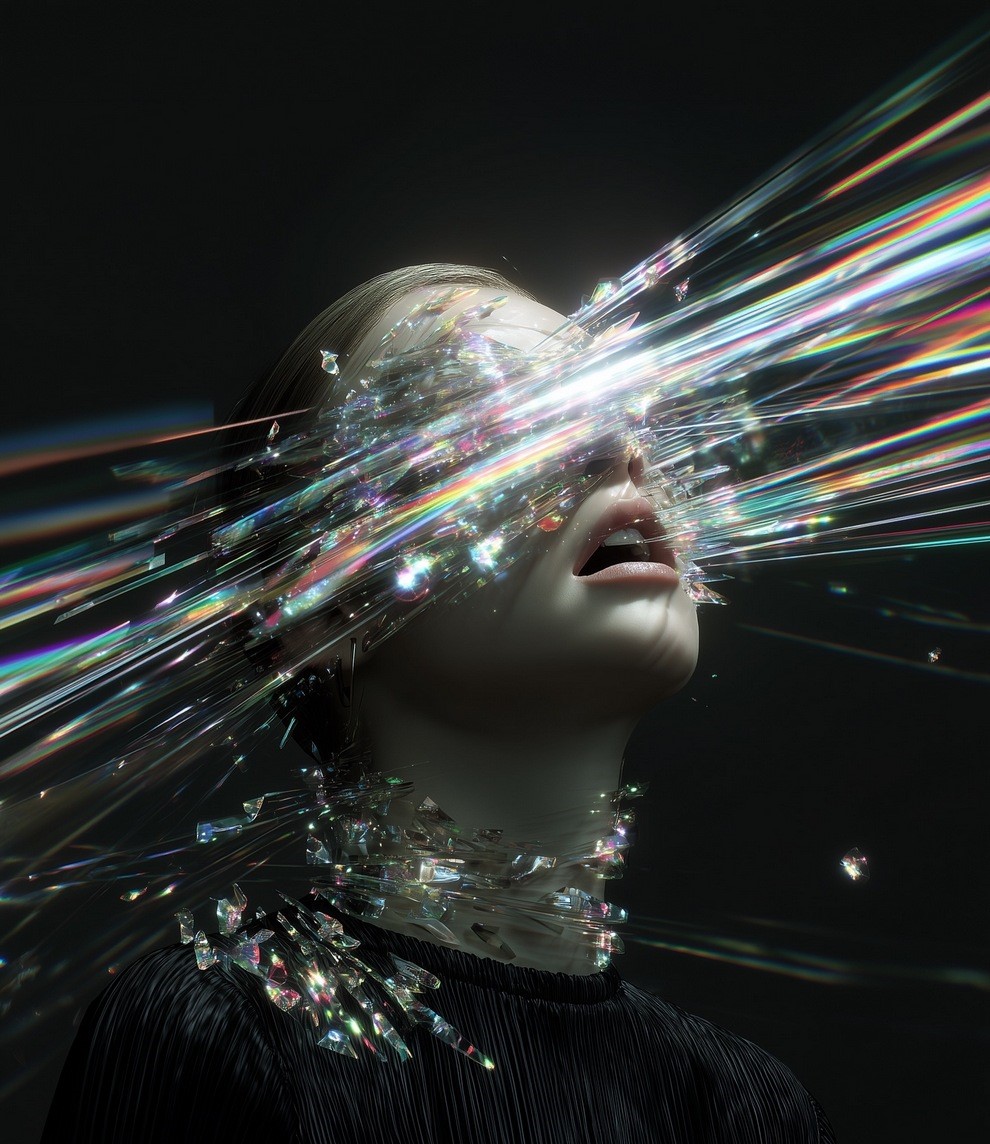
In 1962, the architect Buckminster Fuller envisioned a floating city that would free humanity from its dependence on the Earth. The speculative project consisted of enormous geodesic spheres that would naturally levitate in air warmed by the sun and be anchored to mountaintops.
Design




fromMission Local
3 weeks agoPhotos: What symbols represent SoMa?
Nisha, who looked to be about 15 years old, drew a parol - a star-shaped lantern displayed during Christmas - and a Bahay kubo - a traditional Filipino-style house - with a small pencil, as she sat at a table of the Bayanihan Community Center in SoMa.
SOMA, SF
fromKqed
1 month ago'Inside The Go-Go's' Is a Gritty Time Machine Back to the '80s
Imagine getting access to your favorite bands' most personal possessions: private photos, posters, notebooks, tour laminates, equipment, clothing, booking schedules. There are even bus tickets, a hospital birth certificate and snaps of pet dogs. Imagine a dizzying array of their entire career, covered indelibly with their own mucky fingerprints, as well as their greatest glories and messiest misbehavior.
NYC music
fromColossal
2 months agoWith 200+ Artworks, 'Rainbow Dreams' Revels in the Vast Creativity of the Color Spectrum
From Do Ho Suh's ethereal architecture to Kimsooja's irridescent mirrors to Lauren Halsey's fringed tapestry, a new book from Monacelli celebrates a broad spectrum of light and color. Rainbow Dreams features more than 200 installations, sculptures, paintings, photographs, and more that revel in the possibilities of pigment. Bound in a smooth gradient that extends to the pages' edges, this vivid survey is a celebratory, playful object in itself.
Books
fromwww.theguardian.com
2 months agoI'm the psychedelic confessor': the man who turned a generation on to hallucinogens returns with a head-spinning book about consciousness
Several years ago, Michael Pollan had a disturbing encounter. The relentlessly curious journalist and author was at a conference on plant behaviour in Vancouver. There, he'd learned that when plants are damaged, they produce an anaesthetising chemical, ethylene. Was this a form of self-soothing, like the release of endorphins after an injury in humans? He asked Frantisek Baluska, a cell biologist, if it meant that plants might feel pain. Baluska paused, before answering: Yes, they should feel pain.
Philosophy
San Francisco
fromsfist.com
1 month agoField Notes: Rare SF Tree Map, Dad Punk, and the Fight for Reproductive Rights in 1960s SF
San Francisco preserves memories of the deceased through historic structures like the Columbarium, interactive installations like the Heaven Phone, and community landmarks that honor those who have passed.
from48 hills
2 months agoBetween worlds with Sky Hopkina's visual poetry - 48 hills
While Hopkina, who is based in New York and Massachusetts, has been included in many local group exhibitions and screenings, Basso dives deep into the artist's work with six films created over a nine-year period. As a member of the Ho-Chunk Nation/Pechanga Band of Luiseño Indian, Hopkina's use of poetry and atmospheric aesthetics is not only visually compelling, but mines the edges of linguistic, visual, and cultural legibility.
Film
frommissionlocal.org
2 months agoPick a color
Help grow our newsroom, joining the 3,250 readers who support us by giving below. See all snaps here. To contribute, send in a headline and a snap to info@missionlocal.com. Because of you, Mission Local reached and surpassed our $300,000 year-end fundraising goal. All we can say is thank you. Thank you for choosing to invest in a local newsroom rooted in San Francisco's communities one that listens first and reports deeply.
San Francisco
from48 hills
1 month agoZines, memories, sonic assault: Mabuhay Gardens' 50-year SF punk detonation - 48 hills
It started as the only punk rock club in town, and for two to three years, it was the only place you could go, which was good because you'd see everyone you knew. The arrangement was practical and symbiotic: the restaurant profited from the punk crowds while the venue provided a crucial gathering space for the emerging underground music scene.
SF music
Arts
fromdesignyoutrust.com
2 months agoAn Artist Layers Synthwave Glow And Surreal Dreams Into Vibrant Worlds Celebrating Neurodivergence And Inner Strength
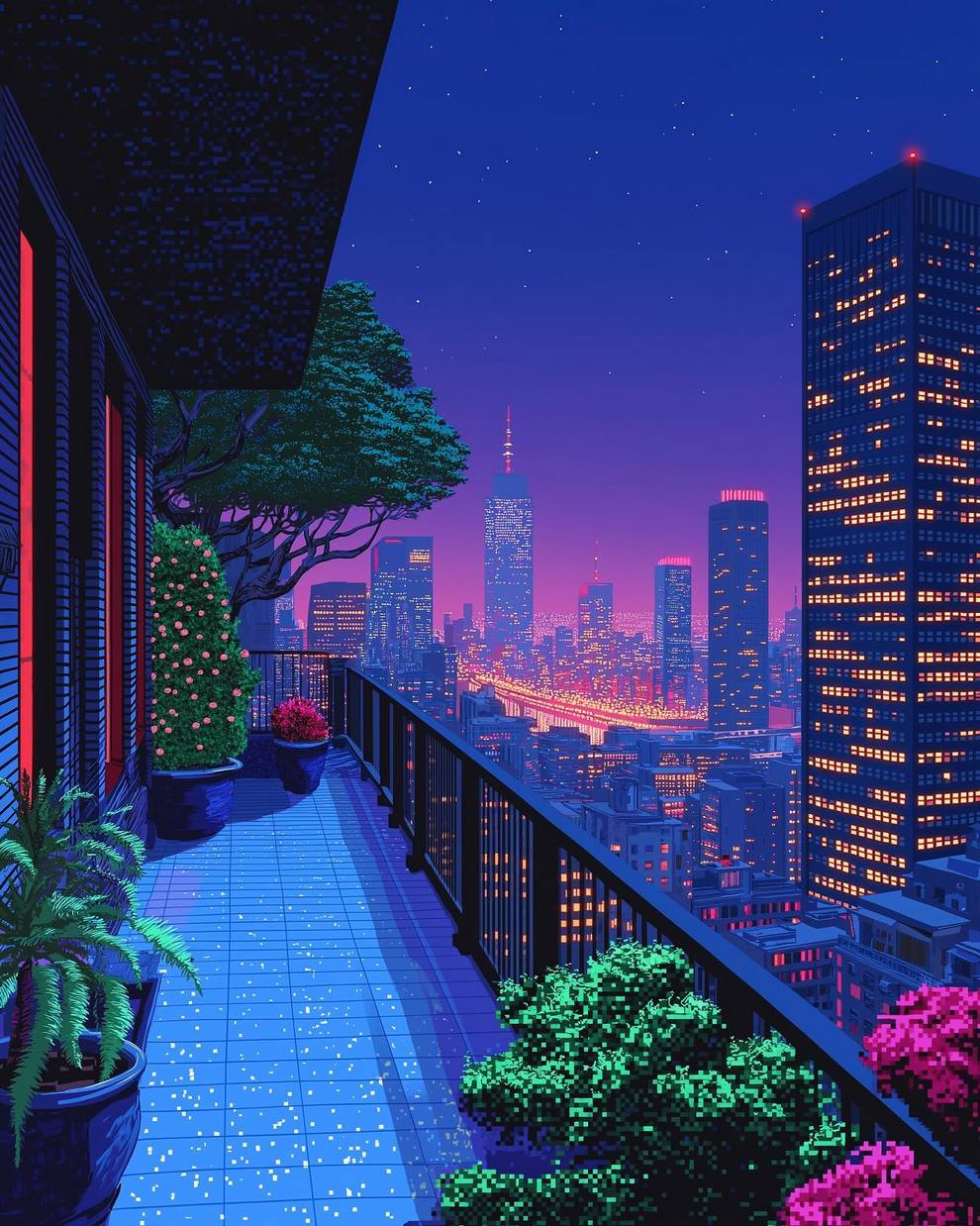
A diverse collection of provocative visual works spans dark mortality themes, surreal and conceptual art, tattoos, social commentary, and popular-culture phenomena like NFTs.
SF music
fromSFGATE
1 month agoHis band defined 1990s indie rock. In SF, he reclaims a singular voice.
Stephen Malkmus, a founding member of Pavement, continues to define alternative rock as a solo artist and bandleader while maintaining relevance across three decades through evolving musical projects.
#solarpunk
SF music
fromFuncheap
1 month agoSolarpunkification 2026: SF's 3-Day Fest of Art + Music (March 6-8)
Solarpunkification convenes creative and technological leaders to design and prototype optimistic futures where nature and technology collaborate through art, music, workshops, and community imagination.
SF music
fromFuncheap
1 month agoSolarpunkification 2026: SF's 3-Day Fest of Art + Music (March 6-8)
Solarpunkification convenes creative and technological leaders to design and prototype optimistic futures where nature and technology collaborate through art, music, workshops, and community imagination.
Arts
fromThe Art Newspaper - International art news and events
2 months agoAbundance of botanical forms and monumental paintings reflects optimism at San Francisco's Fog Design+Art fair
Fog Design+Art's lively 12th edition drew record gala attendance, showcased strong-quality presentations and high-value sales, signaling renewed momentum and demand for large-scale works.
fromEast Bay Express | Oakland, Berkeley & Alameda
3 months agoThe color of home: 'Domestic Light' is visual immersion
Considering how this experience could be expressed artistically, he conceived "Domestic Light," which for two years used windowsill sensors in nearly 100 sites globally to record what he describes as "multispectral traces of home."
Arts
Arts
fromHi-Fructose Magazine - The New Contemporary Art Magazine
2 months agoPop Surrealist Todd Schorr Paints the Unusual & The Arcane - Hi-Fructose Magazine
A surreal, exuberant collage mixes apes, hot rod and surfer culture, cartoons, monsters, and nuclear-age symbols to celebrate unconscious imagination and playful daydreaming.
[ Load more ]