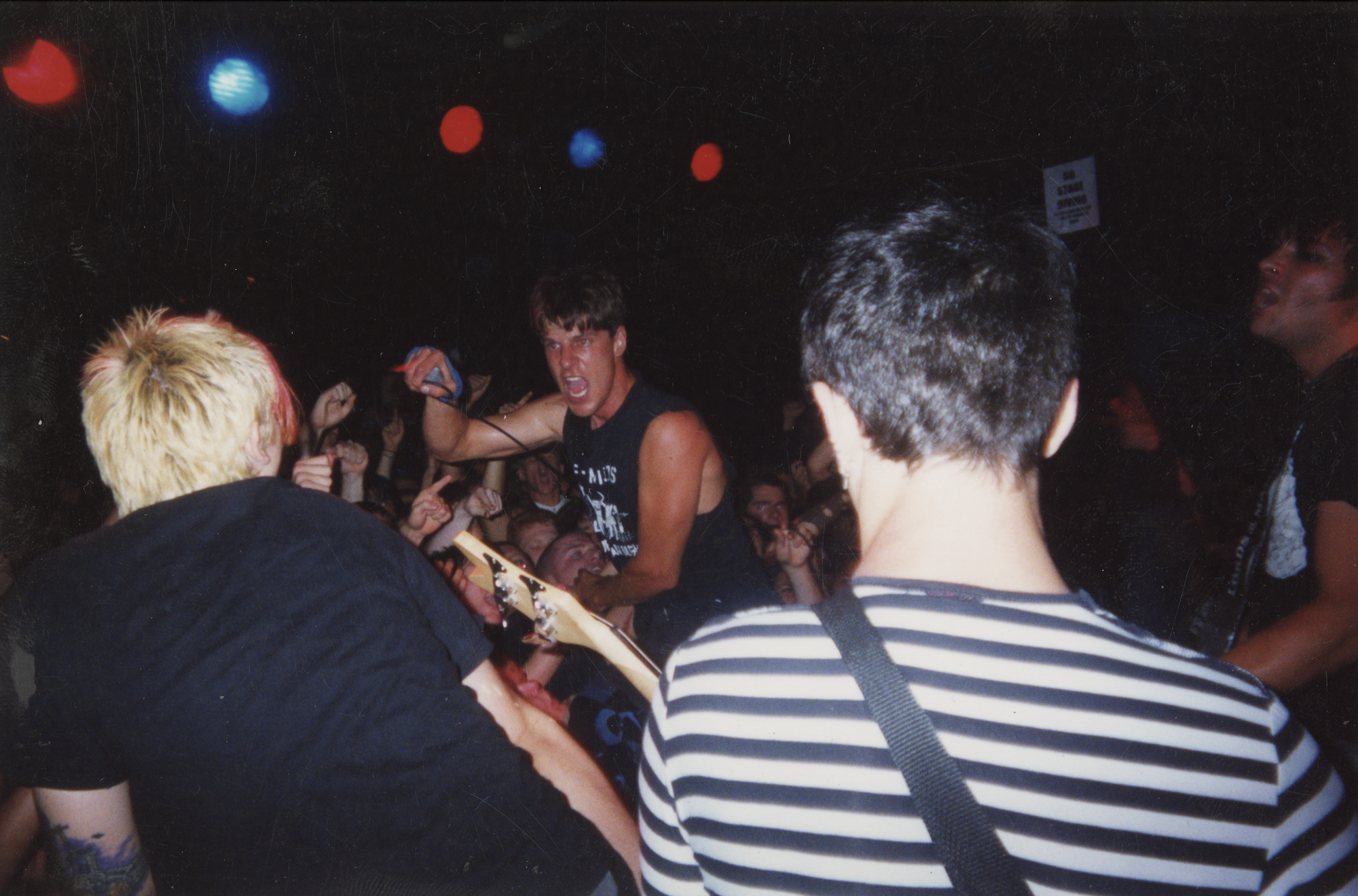
"Back then, no one wanted to touch these bands. The powers that be did not believe that these bands had any kind of draw, staying power. They're playing stadiums now. My big prize for being right is all the bands eventually go on to Live Nation and suddenly there's no room for the independent venues."
"The Pound had the aura of a horror film's opening exterior. It was desolate, shrouded in ocean fog and surrounded by a gravel parking lot. Taxi drivers would openly refuse to take metalheads there; the nearest Muni line, the 19, stopped too many blocks away for most to safely walk there at night."
"We never got a sound complaint, ever. The one time Carracci tested that notion, he erected an outdoor stage to host Danzig for a crowd of 3,000 people. The cops came and asked to see his permit, to which he replied, 'Ah fuck, goddamnit man. I knew I forgot something.'"
"The Pound opened when the internet was starting to change music through file sharing, mailing lists, chat rooms and fan sites, with social media and streaming soon to drastically alter music and fan culture overall."
The Pound was a unique music venue characterized by its desolate location and lack of nearby residences, allowing for loud performances without complaints. It opened during a transformative time for music, with the rise of the internet changing fan culture. The venue's all-ages shows were made possible by its previous use as a restaurant. Despite its success, the rise of larger venues like Live Nation has created challenges for independent spaces like The Pound, which once hosted now-popular bands that have since moved on.
Read at Kqed
Unable to calculate read time
Collection
[
|
...
]