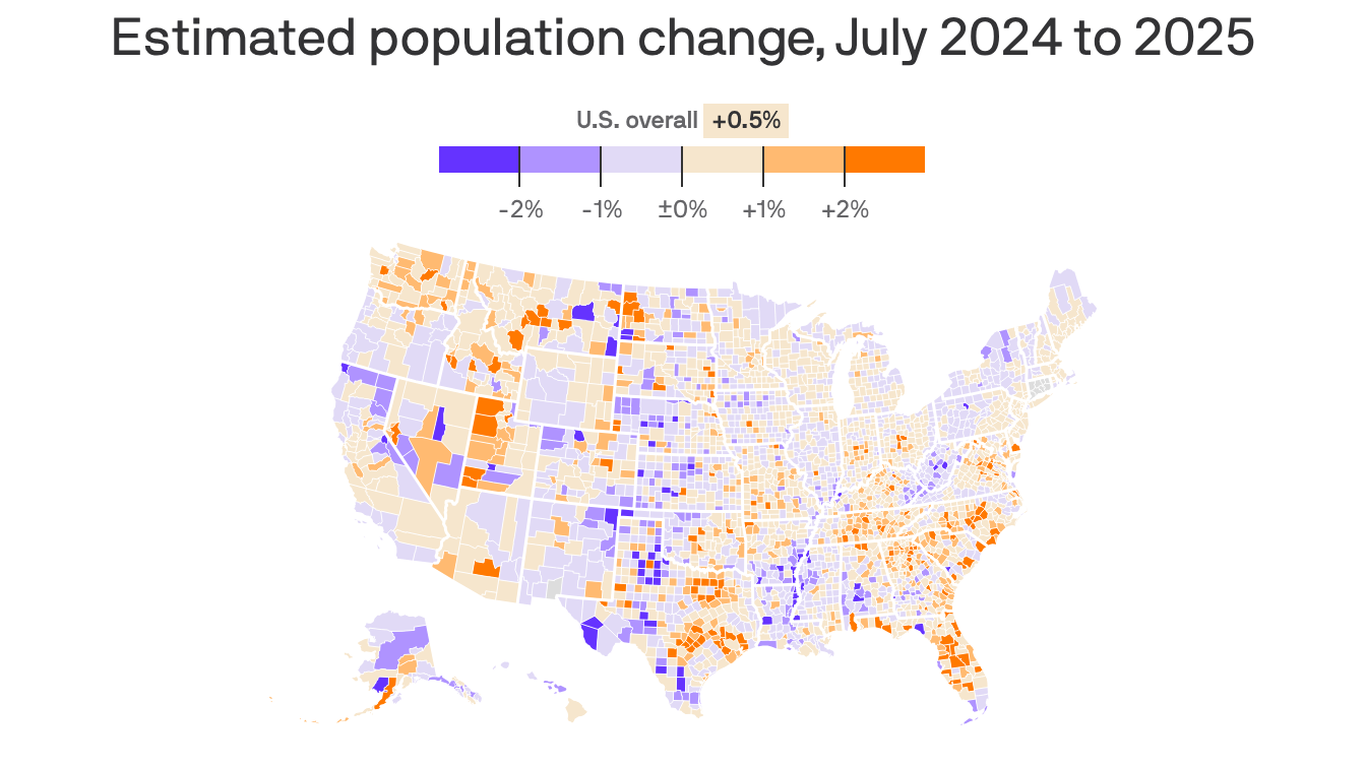
If you are inside the Texas Triangle and complaining about the state of single-family homebuilding, you are not seeing the opportunity correctly. The Texas Triangle today looks a lot like Southern California in scale and Hg weight. But Texas is growing faster, is less constrained by land and regulation, and is more affordable for firms and households. In 2004, the Texas Triangle encompassed five of the 20 largest U.S. cities and accounted for more than 70% of Texans, with a population of 13.8 million.
From 2010, New Zealand's second-largest city, Christchurch, became inextricably linked with crises. The city, which had been known for its gardens, gothic architecture and monochromatic culture was rocked by a decade of tragedy devastating and fatal earthquakes, wildfires and a terrorist attack on two mosques that killed more than 50 people. But in recent years, the city of crises has taken a surprising turn shrugging off its once-conservative reputation and rebuilding from tragedy to become one of New Zealand's most appealing cities.
The population should be stable by 2065, increasing at just 0.1pc a year. By then, however, there will have been a "transformative" 26pc increase in the number of people living here. The working-age population will increase from 3.55 million to 3.98 million by the early 2040s, at which point it will level off before declining to 3.89 million by 2065.
No one uses "Malthusian" as a compliment. Since 1798, when the economist and cleric Thomas Malthus first published " An Essay on the Principles of Population," the "Malthusian" position - the idea that humans are subject to natural limits - has been vilified and scorned. Today, the term is lobbed at anyone who dares question the optimism of infinite progress. Unfortunately, almost everything most people think they know about Malthus is wrong.
The Tulsa Remote program is not some elitist program that only accepts people who work in high-paying positions. It's more about pulling people who can bring a good culture to the city.