#pay-per-mile-tax
#pay-per-mile-tax
[ follow ]
#congestion-pricing #california #electric-vehicles #transportation-funding #transportation #public-transit



#congestion-pricing

Washington DC
fromStreetsblog
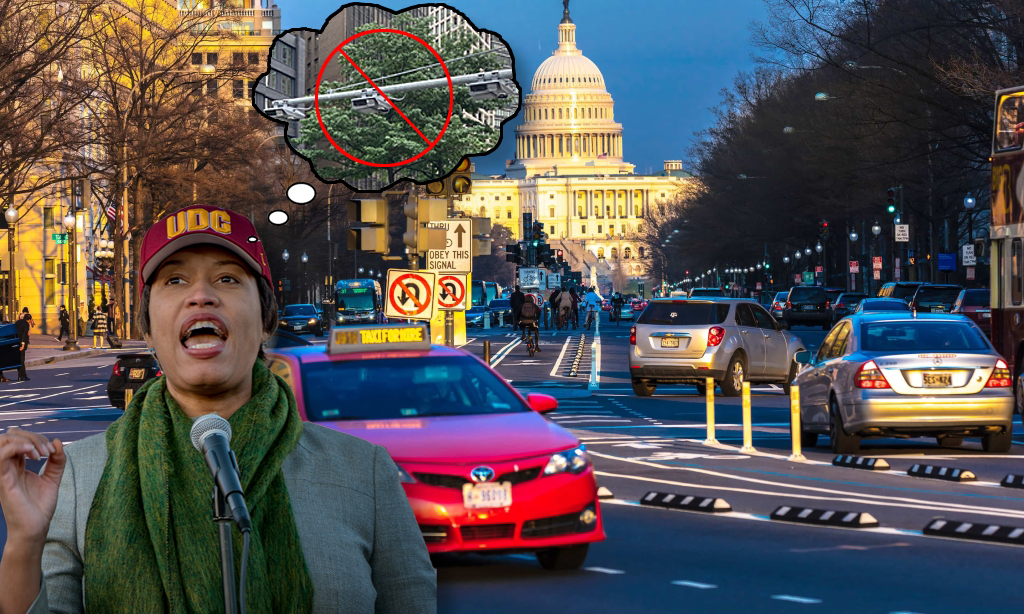
1 month agoAdvocates Get D.C. Mayor To Release Buried Report On The Potential Benefits Of Congestion Pricing - Streetsblog USA
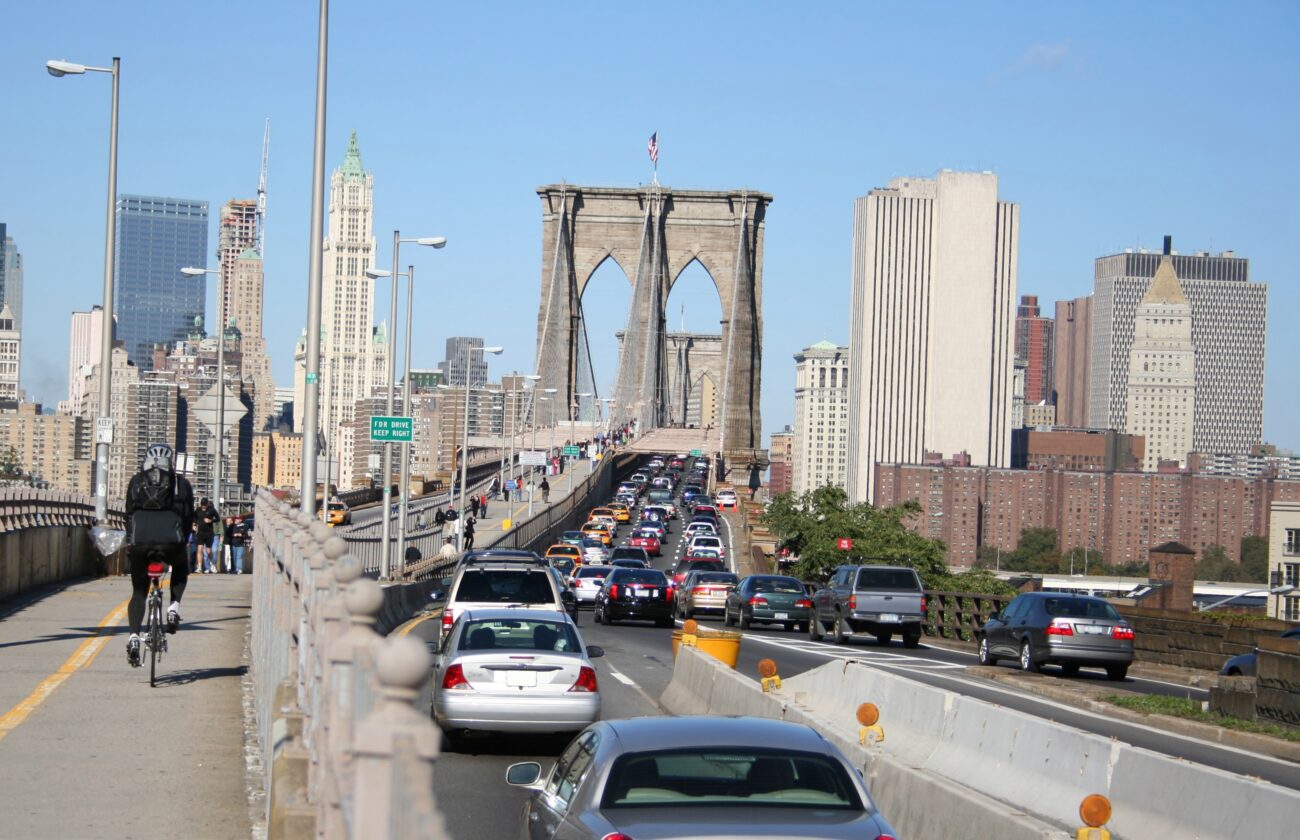
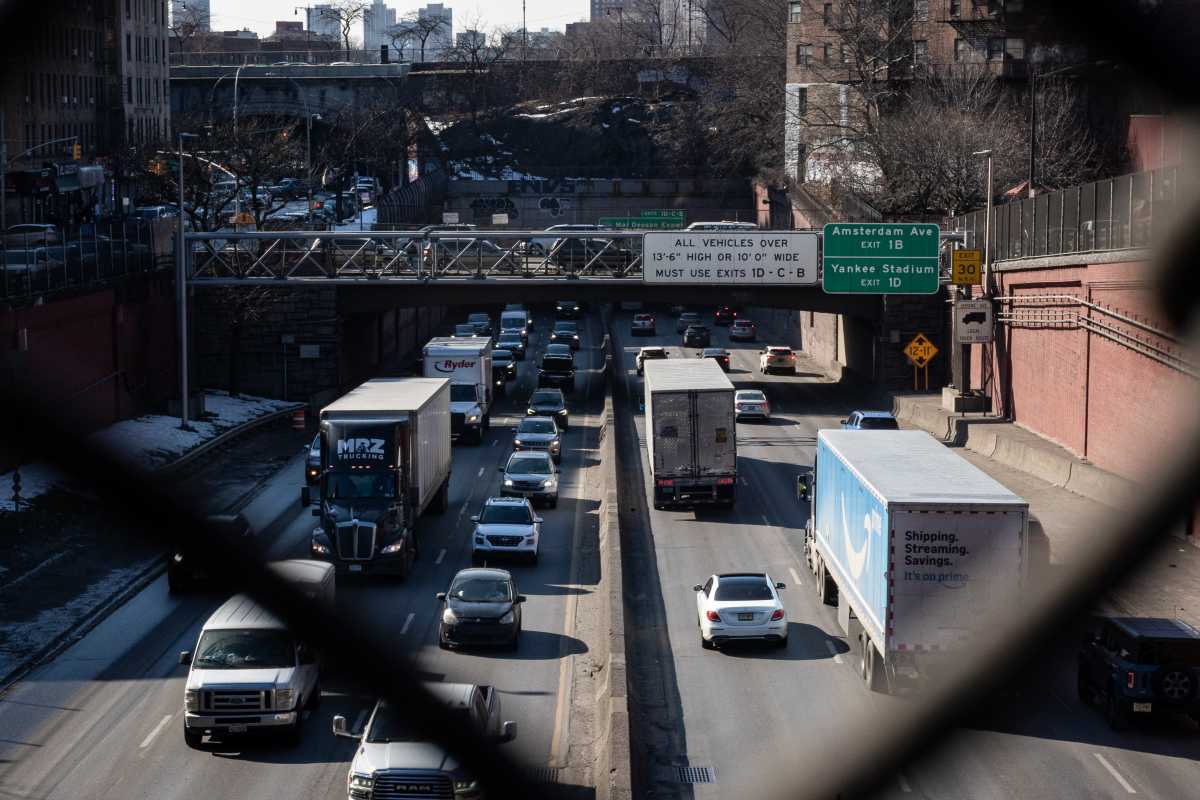
Washington D.C.'s delayed congestion pricing report projects 11% traffic reduction, 30% transit increase, and $667 million in revenue, yet Mayor Bowser refuses implementation despite legal mandate to release findings.
NYC politics
fromNewsday
1 month agoCongestion pricing to stay after judge rules against Trump administration
A federal judge blocked the Trump administration's attempt to end New York's congestion pricing program, ruling the decision was arbitrary and capricious, and restored federal approval for the tolling system.
SF politics
fromStreetsblog California
1 day agoBill to Exempt L.A. from Housing Density Near-Transit Bill Heads to the Senate Housing Committee Tomorrow - Streetsblog California
Senate Bill 1361 aims to exempt L.A. Metro from state density mandates near transit stops, amid local opposition to previous legislation.
fromwww.bbc.com
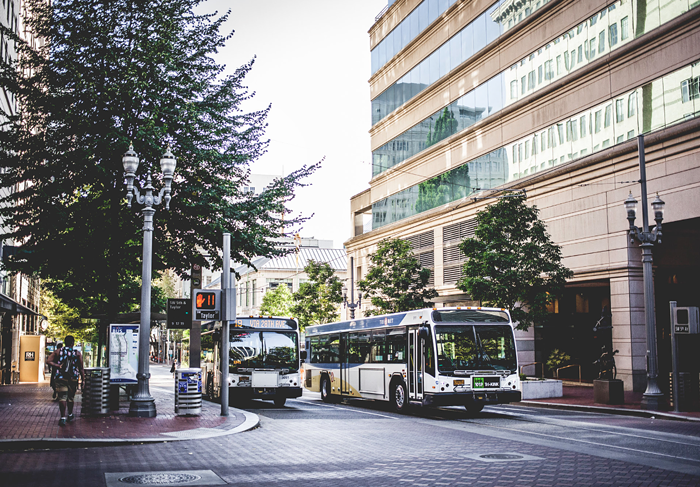
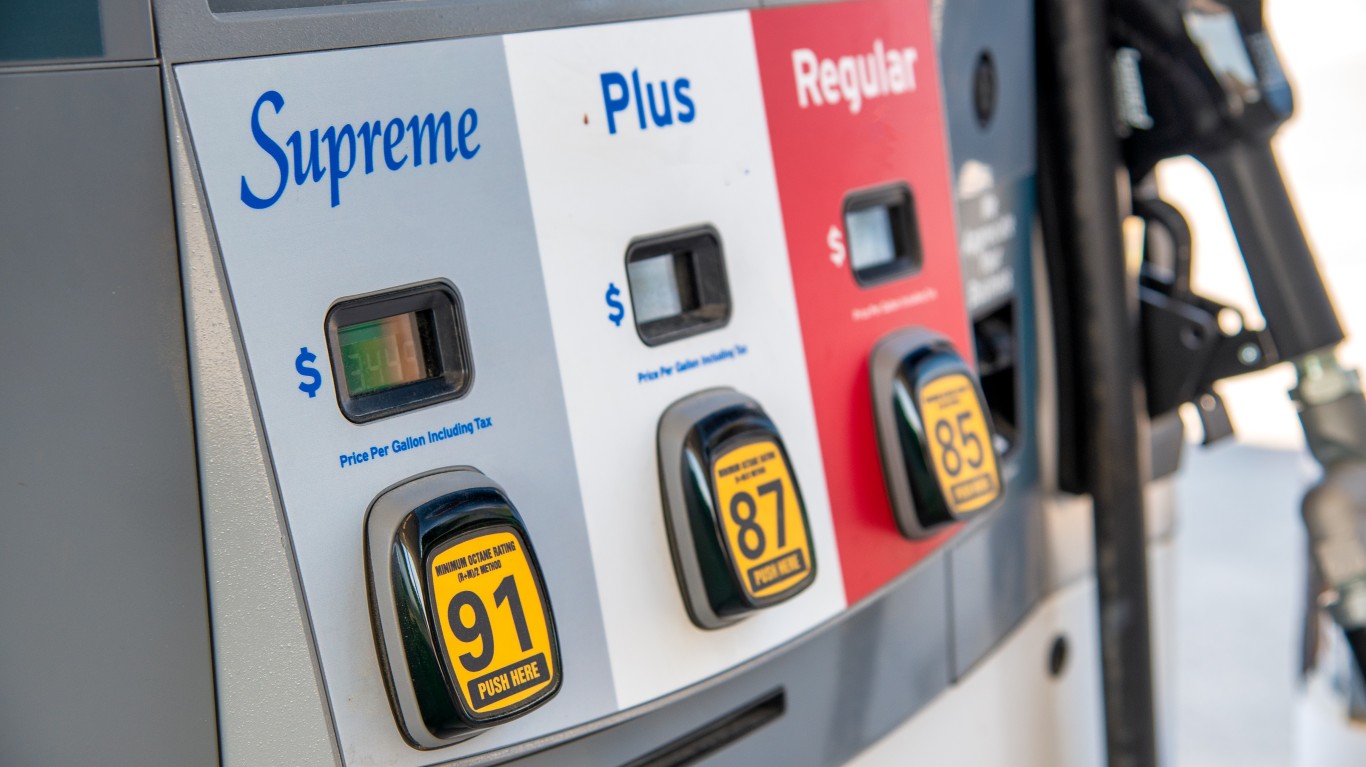
2 days agoFuel rations and free buses: How countries have responded to rising oil prices
The International Energy Agency (IEA) says it is the 'largest supply disruption in history'. With the disruption expected to have a lasting impact on prices, governments around the world have introduced measures to limit the impact on consumers and the economy.
Europe news


#e-bikes
New York City
fromwww.amny.com
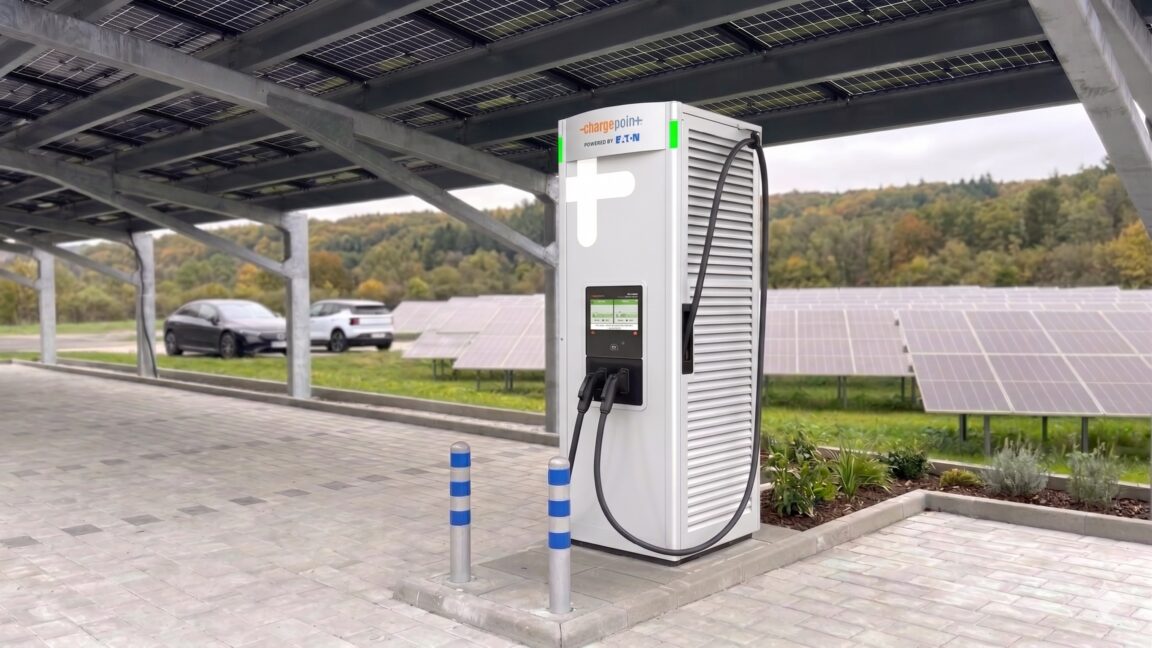
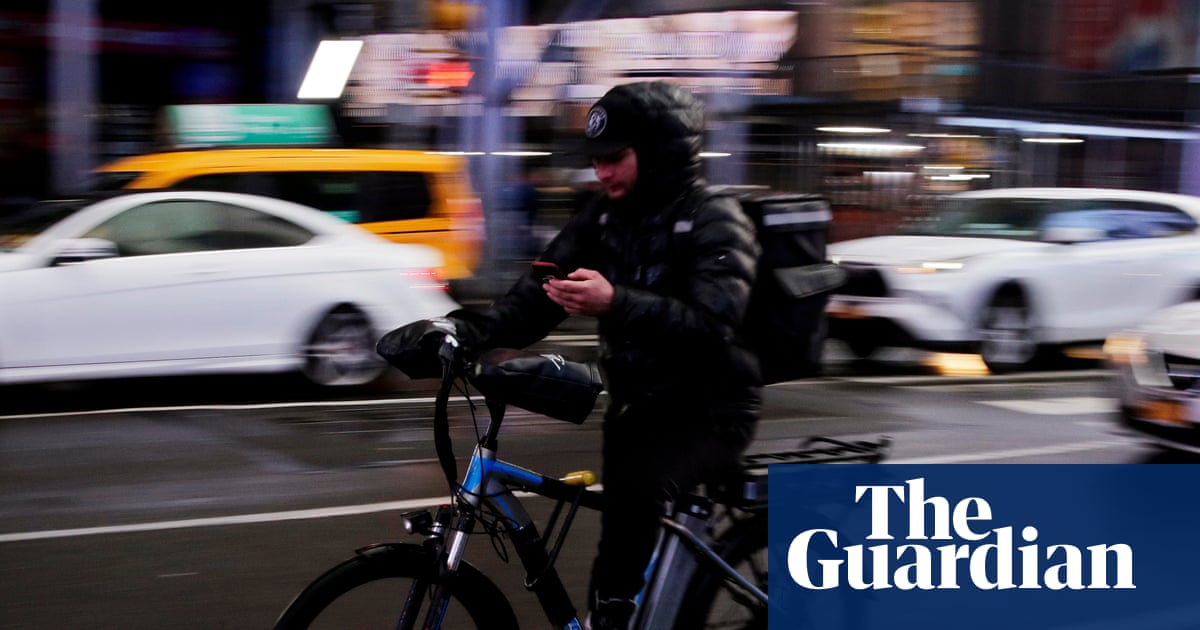
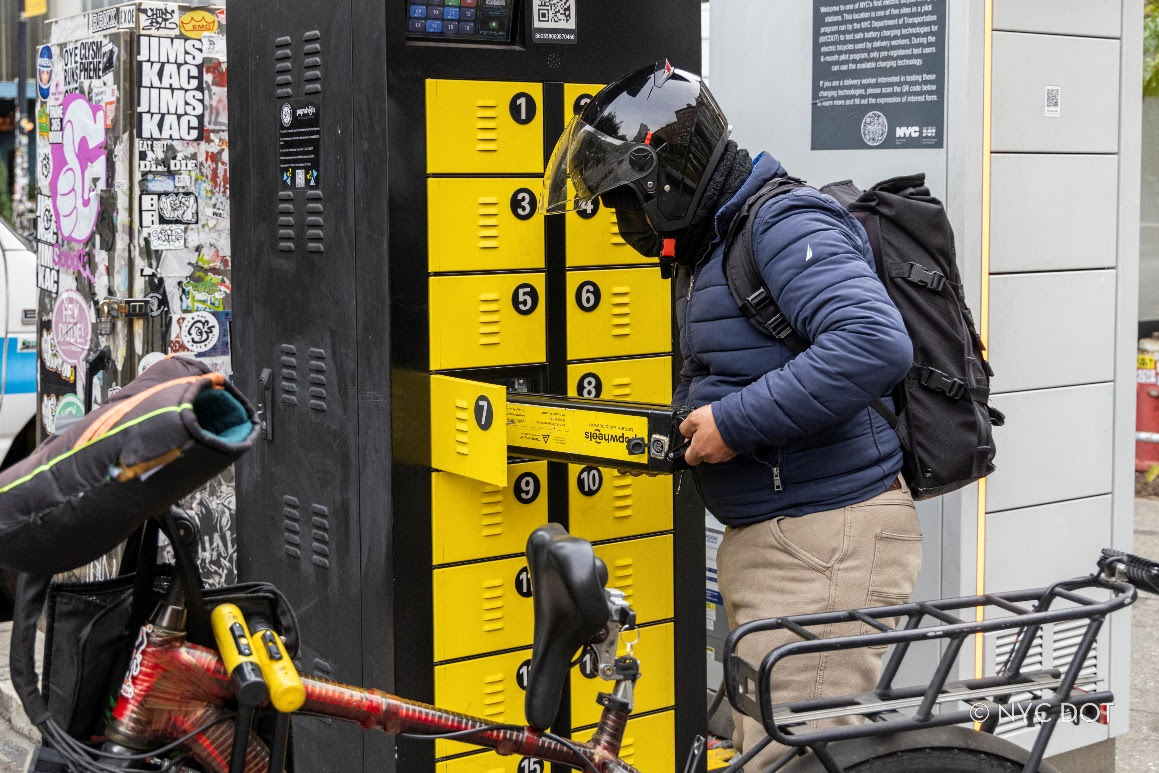
5 days agoFIRST ON amNY | DOT opens asks New Yorkers to weigh-in on e-bike charging cabinet locations with new portal | amNewYork
An online portal will gather public feedback on 50 potential locations for e-bike battery swapping cabinets, aiming to enhance safety and accessibility.
Alternative transportation
fromStreetsblog California
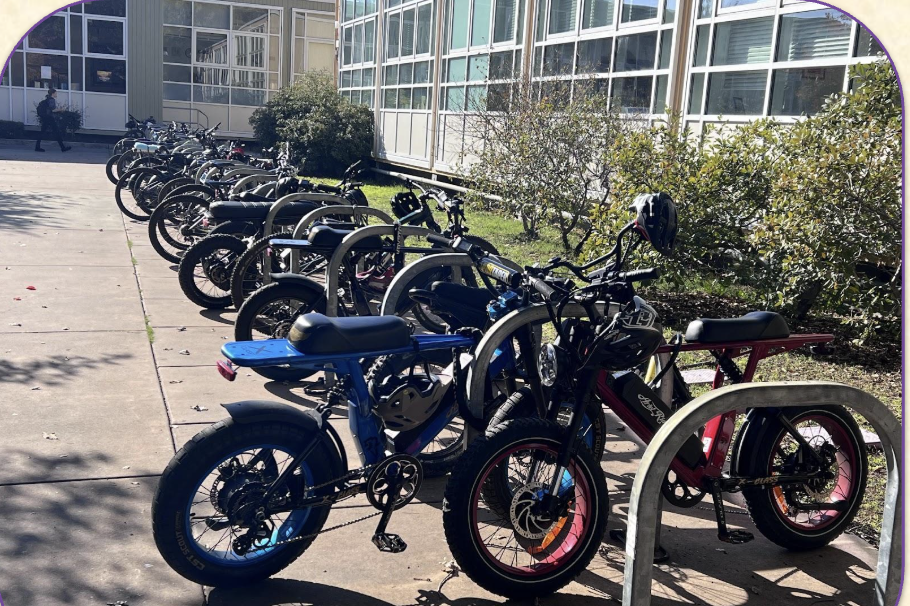
1 week agoOpEd: Separating Substance from False Solutions, E-bike and E-moto Activity in Sacramento - Streetsblog California
Legislators are proposing bills to clarify the distinction between e-bikes and illegal e-motos, addressing safety and enforcement issues.
SF politics
fromStreetsblog California
5 days agoMayor Gloria's Budget Has Deep Cuts for Safety and Bicycle Program for the San Diego Department of Transportation - Streetsblog California
San Diego's draft Fiscal Year 2027 budget proposes significant cuts to city services, including critical transportation safety programs.
fromSFGATE
2 days agoOrange County makes the call, ends freeway call box service
"While the need for safe, reliable roadside assistance hasn't changed, the way people access help has," Transportation Authority spokesperson Eric Carpenter stated. "We're focusing on modern tools like 511 and freeway service patrols to deliver faster service while reducing the need for drivers to leave their vehicles in potentially dangerous conditions."
California
Alternative transportation
fromLondon Business News | Londonlovesbusiness.com
12 hours agoTruck industry urges technology-open transition as ZEV uptake stalls - London Business News | Londonlovesbusiness.com
The government must ensure HGV operators access technologies to cut carbon emissions amid declining zero-emission vehicle adoption.
#transportation
SF politics
fromStreetsblog USA
1 week ago"Why Do We Do This Bill?": Preparing Congressional Staff for Surface Transportation Reauthorization - Streetsblog USA
Federal surface transportation reauthorization lacks institutional knowledge, leading to skepticism about its effectiveness and the need for reevaluation.
fromsfist.com
2 days agoDUI Suspect Crashes Into Powell-Market Cable Car Turnaround, Prompting Overnight Closure
A 47-year-old male driver entered the restricted area of the cable car turnaround and caused damage to the turnaround signal and a protective concrete barrier, but no injuries were reported.
San Francisco
Alternative transportation
fromStreetsblog USA
1 day ago'Best Bikeshare in America': An Unexpected Community Launches Free, All-Electric Micromobility For Residents - Streetsblog USA
Heartland Bikeshare in Omaha offers free unlimited 60-minute rides for residents, promoting biking and challenging other communities to enhance their micromobility initiatives.
fromFast Company
8 hours agoWe made flying nearly collision-proof decades ago. Why are intersections still so dangerous?
The real problem is infrastructure, not vehicle safety. Roadways are open systems with infinite variables—weather, pedestrians, distracted drivers, and aging infrastructure. Communication between vehicles is minimal, and infrastructure is largely silent—and in that gap lies the potential for deadly collisions.
Alternative transportation
fromStreetsblog New York City
15 hours agoWaymo Is Not In The 'Vision Zero' Toolbox: Data - Streetsblog New York City
"If we can get more folks off all the roads and their personal vehicles and use the safer service which our stats show, at least in our service in the cities where we operate, we are contributing to less crashes," Anthony Perez, Waymo's northeast policy manager, stated.
Alternative transportation
fromBusline News
1 week agoENC Named To Washington State DES Statewide Transit Bus Contract - Busline News
Being named to the Washington State DES contract is a significant milestone for ENC and a testament to the strength of our product portfolio. This contract gives transit agencies across the region a streamlined path to American-made, Altoona-tested heavy-duty buses in every major propulsion category.
Alternative transportation
Alternative transportation
fromStreetsblog USA
6 days agoFlorida Town Gives New Residents Free Golf Carts to Replace Their Cars - Streetsblog USA
Babcock Ranch incentivizes residents to drive less by offering free golf carts with new home purchases, promoting a community focused on alternative transportation.
East Bay (California)
fromThe Oaklandside
1 month agoHow could Oakland raise billions in revenue? New report suggests removing freeways
Urban highways occupy valuable land that generates minimal tax revenue compared to potential development, with Oakland potentially gaining $23.9 billion by removing freeways within three miles of downtown.
#california-gas-tax
SF politics
fromThe Mercury News
1 month agoSacramento Snapshot: Could California pause the gas tax or start charging drivers fees based on mileage? A look at dueling proposals in the statehouse
California Republicans are pushing to suspend the state gas tax for one year, citing a convergence of factors including affordability crisis, Middle East tensions, and refinery closures that may increase legislative support.
SF politics
fromwww.ocregister.com
1 month agoSacramento Snapshot: Could California pause the gas tax or start charging drivers fees based on mileage? A look at dueling proposals in the statehouse
California Republicans are pushing to suspend the state gas tax for one year, citing a perfect storm of affordability crisis, Middle East tensions, and refinery closures that may increase legislative support.
#transportation-funding
Alternative transportation
fromStreetsblog
1 month agoCalifornia Must Stop Expanding Highways - Streetsblog San Francisco
California allocates transportation funding to highway expansion projects despite tailpipe pollution causing half of state greenhouse gas emissions, contradicting the need to prioritize sustainable travel alternatives.
European startups
fromPortland Mercury
1 month agoLegislators Temporarily Cut Data Centers From Oregon Tax Break Bill
Oregon's budget subcommittee blocked new data center projects from tax break eligibility until summer 2027, preventing hundreds of millions in additional subsidies to already-profitable companies like Amazon, Meta, Apple, and Google.
fromPortland Mercury
1 month agoFair Transit = Fareless TriMet
We already pay the bulk of the TriMet operating budget through (mostly employment) taxes (49%), federal operating grants (13%), state and local revenue (8%). That's a total of 70% that everybody has already paid—even folks who aren't passengers. Passenger revenue only covers 6% of the TriMet budget.
Portland
California
fromStreetsblog
1 month agoStreetSmart 15: Homes Before Highways - Streetsblog California
Over 800 homes demolished in six years for highway projects in California, revealing how transportation investments reduce housing supply and destabilize communities while remaining overlooked in housing policy debates.
fromStreetsblog
1 month agoWhy This State Is Fighting To Get Its First 'Active Transportation Plan' - Streetsblog USA
Missouri is the most populous state without a statewide active transportation plan, despite nearly one-third of its residents lacking a driver's license and alarming fatality rates among vulnerable road users.
Alternative transportation
California
fromwww.mercurynews.com
1 month agoMcNerney: Californians pay more to D.C. than we get back. Here's a way to help with that.
California pays approximately $29 billion more annually in federal taxes than it receives, funding about 30 other states, prompting proposed solutions like Senate Bill 1275 to reduce residents' federal tax burden through vehicle purchase incentives.
California
fromStreetsblog
2 months agoUC Berkeley Report Says California Transportation Policy Is Still Built for Cars - and It's Deepening Inequality - Streetsblog California
California's transportation planning prioritizes cars over people's access, worsening inequality, unsafe streets, higher costs, and housing pressures.
California
fromStreetsblog
2 months agoHighway Projects Still Grab Biggest Share as California OK's Nearly $1B in State Transportation Funding - Streetsblog California
California approved $988.7 million in transportation investments prioritizing highways and road safety while including some transit, walking, and bicycling funding.
Alternative transportation
fromStreetsblog
1 month agoStreetSmart 14.1 - What to look for from the 2026 Legislature - Streetsblog California
Sacramento legislators are advancing e-bike regulation, transit enforcement expansion, and transit governance reforms, though structural transit changes face delays from pending state reports.
[ Load more ]