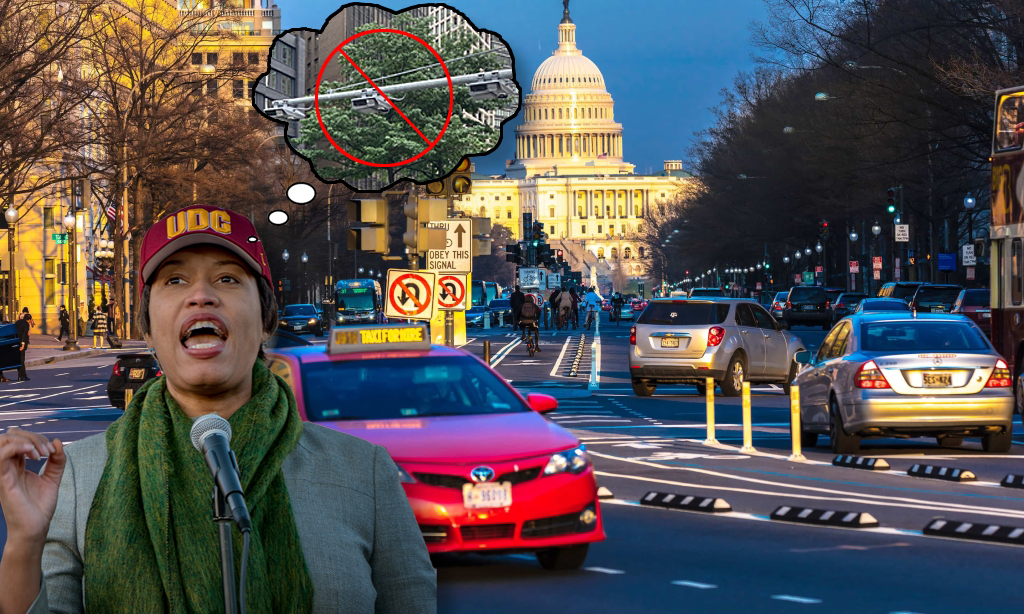
Mayor Muriel Bowser released a Council-mandated analysis of congestion pricing for Washington D.C. nearly five years after receiving it in July 2021, delayed beyond legal requirements. The report, based on pre-pandemic data, projects significant benefits: 11% vehicle traffic reduction, 30% increase in transit trips, and up to $667 million in gross revenue for transit, biking, and walking improvements. Drivers paying tolls would gain approximately 24 hours annually in faster travel times. Despite these findings, Bowser rejected the report's recommendations, claiming D.C. should pursue different downtown strengthening strategies rather than congestion pricing, distinguishing the city from New York's Midtown Manhattan model.
"The report was based on pre-pandemic data, but advocates were still stunned by the results of the proposed pricing models: an 11-percent reduction in vehicle traffic, a 30-percent increase in transit trips, up to $667 million in gross revenue that could be allocated towards transit, biking, and walking improvements, particularly in the region's most transportation-burdened areas."
"And there's a benefit to drivers, too. The toll would reduce so much traffic that motorists who were willing to pay the toll would gain back as much 24 hours every year in the form of faster travel times - without sacrificing the mobility of those who weren't, since D.C. has one of the most robust transit networks in the country."
"In a letter, Bowser said she had released the report of her own accord - which is debatable, considering that a lawsuit from nonprofit Greater Greater Washington would have forced her to do it in just a few weeks - and that she did not accept its results, urging the District Council to move on to more serious conversations about how we can strengthen, not weaken, the District's downtown core."
#congestion-pricing #urban-transportation-policy #washington-dc-government #transit-infrastructure #traffic-management
Read at Streetsblog
Unable to calculate read time
Collection
[
|
...
]