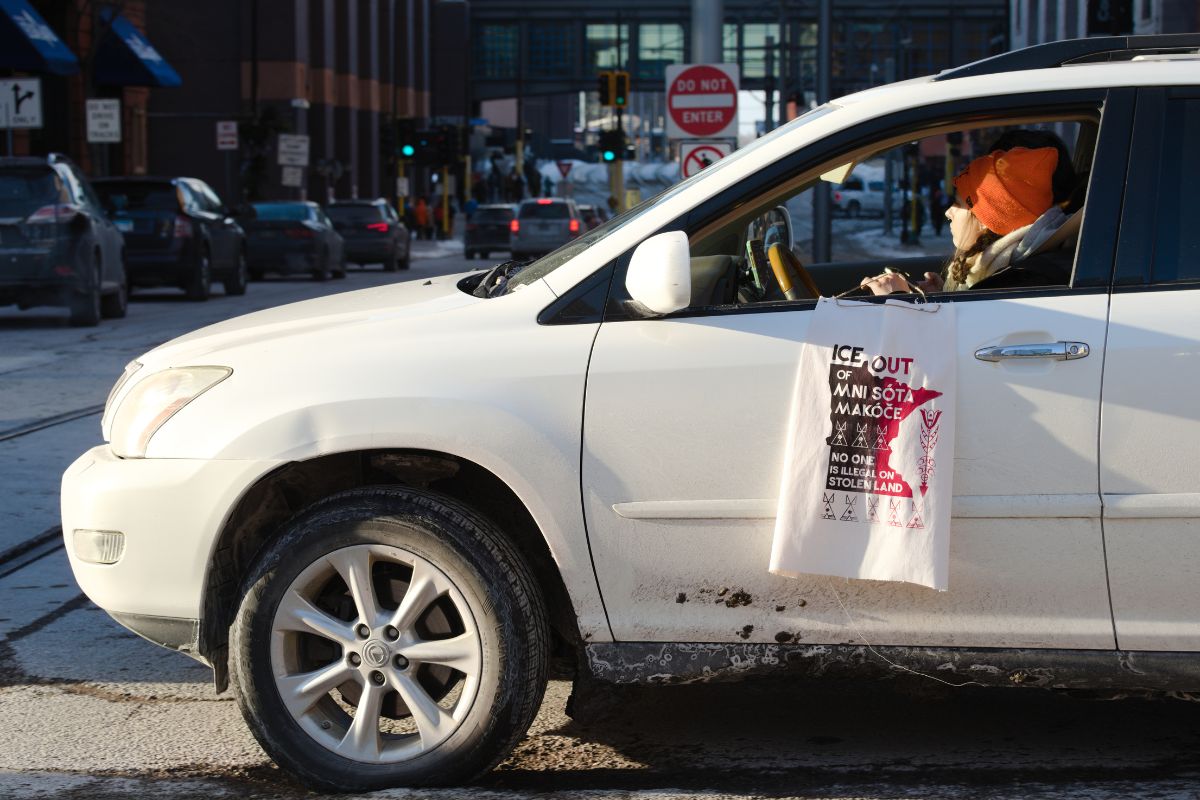
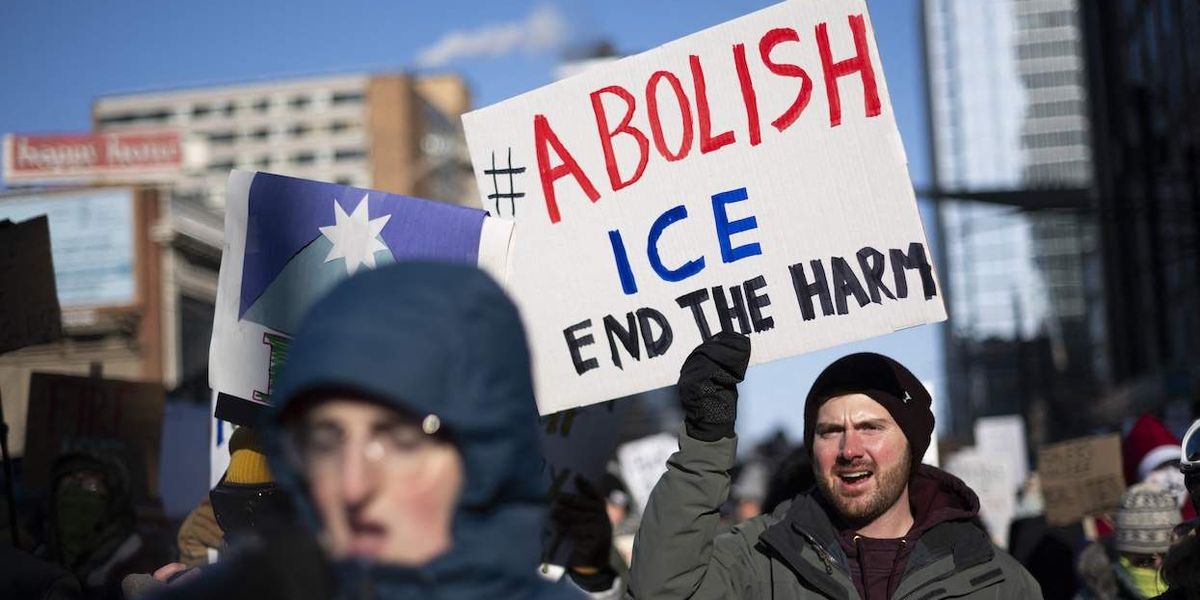
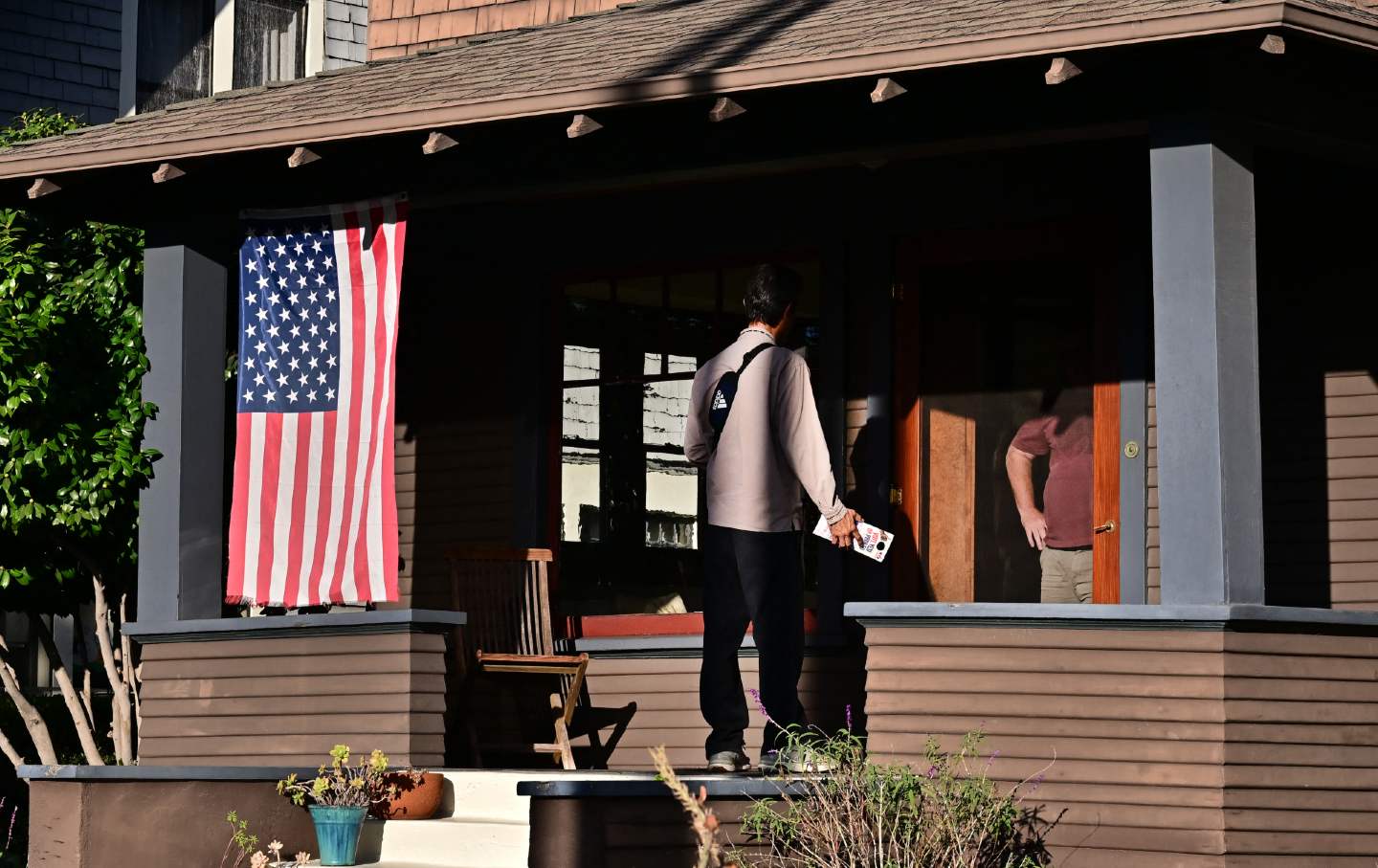
Erin Tobes and Audra Wunder are stay-at-home moms in the suburban Lincoln Square neighborhood of Chicago. It's a tight-knit community where everyone knows everyone, including the large, diverse population of immigrants and refugees who live there. When President Trump announced that he would send U.S. Immigration and Customs Enforcement (ICE) agents to Chicago, Tobes and Wunder met with the principal of their kids' school to find out what they could do to protect students and their families.
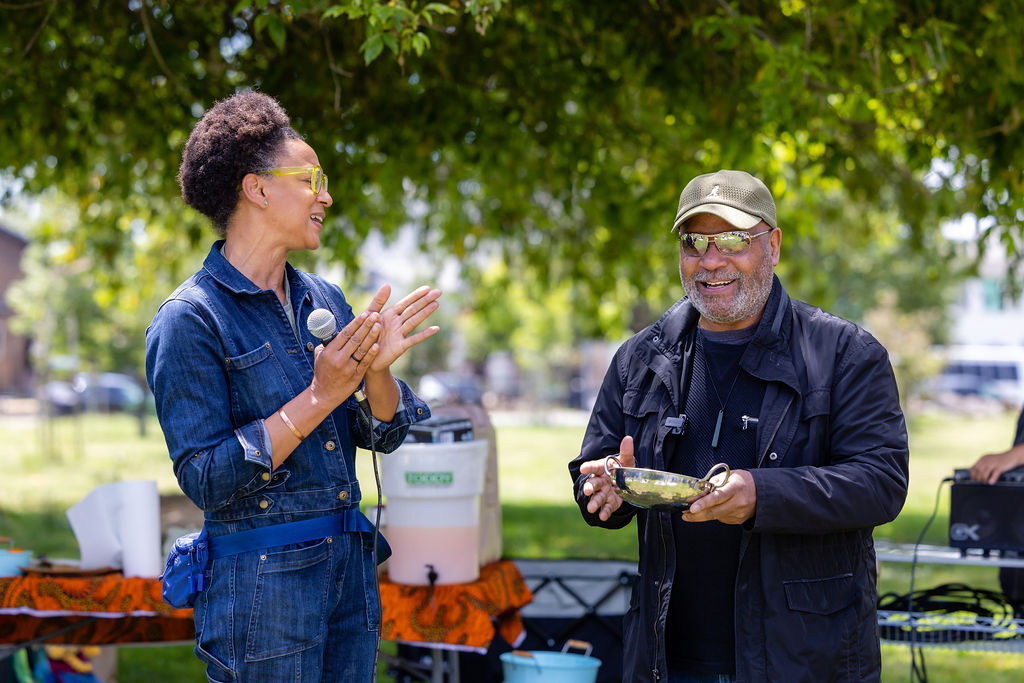
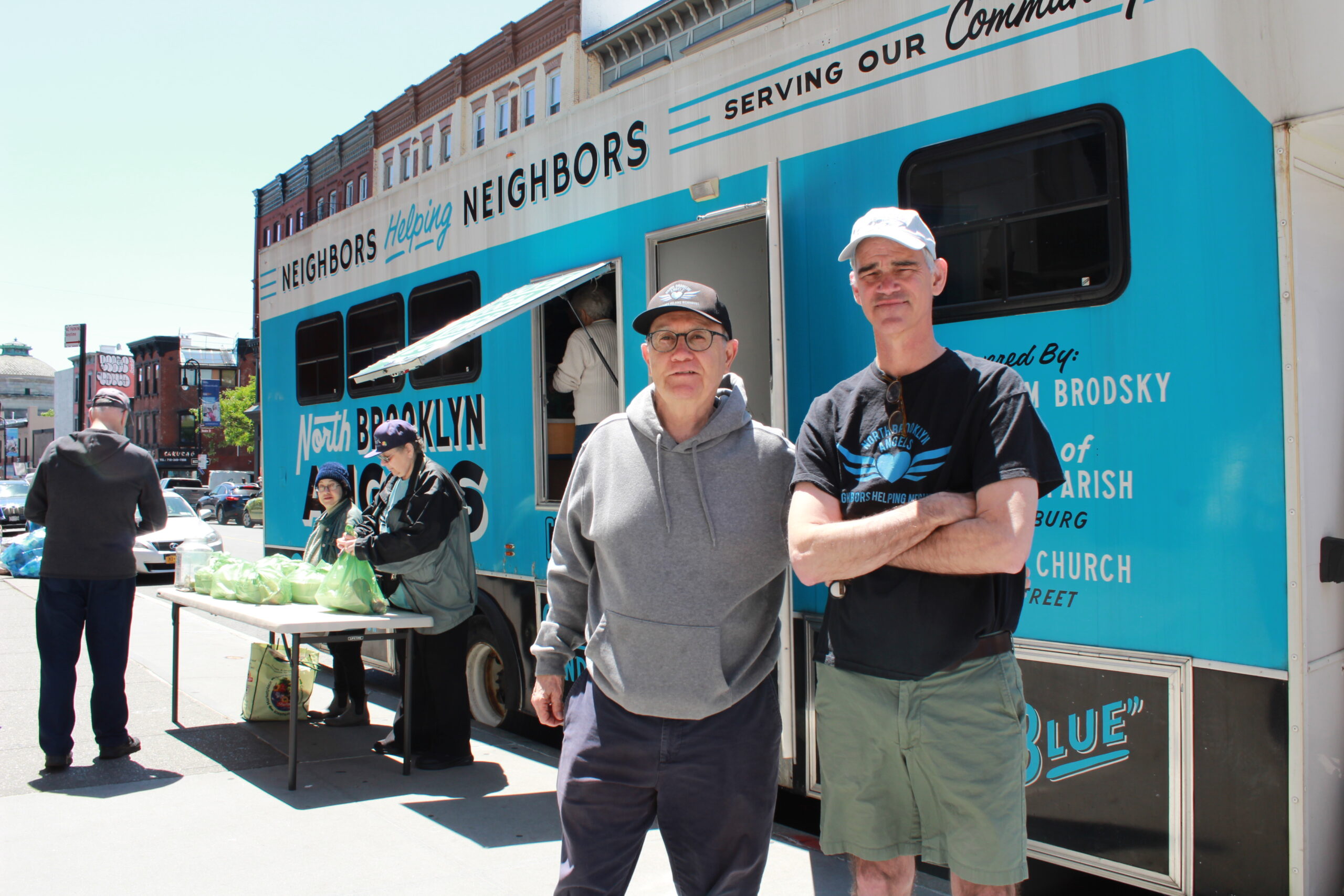
When resources were limited and someone needed help, neighbors knew-you didn't have to ask-and the community in its own way showed up to help with what they could. From helping to take the kids to school to showing up at the hospital when someone was sick, neighbors stepped up with kindness to share their limited but valuable resources. These experiences shaped my perspective about how community stands with community by sharing resources and the forces that mobilize them: relationships.
Millions of Americans who might have managed to get through the first ten months of this administration unscathed are now finding that they are not immune from this president's prioritization of power over people. Every day I hear from more friends whose healthcare premiums are skyrocketing to unaffordable heights. Federal workers have been without pay throughout the long government shutdown. Bay Area companies are announcing huge layoffs.
The unbordered reel The Arab Film Festival is back for its 29th year, holding steady after a year of budget stress and community rescue. What started as a scramble for support turned into a surprisingly full program, with films arriving from across the Arab world. In theaters from San Jose to Oakland, the lineup includes five Oscar submissions, three of them Palestinian. Festival organizers frame the work as a gesture toward visibility and belonging, inviting audiences to meet the region's filmmakers on their own terms. Screenings continue in Oakland through the weekend.
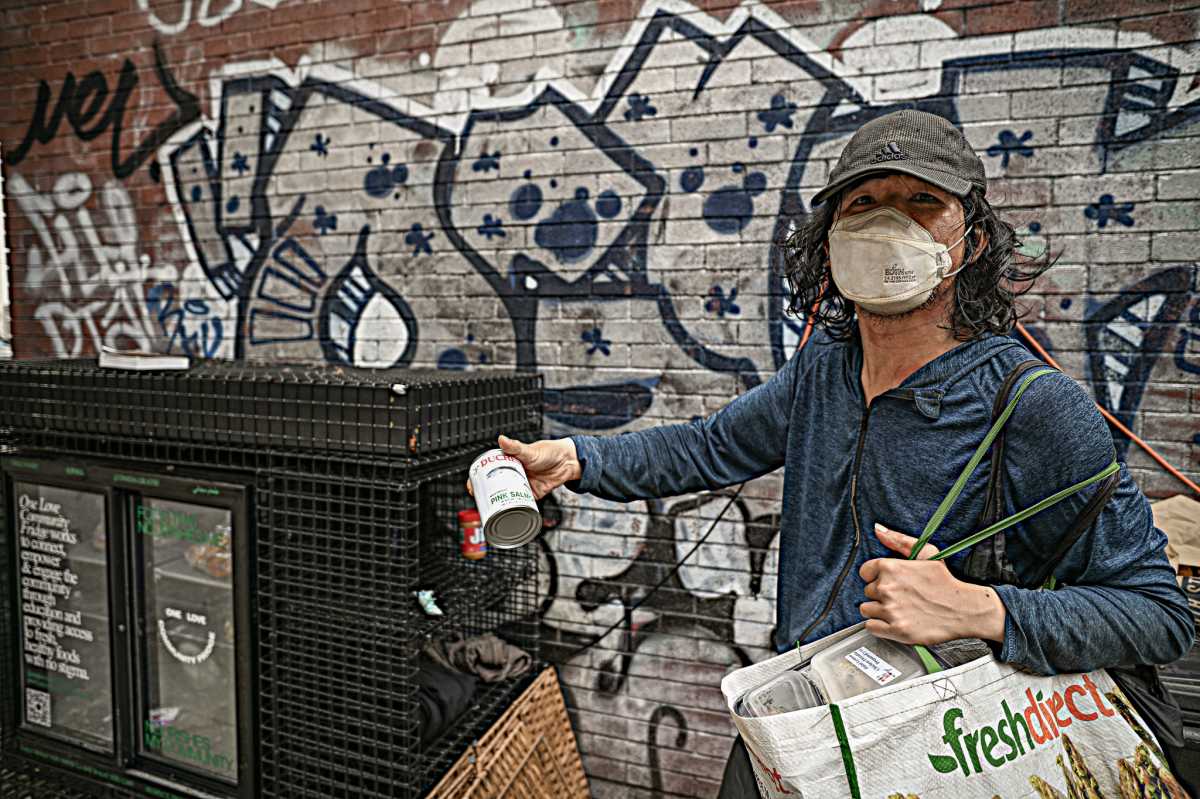
As a community organizer in New York City, Sharifa Khan spends a lot of time visiting food distribution hubs, community gardens, and local shelters. While speaking with community members, she often encounters the same issue: people want to get involved in volunteering, but they're not sure where to start. So, Khan decided to make a tool to address that-and it couldn't have come at a more important moment.
Co-owner Isa Steyer tells Eater that as soon as the team heard the news, they wanted to host a drive. She and the team decided to drop off their goods at the food pantry at John Wesley United Methodist Church weekly, because they had the capacity and also took in baby products, "which is great for our family-filled neighborhood," she writes over Instagram direct message.
In a moment when the world feels like it's on fire, the only thing we can count on is each other. Relationships and care are not just the foundations of any functioning society, they are the tools necessary to rebuild a failing one. As we've seen throughout 2025, communities have been scrambling to respond to the relentless onslaught coming from the federal government, the corporate class, and the well-funded institutions of the global right.
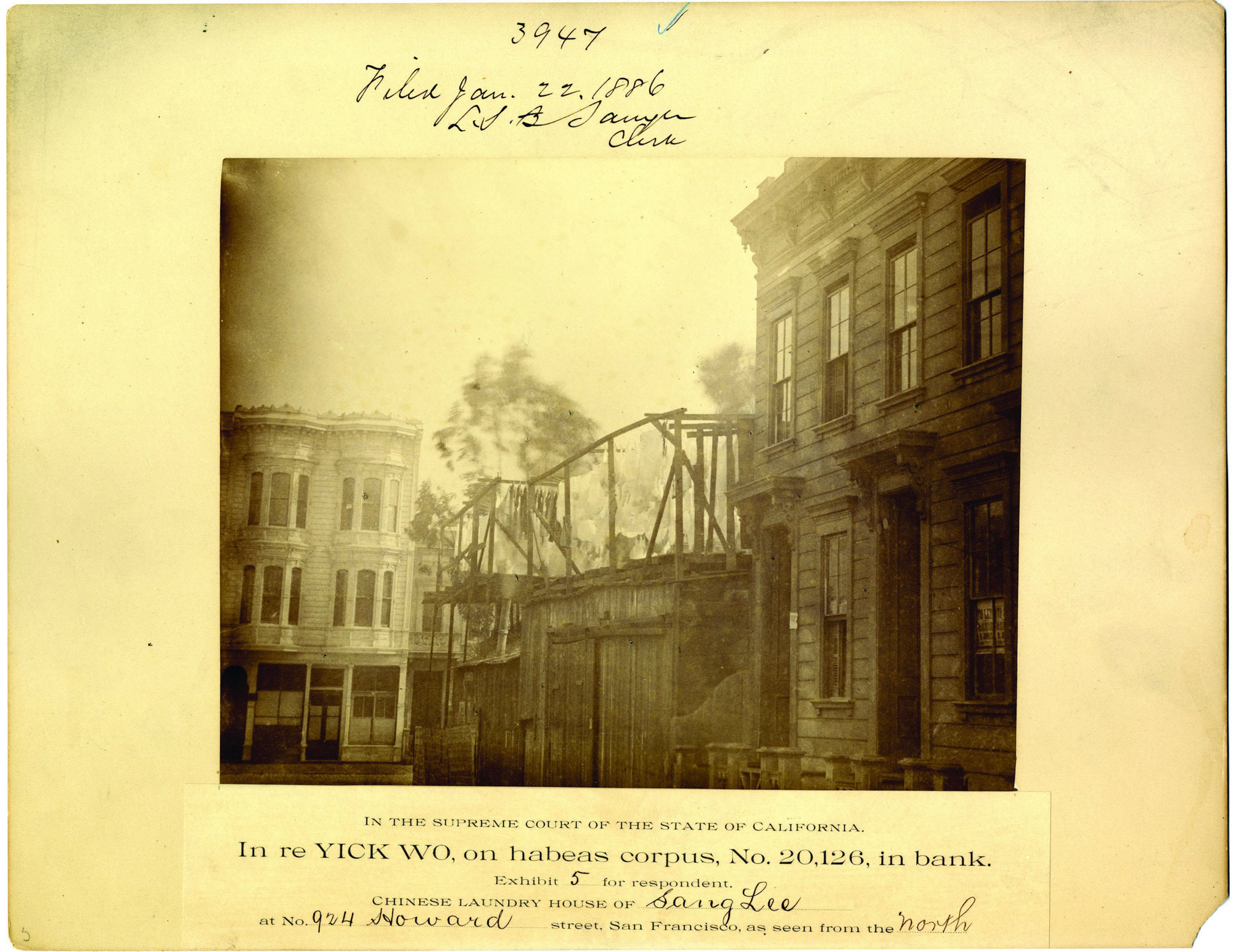
The increased number of violent ICE raids and arrests have escalated concerns about the equal protection and due process rights of migrants. Non-citizens won these rights more than a century ago, when two Chinese laundrymen brought their fight against discrimination all the way to the US Supreme Court. Yick Wo vs. Hopkins is just one way early Chinese immigrants helped shape constitutional principles that remain foundational to American democracy. And as KQED's Cecilia Lei reports, that case still resonates today.
Younger immigrant members of the time bank often offer assistance with household tasks, like carrying heavy things up the stairs. She recalled a story of members rallying to help a woman in her 50s who had to leave her home on short notice. They moved boxes, painted walls and stripped floors to make her fixer-upper livable. In return, Albright said, immigrants often request help with navigating challenging systems, like health care appointments.
In 2020, while writing her PhD dissertation on bringing land-restoration efforts in urban settings in Seattle under the management of Indigenous peoples, the Indigenous scientist Jessica Hernandez noticed that many of the articles and books she wanted to incorporate were not written by Indigenous people. Moreover, those that were were often not written in English. She wrote her first book, Fresh Banana Leaves (2022), as a way to help Indigenous peoples feel represented and to integrate Indigenous knowledge into scientific research.
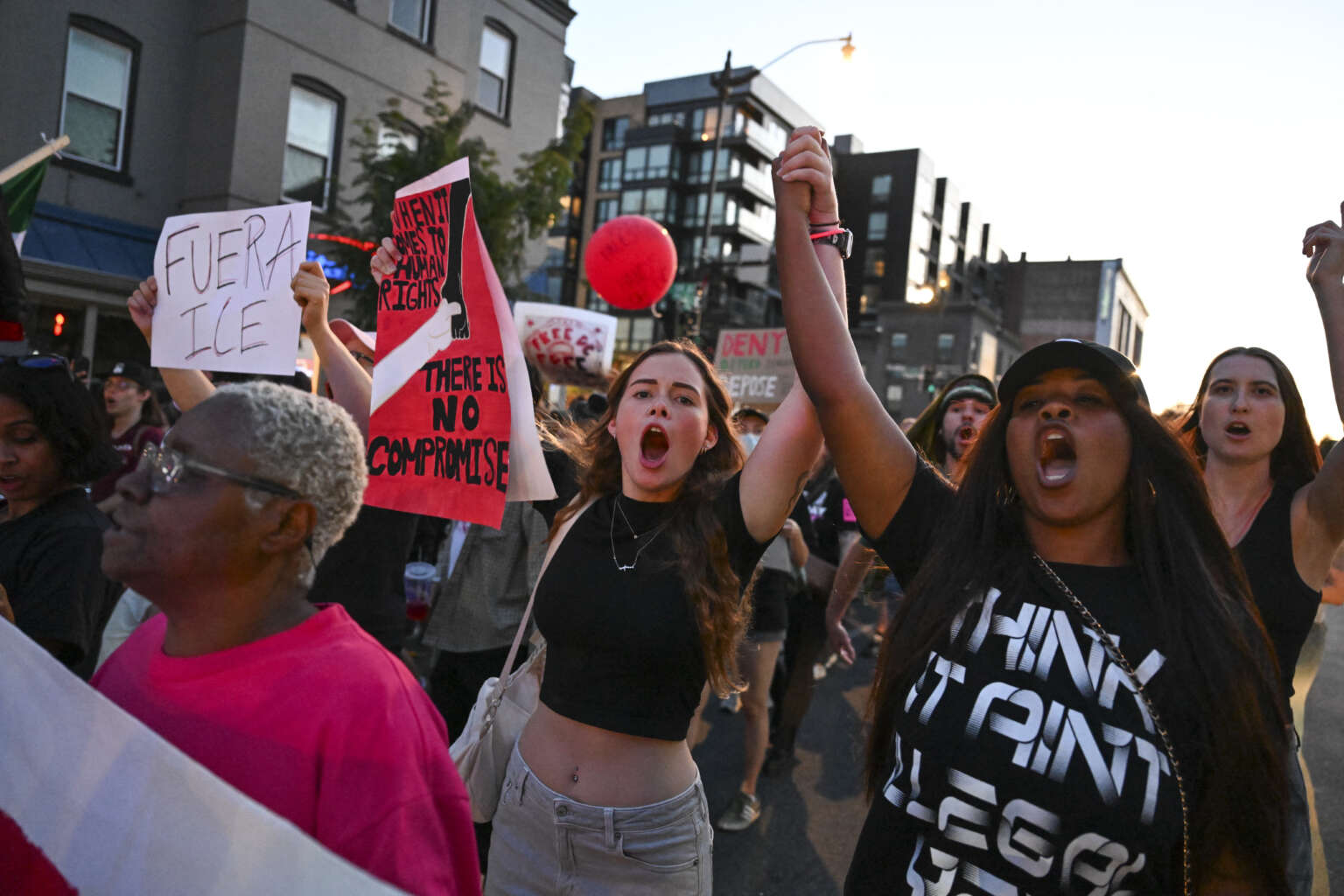
Criminalization is the default framework people turn to in the United States to restore their sense of order, amid a crisis or emergency, so, when I hear someone suggest something wild, like calling the police on ICE, I understand where they're coming from. But as the Trump administration continues to consolidate power, we need to lose our illusions about the law as a moral instrument. We need more outlaws and less confusion about what the law protects and who it targets.