#museum-fees
#museum-fees
[ follow ]
#san-francisco #free-admission #contemporary-art #civic-engagement #community-engagement #museum-funding
London
fromwww.theguardian.com
1 day agoLike a concrete aircraft carrier: was LA's giant new $724m gallery really worth all the carbon emissions?
The new David Geffen Galleries at Lacma is a $724 million architectural marvel designed by Peter Zumthor, symbolizing a transformative vision for the museum.
#uk-museums

fromThe Art Newspaper - International art news and events
2 weeks agoArts
Should English museums charge tourists? Plus, Raphael at the Met and Senga Nengudi at the Whitechapel Gallery-podcast
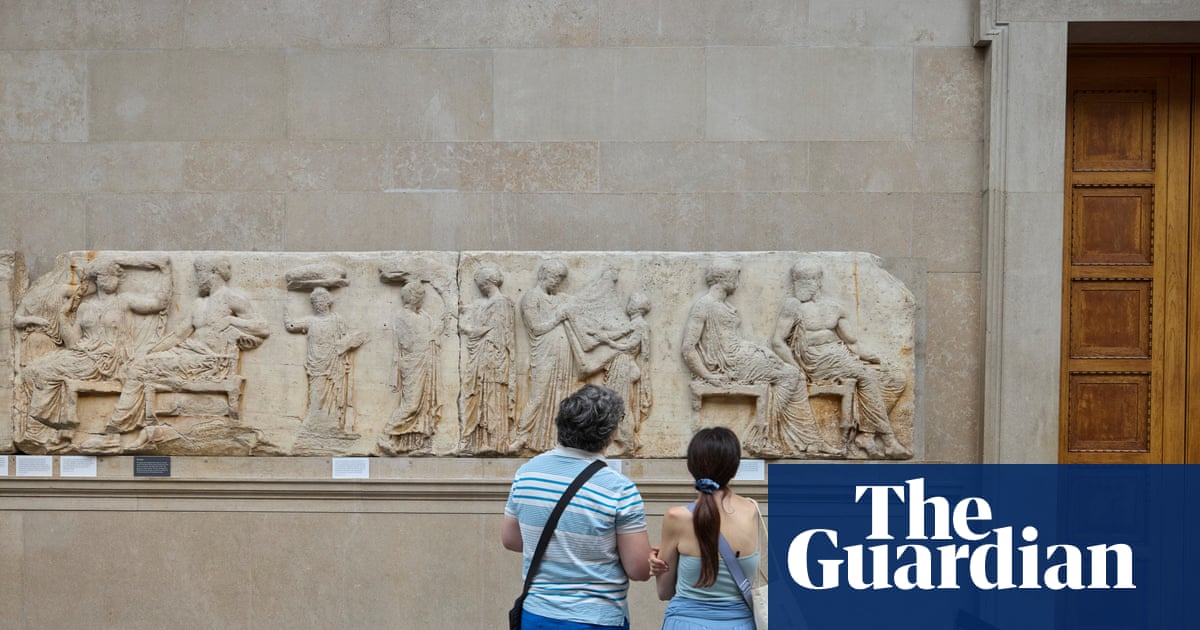
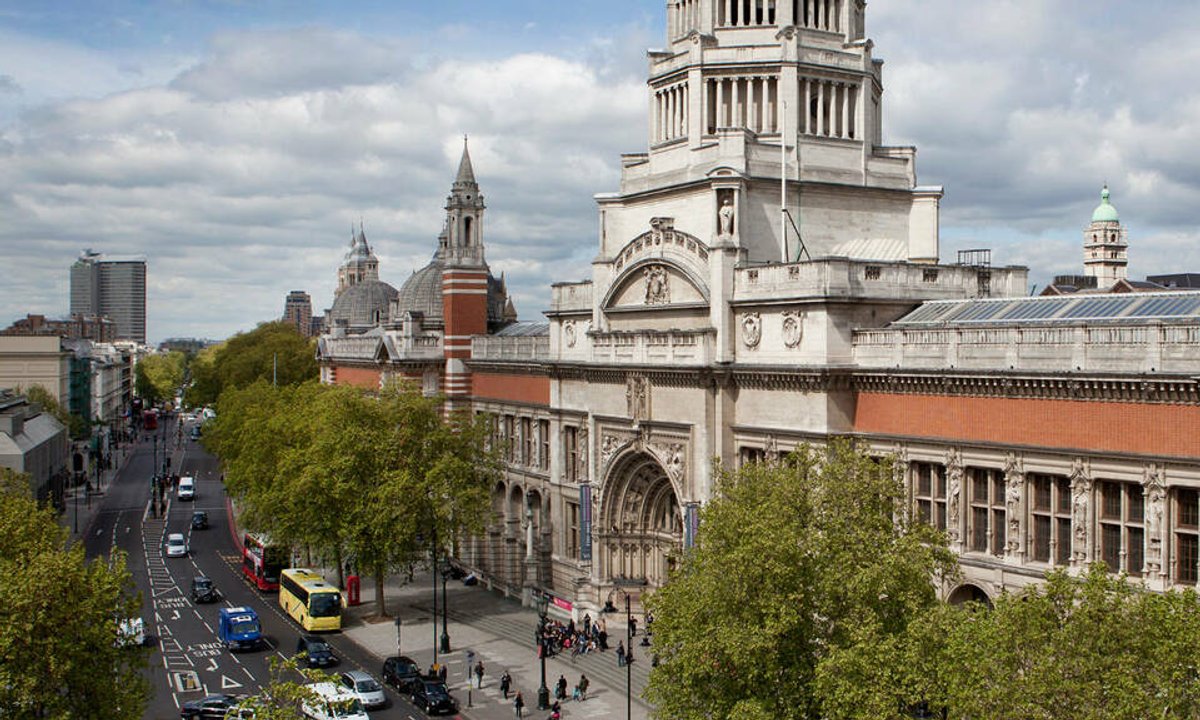
The UK government is considering charging tourists for entry to national museums, challenging the current policy of free admission.


.png?trim=0,0,0,0&width=1200&height=800&crop=1200:800)
fromThe Art Newspaper - International art news and events
1 month agoIs most art now just too expensive for most people?
The inaugural edition of a new Art Basel fair opened in natural gas-rich Qatar in February with a novel artist-curated format consisting of 87 dealers presenting focused, biennial-style displays by individual artists. The ruling Al Thani family, worth $200bn, toured the fair before it opened and reserved numerous works, leaving dealers to spend the next few days wondering if and when those reserves would convert into sales.
Miscellaneous
fromArchDaily
1 month agoArchiving the Technosphere: How Museum Architecture Mediates Human-Made Systems
The contemporary technology museum has emerged as a performative participant in the systems it seeks to document. The architecture of these institutions has become increasingly fluid and bold, often mirroring the velocity and complexity of the systems it houses. They operate as mediators between the human, the ecological, and the technological realms, transforming from encyclopedic warehouses into active educational engines.
Science

fromwww.thelocal.fr
2 months ago'It's discrimination': Reactions to France's museum price hike for non-EU visitors
At the start of 2026 France unveiled a new price structure for its national museums - including the Louvre and Versailles - that charges higher prices to non-EU visitors. Readers of The Local share their thoughts on this new law. Americans, UK citizens and Chinese nationals, who are some of the museum's most numerous foreign visitors, will be among those affected, as will tourists from poorer countries. This news has sparked a lot of controversy.
France news
fromThe Art Newspaper - International art news and events
3 weeks agoComment | Museums must be the leaders in a moral revolution
Bregman claims, 'Today the whole of Europe risks turning into one big Venice, a beautiful open-air museum. A great destination for Chinese and American tourists. A place to admire what was once the centre of the world.' This statement encapsulates the concern that Europe is losing its cultural significance.
Arts
fromFuncheap
1 month agoFree Admission Day at Yerba Buena Center for the Arts (YBCA)
Opened to the public in 1993, YBCA was founded as the cultural anchor of San Francisco's Yerba Buena Gardens neighborhood. Our work spans the realms of contemporary art, performance, film, civic engagement, and public life. Centering artists as essential to social and cultural movement, YBCA is reimagining the role an arts institution can play in the community it serves.
SOMA, SF
Education
fromOregon ArtsWatch * Arts & Culture News
2 months agoPortland Art Museum's Bold New Vision for Youth and Community Education and Engagement * Oregon ArtsWatch
Portland Art Museum transformed spaces to prioritize K–12 education with transparent, tech-enabled learning studios and youth galleries integrated visibly into the museum.
Arts
fromThe Art Newspaper - International art news and events
1 month ago'I don't like that idea': outgoing Tate director Maria Balshaw enters debate on museum admission charges
Charging overseas visitors to UK national museums raises ethical concerns about restricting access to culturally significant artifacts from their countries of origin.
Arts
fromHyperallergic
1 month agoMeet the Woman Who Made Museums More Accessible
Lorena Bradford, the National Gallery of Art's first head of Accessible Programs, transformed museum accessibility by creating intentional programs for disabled visitors, including ASL tours, memory loss programs, and medical student training initiatives.
Arts
fromThe Art Newspaper - International art news and events
1 month agoComment | Why museum leadership needs to decentralise
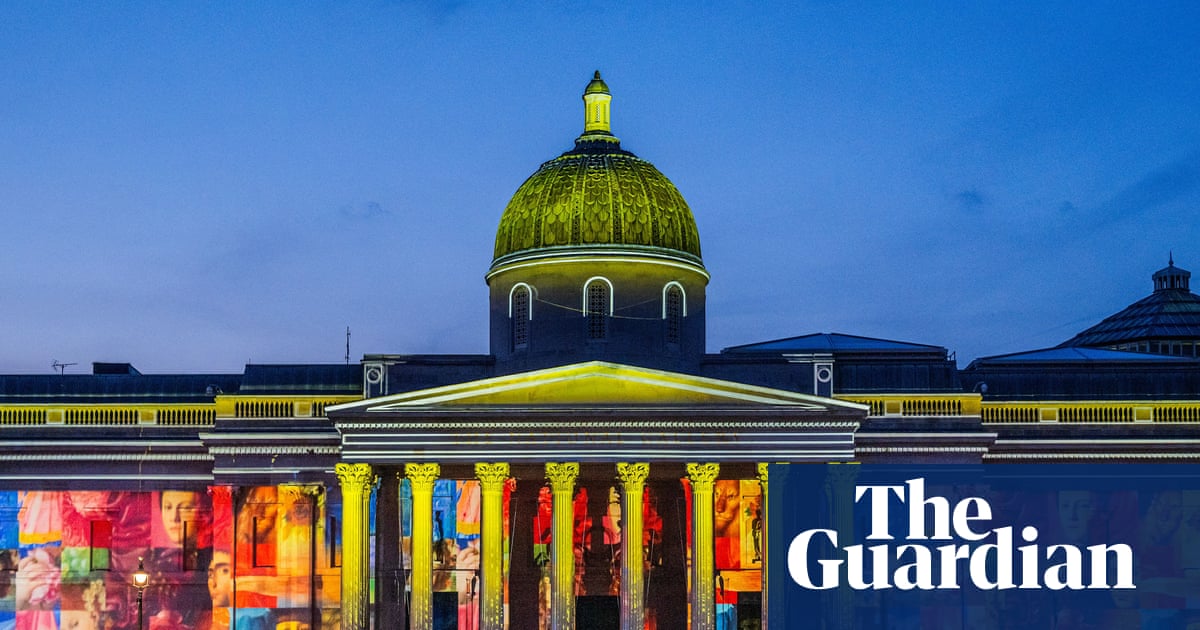
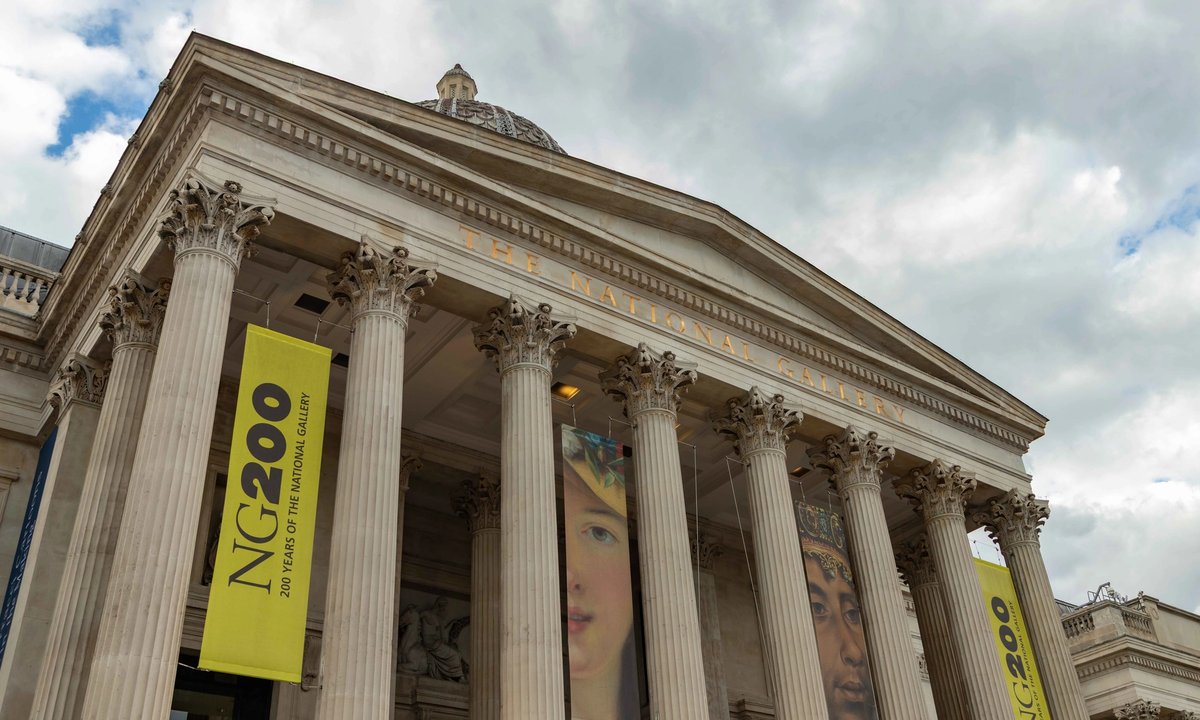
Traditional museum leadership models are failing under contemporary pressures, requiring a fundamental shift from centralized, individual authority to distributed, collaborative leadership structures.
Arts
fromThe Art Newspaper - International art news and events
2 months agoMuseum wall texts are an art in their own right-but will they survive the digital age?
Museums should balance providing contextual wall text and inviting wordless, personal interpretation to make art accessible and meaningful to diverse visitors.

fromThe Art Newspaper - International art news and events
2 months agoWhen it comes to restitution, how can museums solve a problem like inalienability?
When Thomas Jefferson wrote about the "inalienable" rights of man in the US Declaration of Independence 250 years ago, it's possible he lifted the term from the French. And long before it was ever used as an adjective to describe human rights, it defined royal property. To this day, "inalienability" remains a cornerstone of public collections in France-and many other countries-impacting museums and their ability to deaccession, including for purposes of restitution.
Arts
fromArtnet News
2 months agoHow the Met Opera Turned Beloved Murals Into Financial Tools | Artnet News
The Sources of Music and The Triumphs of Music are each 30 by 36 feet, and they look magnificent through the glass walls of the opera company's home, day and night. The pair have been appraised at $55 million by Sotheby's, according to Peter Gelb, the Met's general manager, who told the New York Times last week that the company may sell them, with the condition that the buyer "would have to agree to leave them in place, with a donation plaque."
Arts
[ Load more ]