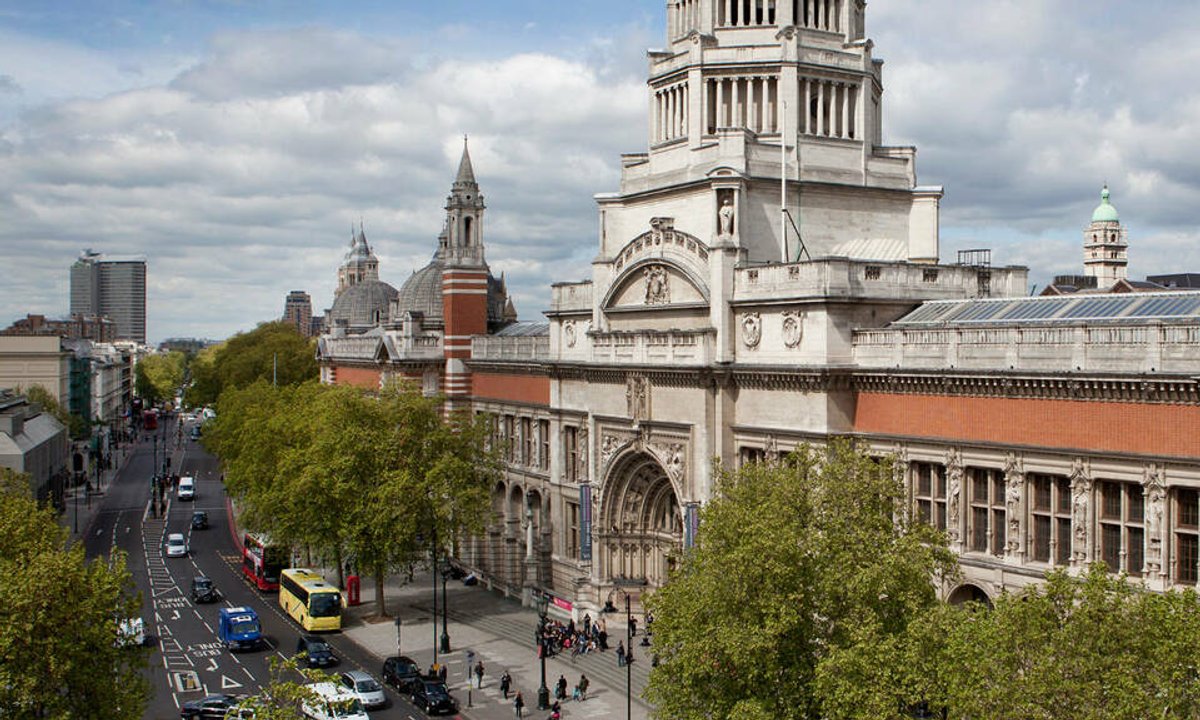
"Self-generated income sources are riskier and more susceptible to external factors, such as tourism costs like travel and accommodation, and exchange rates. 'Blockbuster' exhibition income is volatile and high risk, with membership revenue also becoming unstable due to high membership churn."
"Total expenditure by the 15 museums and galleries has increased by 18% in real terms from 2021‑22 to 2024-25, although it remained slightly lower than the annual pre-pandemic average. The increase since 2021-22 has been driven, in part, by higher staff costs following increases in staff pay and staff numbers after lay-offs during the pandemic."
"Cost-containment measures adopted by the institutions can only go so far in the face of dwindling government subsidies and external factors such as tourism costs."
A National Audit Office report examines the financial resilience of 15 state-funded UK museums and galleries, including the British Museum, Tate, and Victoria and Albert Museum. Government funding decreased 16% from 2021-22 to 2024-25, dropping to £484m in grant-in-aid. Museums struggle with volatile self-generated income sources affected by tourism costs, exchange rates, and blockbuster exhibition revenue. Operating expenses increased 18% in real terms since reopening, driven by higher staff costs following pandemic layoffs and increased maintenance and energy expenses. Cost-containment measures alone cannot address the financial pressures institutions face.
Read at The Art Newspaper - International art news and events
Unable to calculate read time
Collection
[
|
...
]