#moonquakes
#moonquakes
[ follow ]
#nasa #artemis-ii #space-exploration #moon-mission #moon-exploration #moon #artemis-2 #lunar-exploration







fromwww.scientificamerican.com
1 month agoNASA releases stunning new Saturn imagesand the gas giant has never looked so good
Hubble captured the planet's reflected visible light and highlighted Saturn's iconic yellow hues, which are, in part, a product of the sunlight-reflecting ammonia crystals and hydrocarbons such as methane in its atmosphere.
OMG science

Science
fromenglish.elpais.com
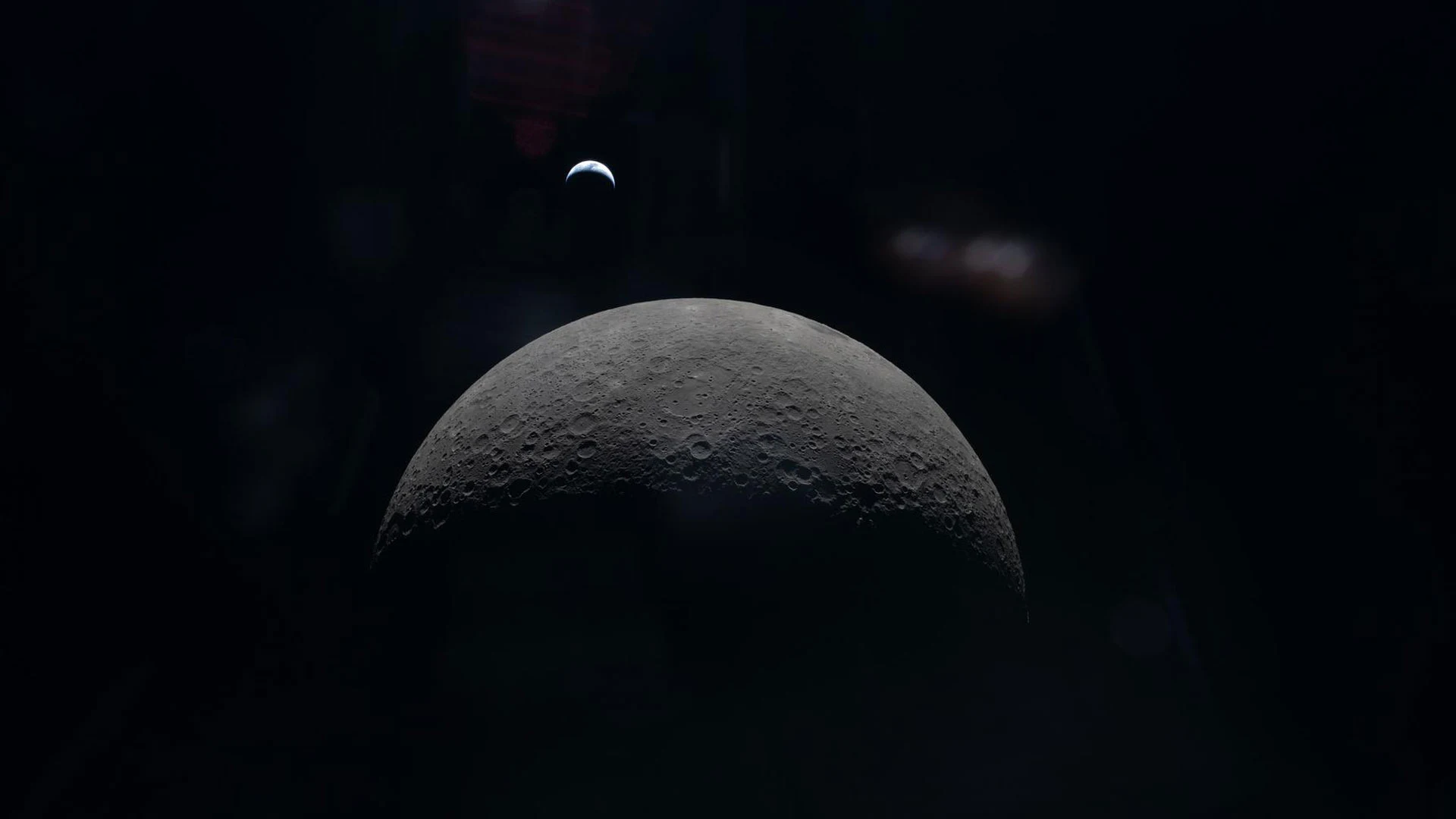
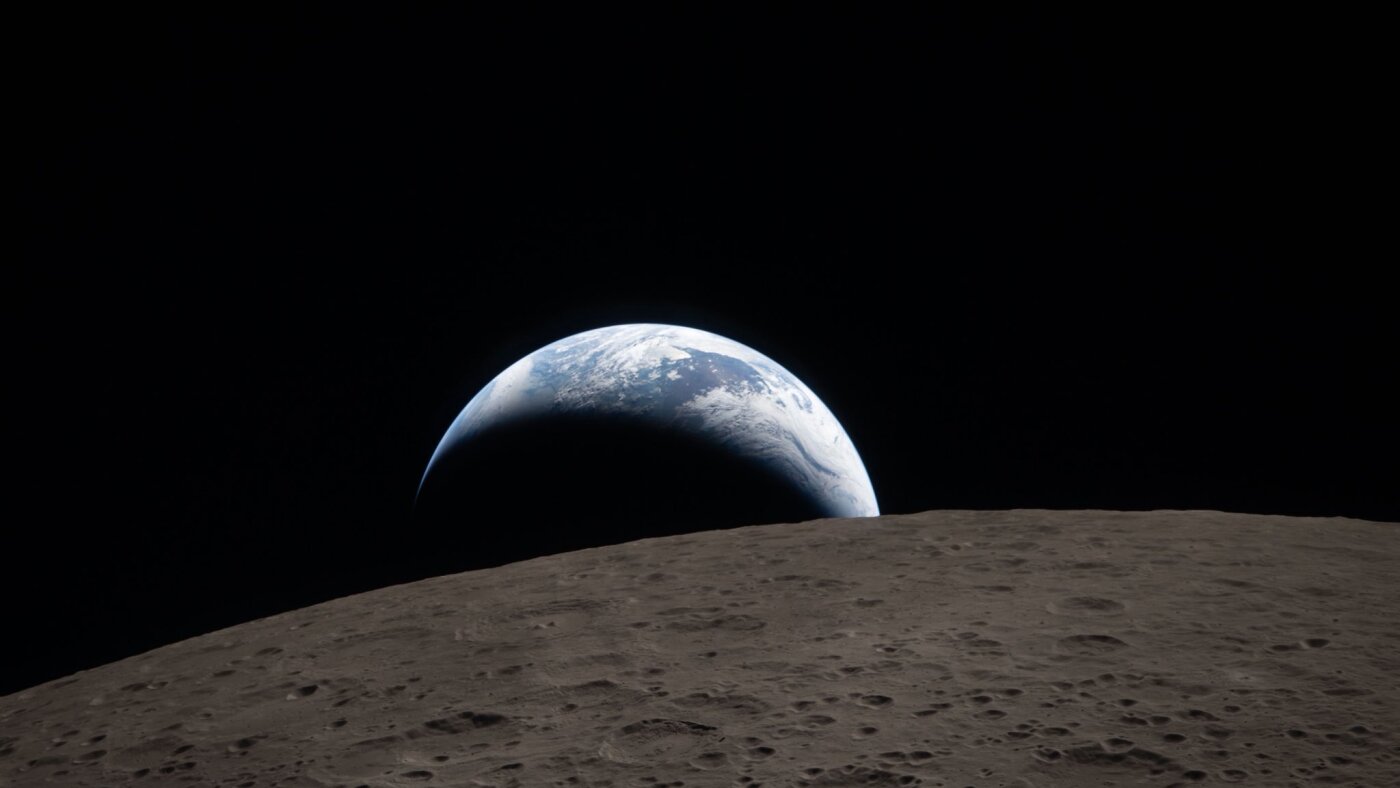
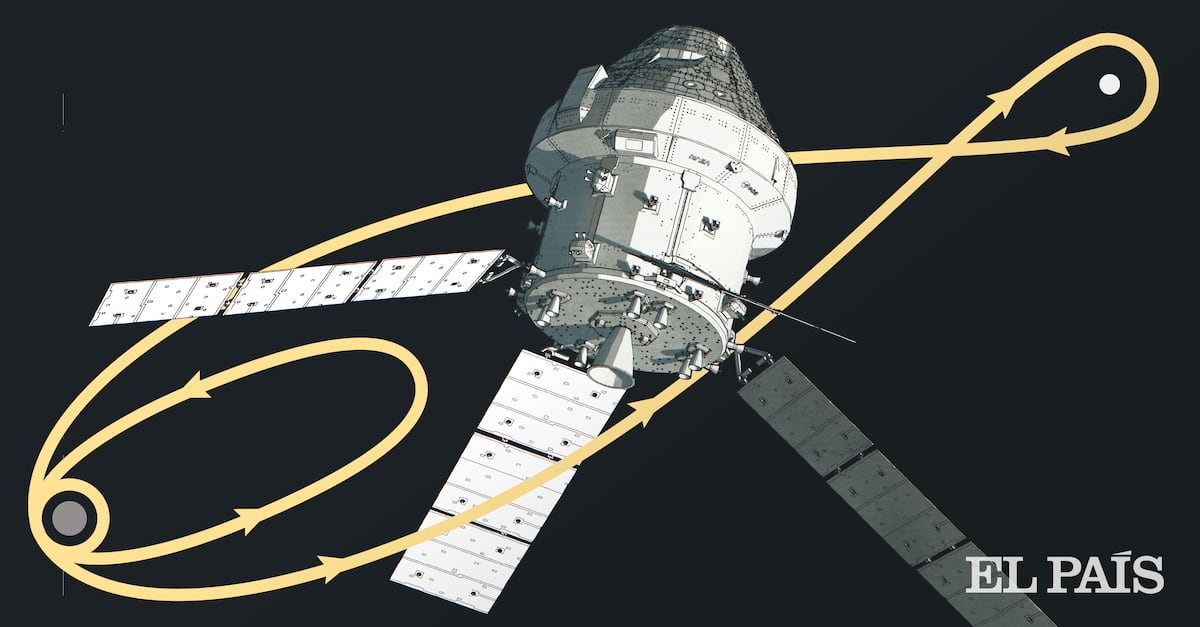
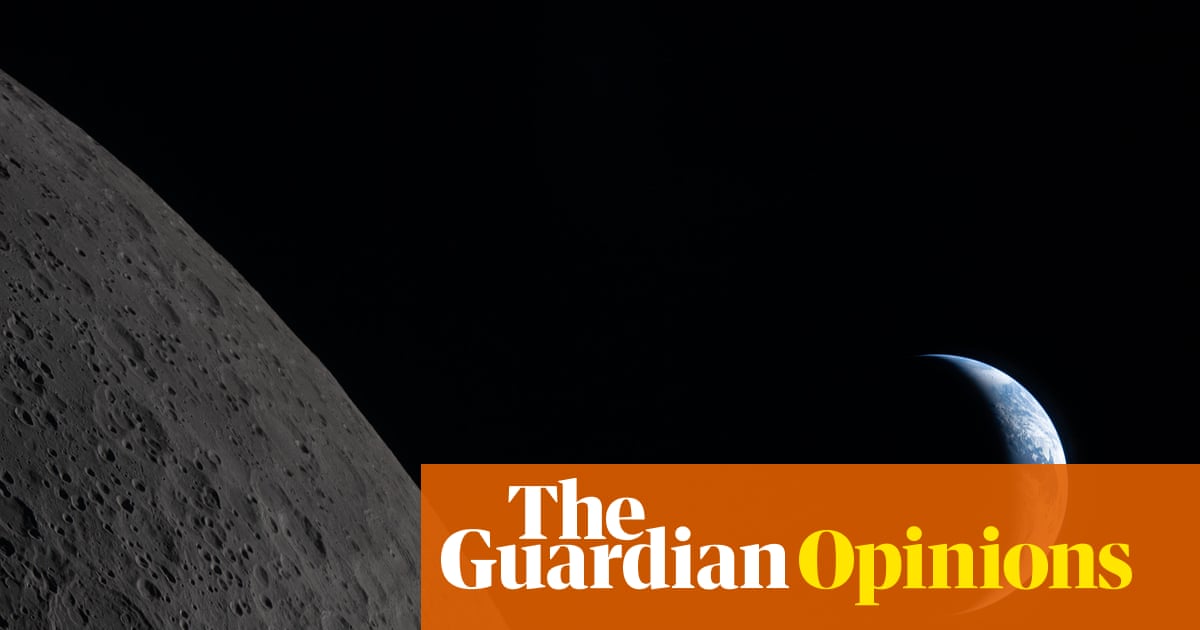
2 weeks agoArtemis 2 begins its return to Earth after exploring previously unseen areas of the far side of the Moon
Orion spacecraft lost contact with Earth during its mission, achieving significant milestones including record distance from Earth and witnessing a total solar eclipse.
OMG science
fromwww.theguardian.com
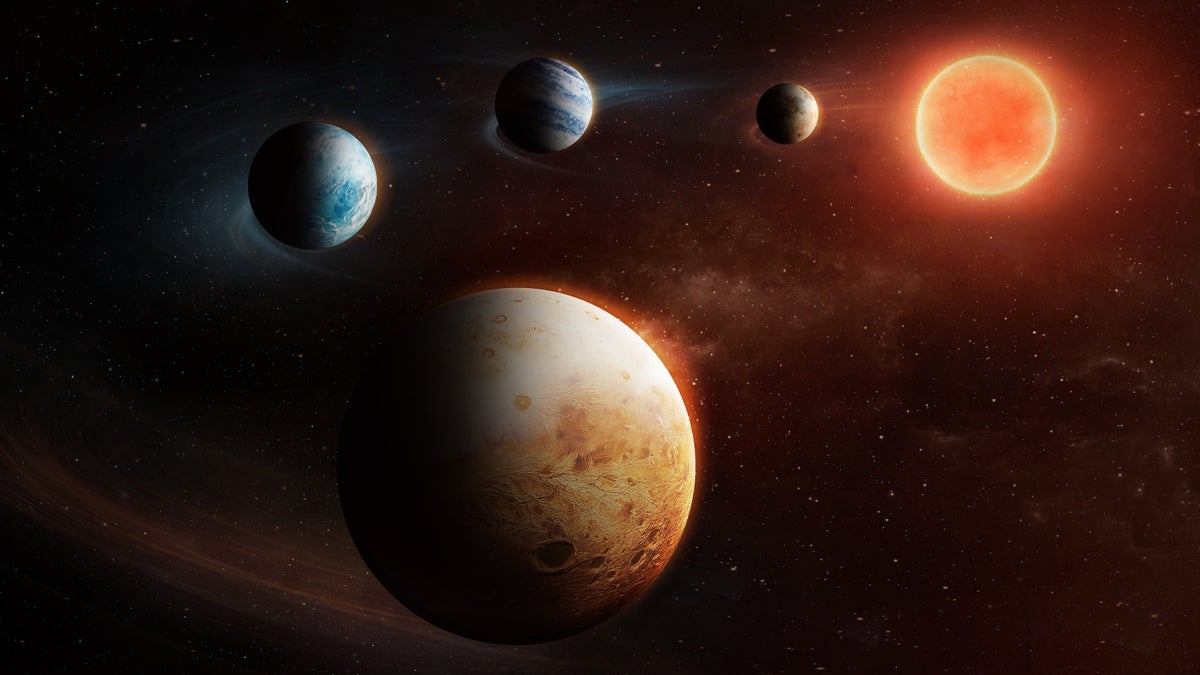
1 month agoA molten, mushy state': scientists may have found a new type of liquid planet
Astronomers discovered L98-59d, a molten lava planet 35 light years away that represents an entirely new category of liquid planet with surface temperatures of 1,900°C and a hydrogen sulfide atmosphere.
OMG science
fromFuturism
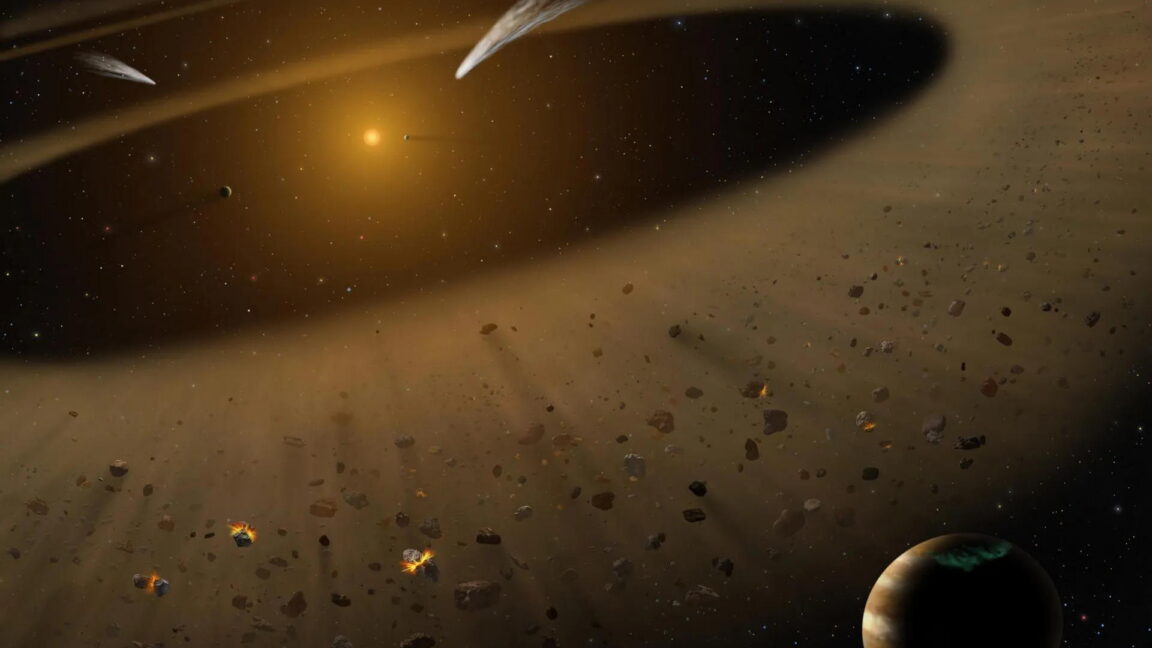
1 month agoScientists Spot Two Planets That Collided, Resulting in Carnage That Will Send Prickles Through Your Scalp
Astronomers detected a planetary collision around star Gaia20ehk through unusual brightness fluctuations and infrared signatures consistent with massive debris and extreme heat from impact.
fromwww.theguardian.com
3 weeks agoLunar prospectors: the businesses looking to mine the moon
In the silent vacuum of space, five autonomous robots churn through the lunar surface, digging up a loose layer of rock and dust and leaving rows of uniform tracks in their wake. Stopping only to recharge at a central solar power station, the car-sized machines process the lunar dirt internally to extract a type of helium so rare on Earth that a palm-sized container is estimated to be worth millions.
Science
Science
fromwww.scientificamerican.com
1 month agoHave astronomers found a runaway monster black hole or just a very weird galaxy?
Astronomers discovered RBH-1, a potentially runaway supermassive black hole traveling at over three million kilometers per hour, though ambiguous data makes its true nature uncertain.
Science
fromwww.scientificamerican.com
1 month agoThe universe's brightest supernovae are turbocharged by newborn magnetars
Superluminous supernovae are powered by newly formed magnetars—highly magnetized, rapidly spinning neutron stars that emit intense radiation, marking the first direct observation of a magnetar's birth.
fromTheregister
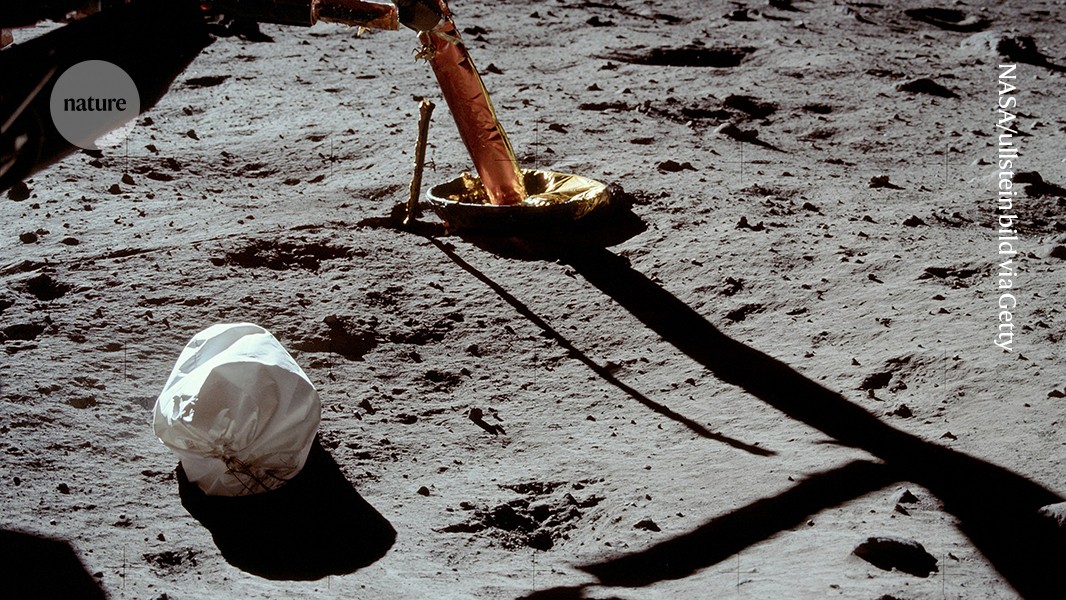
1 month agoMoon's mighty magnetic field was a 5,000-year titanium blip
Our new study suggests that the Apollo samples are biased to extremely rare events that lasted a few thousand years - but up to now, these have been interpreted as representing 0.5 billion years of lunar history. It now seems that a sampling bias prevented us from realizing how short and rare these strong magnetism events were.
Science


fromFuturism
2 months agoScientists Intrigued by Possible Hollow Structures Under Surface of Venus
Venus has long been known as Earth's evil twin. While they both are roughly the same size and formed in the same inner region of the solar system, Venus is far less hospitable to life as we know it. Its surface temperatures can reach over 900 degrees Fahrenheit. Its clouds are made of sulfuric acid, and its surface atmospheric pressure is almost 100 times that of Earth, the equivalent of being 3,000 underwater.
Science
fromwww.scientificamerican.com
2 months agoJupiter isn't as huge as we thought it was
The solar system's most giant planet is slightly less of a giant than scientists once thought. Jupiter, a world that is so huge that it could hold 1,000 Earths, is eight kilometers narrower in width at its equator and 24 kilometers flatter at its poles than had been previously estimated, according to a new study. Textbooks will need to be updated, said Yohai Kaspi, a professor at the Weizmann Institute of Science in Rehovot, Israel, and senior author of the study, in a statement.
Science
fromwww.scientificamerican.com
2 months agoThe sun just unleashed its most powerful solar flare in years
The sun is putting on a show. On Sunday the star unleashed several strong and bright solar flares, including one of the most powerful eruptions seen in decades. Far from the steadily glowing orb we sometimes picture, the sun's surface is made up of roiling plasma thrown about by twisting magnetic fields. When these fields snap, they can throw out huge bursts of energy and charged particles into spacea solar flare.
Science
[ Load more ]